


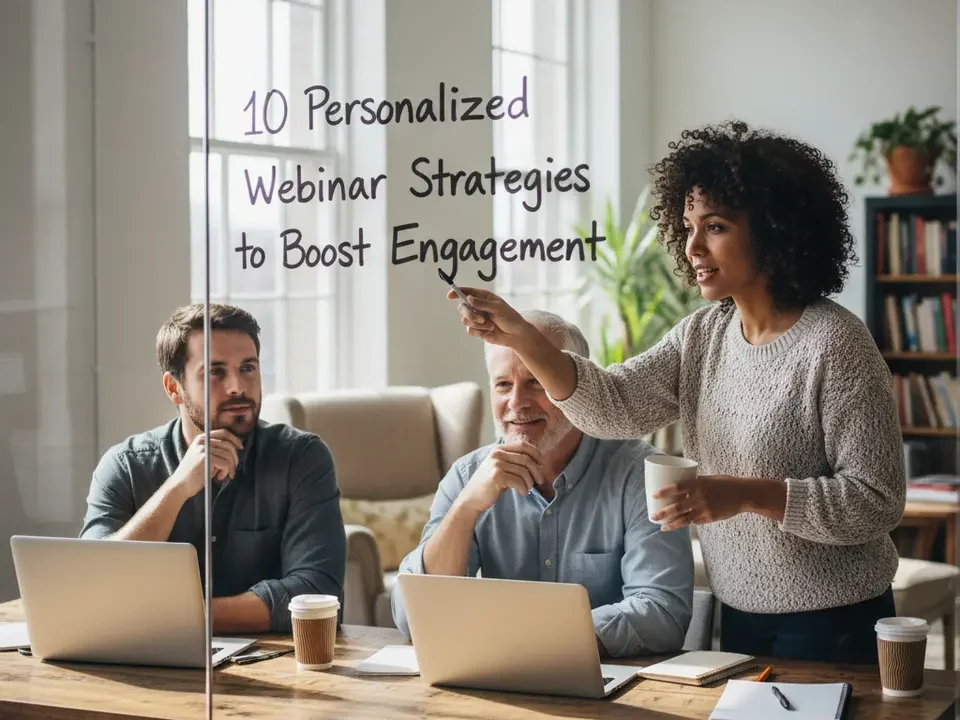
In today’s digital landscape, hosting a standout webinar isn’t just about delivering a generic presentation; it’s about cultivating a bespoke experience that resonates with each participant on a personal level. As more organizations embrace virtual events, competition for attention is fierce. That’s why personalized webinar strategies have become a cornerstone for marketers and educators who want to elevate engagement, foster genuine connections, and drive conversion rates upward. Currently, savvy hosts leverage data-driven insights to tailor messaging, format, and resources, ensuring each attendee feels seen and valued.
This year (2026), the emphasis on customization has never been stronger. According to a recent report from the Pew Research Center (pewresearch.org), 78% of professionals indicate they’re more likely to stay engaged when content directly addresses their specific challenges. Whether you’re organizing a product demo, a training session, or an industry panel, weaving in targeted touches—from dynamic invitations to adaptive follow-up materials—can transform passive viewers into active brand advocates.
In this article, we’ll explore five comprehensive sections on how to implement powerful personalized webinar strategies designed to boost interactivity and retention. From segmenting your audience to leveraging AI-driven recommendations, each approach aims to create meaningful moments that pay dividends long after the final slide. Ready to redefine your next virtual event? Let’s dive in.
Segmenting Your Audience for Tailored Content
One of the foundational personalized webinar strategies is audience segmentation. Rather than delivering one-size-fits-all content, divide registrants into groups based on industry, role, or specific pain points. For instance, if you’re hosting a marketing technology webinar, separate attendees into segments like email marketers, social media managers, and digital advertising specialists. By doing so, you can craft presentation slides, case studies, and examples that speak directly to each subgroup’s unique goals and hurdles.
To kick off segmentation, gather relevant data at registration. Include optional fields such as company size, primary objectives, or previous experience level. Tools like HubSpot or Salesforce can automate this data collection and sync information to your CRM. Once you’ve classified participants, design content variations for each segment:
- Custom Slide Decks: Swap out statistical examples, charts, or success stories that highlight results from comparable companies or sectors.
- Segment-Specific Resources: Offer downloadable whitepapers, checklists, or templates tailored to each group’s challenges, whether improving email open rates or optimizing paid search campaigns.
- Dedicated Q&A Blocks: Pre-allocate time for subtopic discussions, ensuring that email marketers can discuss deliverability best practices while social teams explore user-generated content tactics.
Segmenting in this manner not only increases relevance but also positions your webinar as a strategic resource rather than a generic overview. Participants feel recognized and are more inclined to participate in polls, engage in chat, and remain tuned in throughout the event.
Crafting Personalized Invitations and Reminders
![[object Object]](https://webinarmarketo.com/wp-content/uploads/2026/04/10-personalized-webinar-strategies-to-boost-engage-image-1.webp)
Your engagement journey begins long before you go live. For many, the first touchpoint is the invitation email. By infusing personalized webinar strategies into every outreach, you can boost registrations by up to 50%. Here are several tactics to consider:
- Dynamic Subject Lines: Use merge tags to include the recipient’s name or company. For example: “Jane, see how Acme Corp can skyrocket webinar attendance.” Personalization in the inbox dramatically improves open rates.
- Contextual Messaging: Reference past interactions, such as assets downloaded or previous webinars attended. The reminder might read: “Since you found our social media handbook useful, join us today for advanced engagement strategies.”
- Behavioral Triggers: Set up automatic follow-ups based on user behavior. If someone clicks the registration link but doesn’t complete the form, send a friendly nudge. If they register but don’t open confirmation emails, send calendar invites and SMS reminders where permissible.
Furthermore, incorporate compelling visuals and clear calls to action. A preview clip or animated GIF of a guest speaker can spike curiosity. Always include a calendar link that adds the event directly to Google Calendar or Outlook. This reduces friction and keeps your webinar top of mind amidst packed inboxes.
By treating invitations and reminders as an extension of your overall personalized webinar strategies, you reinforce the notion that this session is uniquely crafted for each individual. Engagement begins with relevance, and relevance starts with noticing your audience’s history and preferences.
Driving Interaction with Polls and Q&A
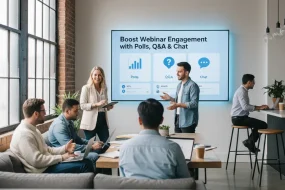
Engagement hinges on interactivity, and well-executed polls and Q&A sessions are critical components of effective personalized webinar strategies. When participants feel their voices matter, retention increases and the learning experience deepens. Follow these best practices to ensure polls and Q&A segments are both dynamic and personalized:
- Pre-Webinar Surveys: Before the live event, ask registrants to complete a brief survey about their top challenges or topics of interest. Use those responses to tailor poll questions during the webinar in real time.
- Segmented Polls: Deliver different poll options to subsets of your audience. If product managers respond differently than sales reps, show each group the most relevant multiple-choice questions to probe their priorities.
- Live Q&A Curation: Employ a dedicated moderator who selects questions based on participant profiles. Prioritize inquiries that align with attendee job functions or company size to maintain relevance.
In addition to live polling, consider integrating second-screen experiences. Platforms like Slido or Mentimeter allow attendees to vote or submit questions anonymously via their smartphones. Display results instantly on-screen, and weave insights into your narrative. This approach reinforces that attendee input directly shapes the discussion, boosting satisfaction and perceived value.
By embedding these interactive elements into your personalized webinar strategies, you transform a monologue into a dialogue. Participants feel empowered to contribute, fostering a collaborative learning environment that resonates long after the webinar concludes.
Leveraging Dynamic Content and AI Recommendations
![[object Object]](https://webinarmarketo.com/wp-content/uploads/2026/04/10-personalized-webinar-strategies-to-boost-engage-image-2.webp)
Advancements in webinar technology now enable hosts to deploy dynamic content overlays and AI-driven suggestions, further amplifying personalized webinar strategies. Rather than presenting static slides to a broad audience, you can serve real-time updates, context-sensitive prompts, and machine-learning recommendations that adapt to attendee behavior.
Here are key tactics for deploying dynamic content and AI:
- On-Screen Name and Company Banners: Greet each viewer with a subtle overlay that displays their name or organization. This personal touch, though simple, fosters a sense of individual recognition.
- Adaptive Slide Sequencing: Use AI to monitor engagement signals—such as bounce rates on specific slides or which segments attendees linger on—and automatically adjust the slide order mid-webinar to dive deeper into the topics generating the most interest.
- Contextual Resource Tips: Implement overlays that recommend whitepapers, case studies, or blog articles based on poll responses or chat keywords. For example, if you detect mentions of “lead scoring,” prompt a link to a detailed guide hosted on the NIH website (nih.gov).
Integrating AI not only streamlines personalization but also provides invaluable data for post-event analysis. You can identify which resources sparked the most engagement, which topics warranted additional depth, and how to better align future webinars with attendee preferences.
As part of your broader personalized webinar strategies, dynamic content and AI capabilities ensure that each participant receives a tailored journey. These real-time adjustments elevate the attendee experience and position your brand as an innovator in virtual event delivery.
Optimizing Follow-Up and Continuous Improvement
The final—yet most enduring—phase of personalized webinar strategies is thoughtful, individualized follow-up. A one-size-fits-all “thank you” email falls short of reinforcing the personalized experience you curated. Instead, aim to deliver targeted resources, next steps, and feedback channels that sustain momentum and guide prospects toward conversion.
- Segmented Recordings: Distribute edited webinar recordings that emphasize the examples, case studies, or product features each subgroup found most compelling. For instance, manufacturing attendees see a version spotlighting industry-specific applications, while financial services viewers receive content tailored to compliance challenges.
- Custom Resource Bundles: Compile packs of eBooks, templates, and supplementary videos aligned with the topics participants engaged with during polls or Q&A. Provide direct links in personalized emails, ensuring recipients can easily access the materials they requested.
- Personalized Next Steps: Offer calendar booking links for one-on-one consultations that reference each individual’s expressed needs. A message might read: “I’d love to discuss how our solution can streamline your lead scoring process—click here to schedule a 15-minute call.”
To complete the optimization cycle, gather feedback through post-webinar surveys. Ask attendees to rank what they enjoyed, where they saw gaps, and what topics they’d like to explore further. Use A/B testing on follow-up subject lines, content bundles, and call-to-action phrasing to determine which approaches drive the highest click-through and conversion rates.
By institutionalizing this feedback loop, you ensure that your personalized webinar strategies evolve with audience needs. Continuous refinement boosts engagement, strengthens credibility, and maximizes return on investment for every virtual event you host.
Frequently Asked Questions
What are personalized webinar strategies?
Personalized webinar strategies involve tailoring content and interactions to individual attendees’ roles, interests, and challenges, using data-driven insights to create a more engaging and relevant experience.
How can I segment my webinar audience effectively?
Collect registrant data during sign-up, like job role or pain points, then group attendees into cohorts. Design slide decks, polls, and resources specifically for each group to enhance relevance and engagement.
What tools support webinar personalization?
Platforms like HubSpot, Salesforce, Slido, and Mentimeter offer segmentation, behavioral triggers, and interactive polling, while AI-powered webinar solutions can deliver dynamic content and real-time recommendations.
Conclusion
Crafting memorable virtual events today demands more than polished slides and compelling speakers; it requires a deliberate commitment to personalized webinar strategies at every touchpoint. By segmenting your audience, tailoring invitations, driving interactive polls and Q&A, leveraging dynamic content and AI, and optimizing follow-up outreach, you create a seamless journey that resonates with each attendee’s unique priorities. In this year (2026), organizations that master these techniques will stand out in a crowded marketplace, forging deeper connections, higher satisfaction rates, and measurable business outcomes.
Ready to elevate your next webinar? Start by mapping your audience segments and crafting an invitation that speaks directly to their needs. Then, layer in interactivity, dynamic personalization, and thoughtful follow-up to sustain the momentum. With these approaches, your webinars will no longer be generic presentations—they’ll be bespoke experiences that drive real engagement and lasting impact.


Josh Lemon, Content Strategy Consultant, has extensive experience in creating compelling webinar content that resonates with audiences. Skilled in storytelling, SEO, and audience insights, Riley helps brands deliver webinars that educate, engage, and convert effectively.





No Comments