



In today’s digital landscape, delivering memorable online experiences is more important than ever. Whether you are educating new hires, showcasing products, or driving lead generation, interactive webinar engagement has emerged as a cornerstone of effective virtual communication. Unlike passive broadcasts, interactive webinars invite attendees to participate actively, transforming viewers into collaborators and boosting information retention. This shift from one-way delivery to a dynamic conversation resonates with audiences who expect real-time feedback and personalized moments.
Currently, businesses and educational institutions alike leverage webinars for a range of objectives, from cultivating thought leadership to nurturing customer loyalty. Recent data suggests that engaged participants are more likely to convert into paying customers or dedicated advocates. By weaving in polls, Q&A segments, breakout discussions, and live chat, presenters can cultivate an immersive environment that holds attention and inspires action. This year (2026), as virtual events continue to dominate professional and academic calendars, refining your approach to interactive webinar engagement is a strategic priority.
In this article, we explore five critical areas for enhancing audience involvement in your webinars. We will examine proven tools, content design best practices, innovative interaction strategies, and measurement techniques that will help you optimize every session. By the end of this discussion, you will have a comprehensive roadmap for creating webinars that not only inform but also engage participants in meaningful ways. Let’s embark on this journey to elevate your online events and unlock the full potential of interactive webinar engagement.
Why Active Participation Transforms Webinar Outcomes
Engagement plays a pivotal role in shaping how attendees perceive and retain webinar content. When participants contribute through polls, chats, or Q&A features, they form a personal connection with the material and the presenter. This phenomenon is supported by research from institutions like Stanford University demonstrating that active learning can double retention rates compared to passive listening. Interactive webinar engagement leverages this principle by embedding opportunities for real-time feedback and decision-making throughout the session.
By integrating branded polls or scenario-based surveys at key intervals, you give attendees a voice in the narrative. This sense of authorship fosters loyalty and encourages them to stay until the end. Data from the National Institute of Standards and Technology highlights that sessions with frequent interactive checkpoints see up to a 70 percent reduction in drop-off rates. Moreover, when participants see their feedback directly influence content flow, they develop a sense of community and investment in your brand’s mission.
As webinar production budgets and expectations rise, stakeholders demand clear evidence of ROI. Metrics such as average viewing time, poll response rate, and chat volume serve as tangible indicators of success. When you emphasize interactive webinar engagement, you not only create memorable experiences but also generate actionable data that can be used to refine future presentations. Engaged audiences are statistically more likely to take desired actions—completing forms, downloading resources, or scheduling follow-up calls—thereby amplifying your marketing and training efforts.
Ultimately, fostering participation is not a gimmick but a strategic imperative. It aligns your virtual gatherings with modern learning principles and consumer expectations, ensuring that every attendee leaves with value and a clear next step. In the next section, we will explore the top platforms and tools that simplify implementation so you can focus on crafting compelling content and driving meaningful interactions.
Choosing the Right Platforms and Features
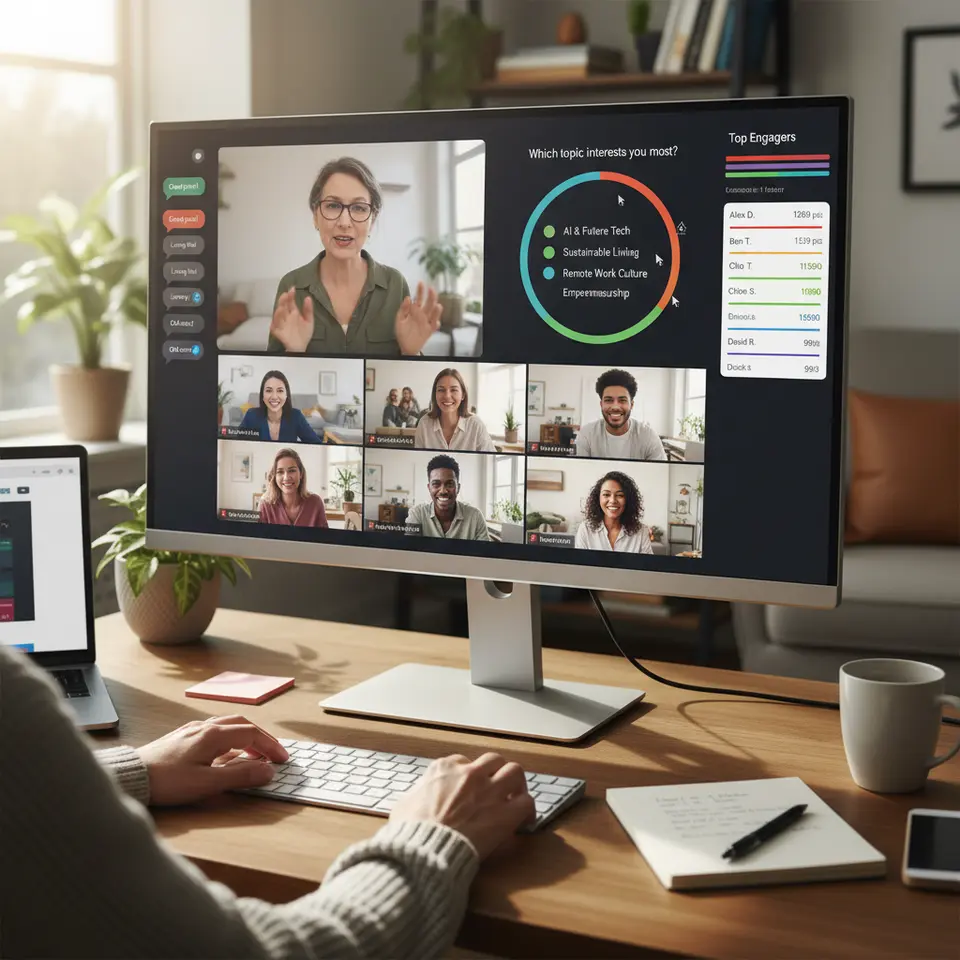
Selecting the optimal webinar platform lays the foundation for seamless interactive webcast delivery. With a myriad of options available, understanding core feature sets can guide you toward the best choice for your objectives. Platforms such as Zoom, Webex, and GoToWebinar offer robust native tools including live polling, breakout rooms, and integrated Q&A modules. Meanwhile, specialized solutions like Mentimeter and Hopin elevate interactivity with customizable word clouds, gamified leaderboards, and virtual expo booths.
When comparing solutions, consider these criteria: audience capacity, feature scalability, branding flexibility, and analytics depth. If you host large-scale events with thousands of registrants, a platform that supports parallel sessions and automated follow-ups will be essential. For smaller training workshops, advanced features like digital whiteboarding or simultaneous language interpretation can enhance comprehension and accessibility. Ensure that your chosen solution integrates with CRM or marketing automation systems to consolidate engagement data and facilitate personalized follow-ups.
Another key consideration is user experience for both presenters and attendees. Platforms with a clean interface and mobile-friendly design reduce friction and technical hurdles, leading to higher participation rates. Look for options that enable one-click joining and seamless transitions between content sharing, polls, and breakout discussions. Additionally, evaluate the strength of security measures, including end-to-end encryption and compliance certifications if you handle sensitive information.
Finally, leverage free trials and vendor demos to test real-world scenarios. Work with internal stakeholders to map out desired engagement workflows—such as a mid-event survey followed by a group exercise in breakout rooms—and verify that the platform supports these sequences without glitches. By thoroughly vetting your tools, you set the stage for dynamic sessions where interactive webinar engagement becomes second nature rather than an afterthought.
Strategies to Stimulate Audience Interaction
With your platform in place, the next step is to design interaction techniques that resonate with your attendees. Thoughtful planning transforms passive viewers into active collaborators, ultimately reinforcing key messages and driving desired outcomes. One effective approach is to initiate the session with an icebreaker poll, encouraging participants to share preferences or pain points. This immediate invocation of interactive webinar engagement captures attention and tailors your content to their interests.
Throughout the event, alternate between content delivery and engagement moments. For example, after presenting a concept for five minutes, launch a quick survey or prompt for chat feedback. This rhythm prevents cognitive overload and keeps participants mentally invested. Incorporate breakout rooms to facilitate small-group discussions or peer-to-peer networking. Assign clear discussion prompts and designate facilitators to guide conversation, then reconvene in the main room for a debrief that ties insights back to your core narrative.
Integrating gamification elements can further boost participation. Leaderboards, badges, or point systems reward attendees for contributions—whether answering trivia questions, submitting questions to panelists, or completing post-event quizzes. Acknowledge top contributors in real time to foster a sense of achievement and encourage friendly competition. Additionally, offer tangible incentives such as downloadable resources or discount codes exclusively for active participants.
Another advanced tactic is to embed interactive content directly within your presentation. Use clickable infographics or live annotation tools to let attendees mark up diagrams collaboratively. This approach is particularly impactful in training sessions or product demos where hands-on involvement accelerates learning. By combining purposeful interaction with your educational goals, you create a dynamic environment that distinguishes your webinars in a crowded market.
Designing Content for Maximum Impact
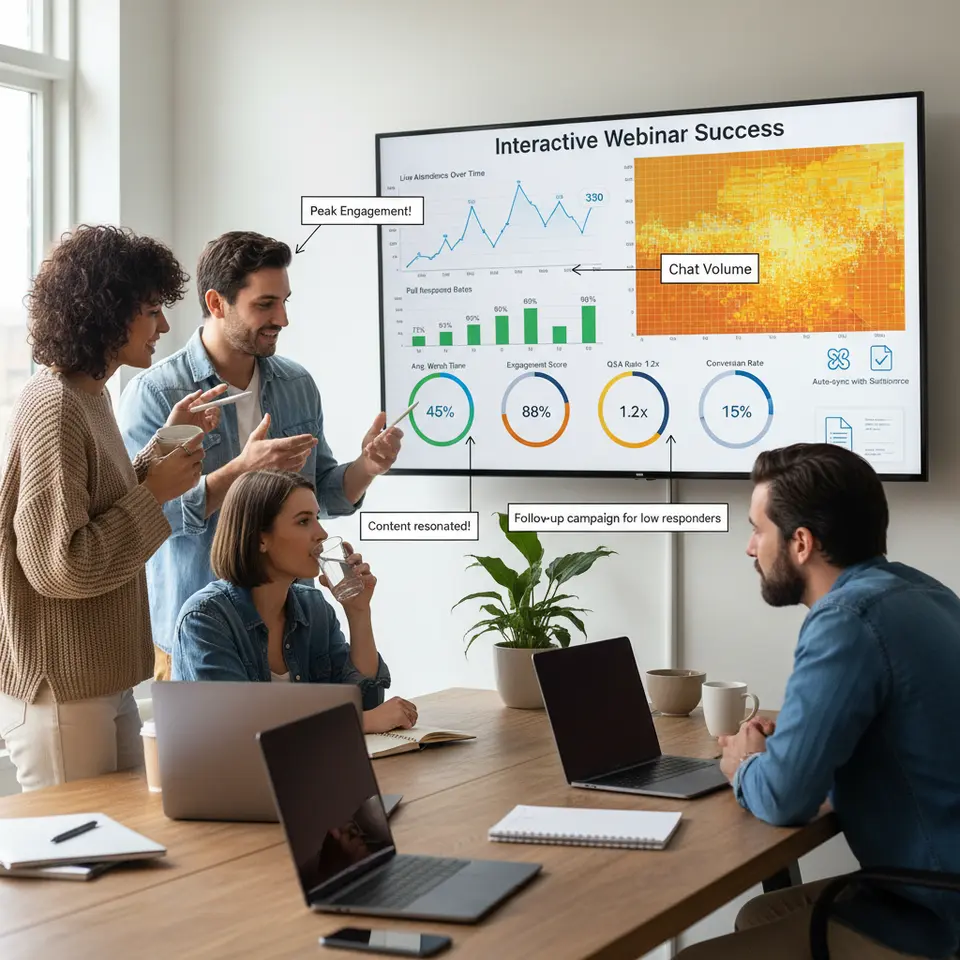
Compelling content lies at the heart of any successful webinar. When paired with interactive webinar engagement, well-structured material ensures that each segment feels purposeful and memorable. Begin by outlining a clear storyline, defining objectives, and mapping key takeaways. Break your presentation into concise modules—ideally five to seven minutes each—followed by an engagement activity that reinforces learning and maintains momentum.
High-quality visuals and multimedia elements enhance comprehension and break the monotony of slides. Incorporate short video clips, infographics, and animations that illustrate complex ideas in digestible formats. Ensure your visuals adhere to accessibility best practices by including alt text and choosing color palettes with sufficient contrast. When appropriate, introduce live demonstrations or product walkthroughs to showcase practical applications in real time.
Storytelling is another powerful tool—share real-world case studies, testimonials, or anecdotes that humanize your subject matter. Contextual examples foster emotional connections and drive home the relevance of your solutions. For instance, spotlight a customer success story where interactive webinar engagement drastically improved training retention and conversion rates. Such narratives not only engage but also lend credibility to your brand.
Finally, preview upcoming engagement cues throughout the session to build anticipation. Phrases like “Stay tuned for our next poll” or “We’ll split into breakout rooms shortly” prepare attendees mentally and reduce drop-off when activities unfold. This forewarning, combined with smooth transitions, preserves flow and signals that each interaction aligns with broader learning objectives. Well-crafted content, when harmonized with strategic engagement tactics, results in webinars that educate, inspire, and convert.
Measuring Success and Refining Your Approach
Measuring interactive webinar engagement is essential for validating your investment and guiding continuous improvement. Begin by defining key performance indicators aligned to your goals: registration numbers, attendance rate, average watch time, poll participation, chat volume, and question submissions. By comparing metrics across sessions, you can identify trends and pinpoint high-impact elements.
Post-webinar surveys offer direct attendee feedback on content relevance, pacing, and platform usability. Use structured questionnaires combined with open-ended questions to gather qualitative insights. Integrating webinar analytics with your CRM or marketing automation platform allows for segmentation of leads based on engagement behavior. For instance, attendees who responded to polls and asked multiple questions can be flagged for priority follow-ups.
To contextualize your performance, benchmark against industry standards found in reports from leading research institutions. Referencing resources like the Pew Research Center can help you gauge how your participation rates compare with broader digital learning trends. Additionally, government or university studies may provide useful guidelines on optimal session length, engagement frequency, and multimedia usage.
Armed with data, iterate on your webinar structure. If attendance drops at specific time intervals, consider adjusting segment durations or enriching content with more interactive checkpoints. Should poll response rates lag, experiment with question formats or incentivize participation. Over time, this data-driven refinement solidifies your expertise in delivering engaging sessions and ensures that interactive webinar engagement remains at the forefront of your virtual events strategy.
FAQ
Q: What is the ideal frequency for polls during a 60-minute webinar?
A: Aim for a poll every 10–15 minutes to maintain engagement without disrupting the flow. This cadence balances content delivery with interactive checkpoints.
Q: How can I encourage attendees to stay until the end?
A: Offer incentives such as exclusive resources, discount codes, or access to a bonus Q&A session. Preview these rewards at the start to build anticipation.
Q: Which metrics matter most for demonstrating ROI?
A: Track attendance rate, average watch time, poll participation, chat volume, and post-event conversions. Correlate these with downstream actions like form submissions and sales follow-ups.
Conclusion
As webinars continue to define professional communication this year (2026), mastering interactive webinar engagement is a crucial differentiator. By choosing the right platforms, crafting dynamic content, deploying strategic interaction techniques, and measuring results diligently, you unlock the full potential of your virtual events. Engaged participants are more likely to recall your message, advocate for your brand, and complete desired actions—transforming webinars from passive presentations into powerful growth engines.
Embrace a continuous improvement mindset: test new features, solicit attendee feedback, and refine your approach based on data. With every session, your ability to foster authentic connections and drive measurable outcomes will grow stronger. Now is the time to elevate your webinar experiences and set a new standard for engagement in today’s digital landscape. Implement these strategies in your next event and witness the transformative impact of genuine interactivity.


Jordan Ellis, Webinar Marketing Specialist, has over 10 years of experience designing and executing high-performing webinar campaigns. With a background in digital marketing and audience engagement, Jordan focuses on strategies that increase registrations, boost participation, and drive conversions.














No Comments