


Introduction
In today’s digital landscape, webinar marketing has emerged as a cornerstone tactic for brands aiming to generate qualified leads, reinforce authority, and accelerate revenue growth. As organizations shift resources toward online engagement, webinars provide an interactive forum that blends educational content with real-time conversation. This year (2026), savvy marketers currently invest in webinars not merely as presentation tools but as strategic engines for customer acquisition and retention.
With competition for attention at an all-time high, crafting an effective webinar marketing strategy involves more than setting a date and sending invites. It requires a clear roadmap: defining precise objectives, understanding your audience’s pain points, and integrating a promotion plan that leverages both organic and paid channels. From selecting the right technology platform to designing a conversion-focused landing page, every element plays a pivotal role in maximizing attendance and engagement.
In this comprehensive guide, we will delve into each stage of the webinar process. You’ll learn how to establish measurable goals, develop compelling topics, prepare technically flawless events, drive sign-ups through multi-channel outreach, and foster active participation during the live session. Whether you’re new to webinar marketing or looking to refine your approach, the actionable insights and best practices shared here will set you on the path to hosting high-impact online events that deliver tangible results.
Setting Clear Objectives and Identifying Your Audience

Defining Measurable Goals
Before diving into any tactical planning, outline what success looks like for your webinar marketing initiative. Are you seeking to educate existing customers, introduce a new product line, or generate SQLs (Sales Qualified Leads)? By assigning quantifiable targets—such as 500 registrations, a 40% attendance rate, or 100 demo requests—you create guardrails that inform every subsequent decision. Document these KPIs in your marketing dashboard and revisit them regularly to ensure you stay on course.
Profiling Your Ideal Participants
Understanding whom you want in your virtual audience is equally critical. Start by analyzing your CRM data to uncover demographic trends and behavioral patterns among high-value customers. Supplement this with direct feedback via surveys, interviews, or social listening platforms. Platforms like Pew Research Center (https://www.pewresearch.org/) offer valuable insights into webinar consumption behaviors across industries, enabling you to fine-tune your approach. Armed with this knowledge, craft detailed buyer personas that include job titles, challenges, and preferred learning formats.
Aligning Content with Audience Needs
Once goals and personas are established, map your webinar topic to the issues your prospects face. If you’re a B2B SaaS provider aiming to reduce churn, consider focusing on advanced usage scenarios or process automation. This alignment ensures your content resonates deeply and moves attendees closer to conversion. In today’s crowded webinar space, relevance not only drives registrations but also cultivates long-term trust.
Developing an Engaging Topic and SEO-Friendly Title
Researching Audience Pain Points
In webinar marketing, topic selection can make or break your event’s performance. Begin by examining frequently asked questions sourced from customer support, sales calls, and keyword research tools such as Google’s Keyword Planner. Consider industry forums, Reddit threads, and LinkedIn groups to uncover trending discussions. This form of social listening helps you tap into genuine concerns and positions your webinar as a solution-driven resource.
Validating Demand with Quick Polls
Before locking in your theme, test demand through short email polls or social media surveys. A rapid vote on three potential topics will not only confirm interest but also engage your community early on. Platforms like Twitter and LinkedIn Polls are ideal for this step. When your audience participates in shaping the webinar agenda, they feel a sense of ownership—boosting both registration and attendance.
Crafting an SEO-Optimized Headline
Your webinar title must strike a balance between search visibility and benefit-driven messaging. Incorporate your primary focus keyword, “webinar marketing,” while promising a clear outcome—such as “Master Webinar Marketing Tactics to Drive 30% More Leads.” This structure aligns with search intent and encourages clicks. Keep the headline under 70 characters to ensure full visibility on search engine results pages (SERPs).
Leveraging Subtitles and Descriptions
Accompany your main title with a concise subtitle that elaborates on key takeaways. In your landing page metadata, include a 150-character description embedding your focus keyword. This approach not only enhances SEO but also improves clarity for potential attendees scanning multiple listings.
Selecting the Ideal Platform and Technical Preparation

Evaluating Feature Sets
Not every webinar platform offers the same capabilities. When comparing solutions like Zoom Webinar, GoToWebinar, and Demio, review factors such as maximum attendee capacity, branding customization, interactive features (polls, Q&A, chat), and recording quality. If your aim is to collect detailed attendee analytics, ensure the vendor integrates smoothly with your CRM or email marketing system.
Considering Budget and Scalability
Costs can escalate quickly when you exceed attendee limits or require advanced support. Start with a platform that aligns with your current needs while offering room to grow. Many providers offer tiered pricing that scales with usage, making it possible to upgrade as your webinar marketing program gains traction.
Conducting Dry Runs and Technical Rehearsals
Technical hiccups are perhaps the quickest way to lose credibility. Schedule at least two rehearsal sessions—one for hosts and another that includes external participants acting as test attendees. Check audio clarity, webcam framing, bandwidth requirements, and screen-sharing transitions. Record these practice runs to identify latency issues or unexpected pop-ups. If possible, host a private pilot webinar with a small, trusted audience to simulate real-world conditions.
Creating a Troubleshooting Plan
Develop a simple guide that outlines common technical problems and their remedies. Distribute this to your team and encourage attendees to test their systems before joining. This proactive communication minimizes frustration and drop-offs, ensuring a smoother live experience.
Executing a Multi-Channel Promotion Strategy and Landing Page Design
Crafting an Email Nurture Sequence
Email remains one of the highest-ROI channels for webinar promotion. Develop a series of four to six emails that build anticipation, highlight key benefits, and share speaker credentials. Segment your database according to engagement levels and tailor subject lines to different buyer personas. According to research from the Centers for Disease Control and Prevention (https://www.cdc.gov/), personalized email communications often see up to a 29% higher open rate, underscoring the importance of relevance.
Leveraging Paid Social and Remarketing Ads
To extend your reach beyond existing contacts, deploy targeted ads on LinkedIn, Facebook, and Instagram. Use lookalike audiences based on your customer list and craft ad creatives that include a clear hook, such as “Unlock Webinar Marketing Secrets From Industry Experts.” Implement remarketing campaigns to capture visitors who viewed your landing page but didn’t register.
Partnering with Influencers and Affiliated Networks
Co-hosting a webinar with an industry association, academic institution, or influencer can significantly boost credibility and expand audience reach. Establish affiliate agreements or revenue-sharing models to incentivize promotion. When a respected third party endorses your event, the perceived value increases—resulting in higher conversion rates.
Designing a Conversion-Focused Landing Page
Your registration page should highlight a bold headline and concise bullet points outlining what attendees will learn. Limit form fields to essential data—name, email, and company. Incorporate trust indicators, such as speaker bios with professional headshots, company logos of past attendees, and social proof statistics (“Join 2,000+ marketers who improved conversions by 25%”). Add a countdown timer to invoke urgency and remind prospects of limited availability.
Hosting with Impact: Engagement, Interaction, and Calls-to-Action
Structuring an Interactive Agenda
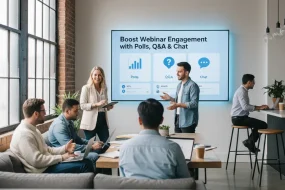
A successful webinar marketing event hinges on audience participation. Break your presentation into short segments—10 to 12 minutes each—interspersed with polls, quick surveys, or live Q&A sessions. This pacing keeps participants actively involved and reduces drop-off. Use the polling feature to ask opinion-based questions or test knowledge, then share real-time results to foster discussion.
Incorporating Storytelling and Case Studies
Narratives resonate more powerfully than bullet-point lists. Infuse your webinar content with customer success stories or case studies that illustrate tangible outcomes. Visuals like before-and-after metrics reinforce credibility and help attendees envision similar results for their own organizations. When possible, invite a guest speaker—a satisfied client or partner—to share their firsthand experience.
Delivering a Compelling Call-to-Action
As you approach the closing segment, shift from education to action. Your call-to-action should be clear, concise, and time-sensitive—such as a limited-time discount on a premium plan or an exclusive one-on-one consultation. Display this CTA on a dedicated slide, mention it verbally, and post the link in the chat window. Follow up immediately after the webinar with a confirmation email reiterating the offer and providing direct access to next steps.
Gathering Feedback and Next Steps
After the live event, deploy a short survey capturing attendee satisfaction and topic relevance. This feedback informs future webinar marketing efforts and helps identify potential content gaps. Segment respondents by their feedback and engagement level to tailor your subsequent nurture campaigns—whether that’s an advanced training series, a case study download, or an invitation to another upcoming event.
Frequently Asked Questions
How do I define measurable goals for my webinar?
Start by outlining clear objectives, such as registration targets, attendance rates, or demo requests, and track these KPIs through your marketing dashboard to measure success.
What factors should I consider when choosing a webinar platform?
Evaluate features like attendee capacity, branding customization, interactive tools (polls, Q&A), recording quality, and CRM integrations, while also considering budget and scalability.
How can I foster engagement during the live session?
Break your presentation into short segments with polls, surveys, and live Q&A, incorporate storytelling and case studies, and deliver a compelling call-to-action to keep attendees actively involved.
Conclusion
Webinar marketing, when executed with strategic precision, can be a game-changer for lead generation, brand authority, and revenue acceleration. By defining clear objectives, understanding your audience’s needs, and creating content that educates and inspires, you set the stage for successful online events. Selecting the right platform and conducting thorough technical rehearsals ensures a seamless attendee experience. A multi-channel promotion plan—combining email nurture sequences, paid ads, and partnerships—maximizes registration. During the live event, interactive elements and compelling storytelling sustain engagement, while a sharp call-to-action drives conversions.
In today’s competitive environment, consistency and continuous improvement are key. Analyze your performance metrics, gather audience feedback, and iterate on your approach. With each webinar, you’ll refine your webinar marketing engine, boost attendance, and deepen connections with your target market. Start planning your next event today and harness the power of webinars to transform your digital strategy.


Jordan Ellis, Webinar Marketing Specialist, has over 10 years of experience designing and executing high-performing webinar campaigns. With a background in digital marketing and audience engagement, Jordan focuses on strategies that increase registrations, boost participation, and drive conversions.










No Comments