


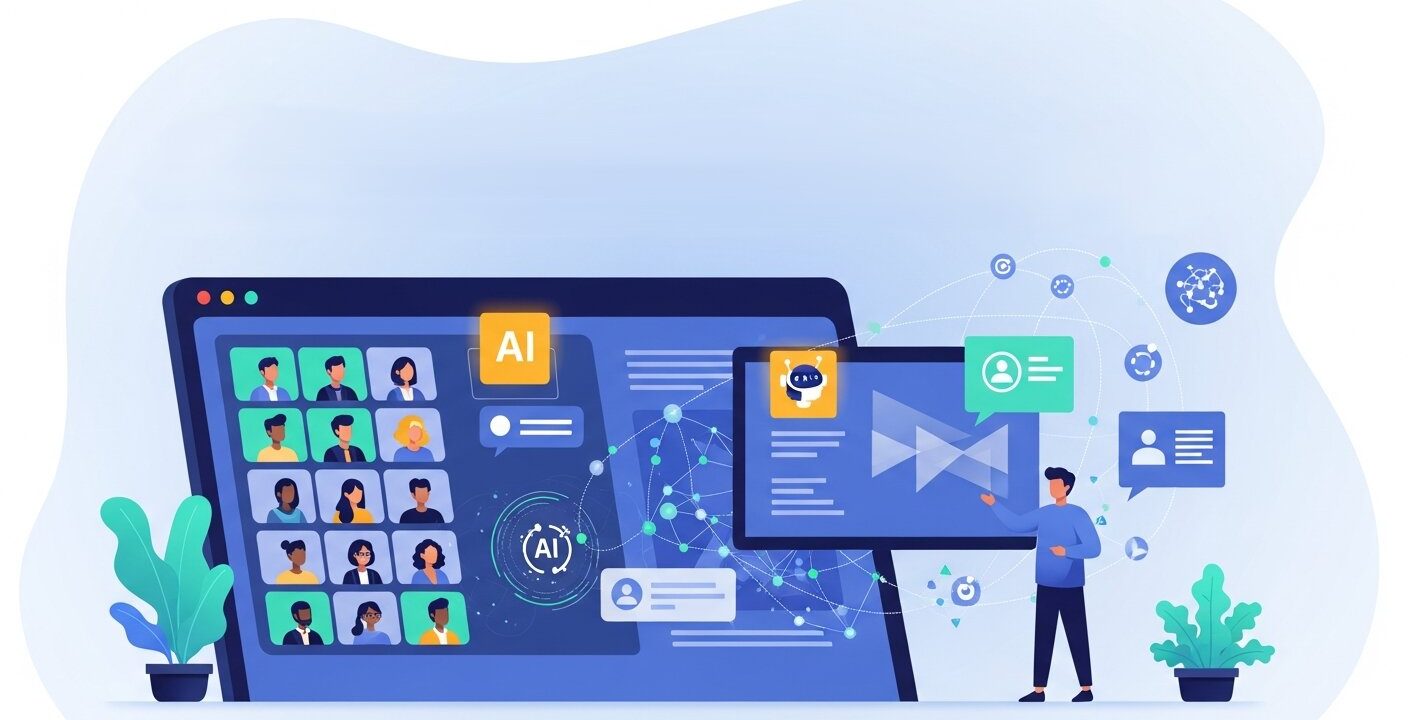
In today’s digital landscape, organizations of all sizes are seeking innovative strategies to engage prospects, nurture leads, and showcase expertise. AI in webinar marketing has emerged as a transformative approach that elevates every step of the virtual event journey—from pinpointing high-impact topics to delivering personalized follow-up communications. Relying solely on manual intuition or broad segmentation no longer suffices; intelligent automation and data-driven insights are now crucial for achieving meaningful results. As competition intensifies, marketers need robust solutions that predict audience interests, optimize promotional tactics, and keep attendees engaged in real time. By harnessing AI-powered capabilities, companies can deliver more relevant content, reduce no-show rates, and rapidly identify top-quality leads.
Today, forward-thinking teams are integrating machine learning models and natural language processing tools into their webinar workflows, ensuring each live session resonates deeply with its intended audience. This year , the emphasis is on leveraging predictive analytics for topic selection, dynamic content personalization for ads and emails, and sentiment analysis during live broadcasts. With AI in webinar marketing, you can transform static presentations into interactive, feedback-driven experiences. External studies from institutions like the Harvard University and guidelines provided by the National Institute of Standards and Technology (NIST) underscore the importance of data integrity and ethical AI practices. In the sections that follow, we’ll explore five critical pillars of AI-driven webinar marketing and show you how to implement these tactics in your next campaign.
Utilizing Predictive Analytics for Topic Selection and Scheduling
Choosing a webinar theme that captivates your audience is the cornerstone of a successful event. AI in webinar marketing empowers you to analyze large datasets—such as search term trends, social media conversations, and historical registration performance—to surface topics that align precisely with attendee interests. Advanced machine-learning algorithms can even forecast the best days and time slots to host live sessions, minimizing no-shows and maximizing engagement. For example, an AI solution might reveal that a specific market segment is most active on weekday afternoons, while another prefers lunchtime presentations. By tailoring your event schedule accordingly, you ensure higher live attendance rates and more dynamic Q&A interactions.Beyond raw attendance metrics, these predictive analytics tools assess factors like past replay views and attendee feedback patterns to refine topic proposals. In today’s competitive environment, your webinar agenda must evolve based on real-time insights rather than static planning calendars. Leveraging AI in webinar marketing for topic selection also encourages continuous testing: you can rapidly deploy micro-surveys or social listening campaigns, feed this data into your predictive models, and iterate on your content calendar. The result is a data-driven pipeline of webinar ideas that consistently resonates with key segments, driving stronger ROI for every live event you deliver.
Crafting Personalized Email and Ad Campaigns
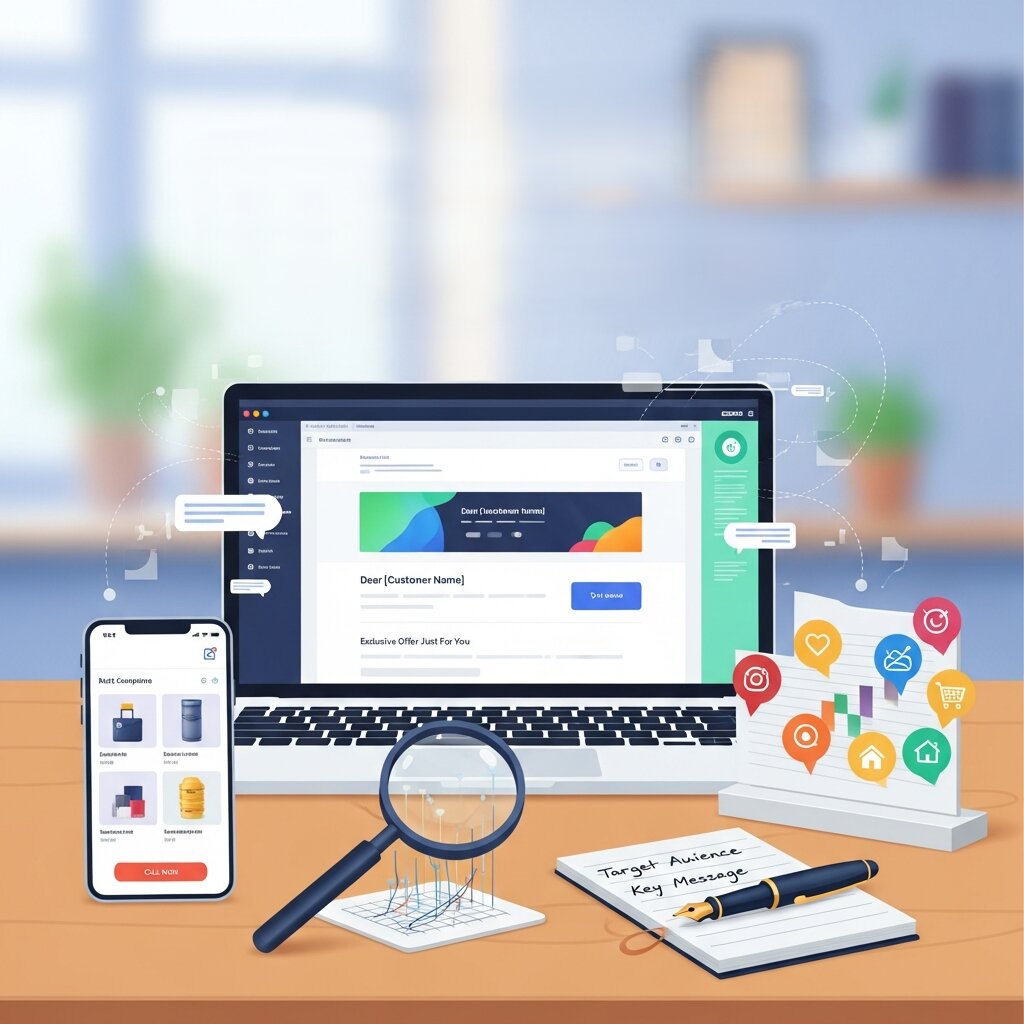
Once you’ve established a compelling topic and optimal schedule, the next challenge is promotion. AI in webinar marketing revolutionizes outreach by automating hyper-personalization at scale. Email platforms powered by machine learning can dynamically adjust subject lines, preview text, and send times based on each recipient’s past behavior—such as open rates, click history, and previous webinar attendance. This targeted approach dramatically improves conversion rates compared to one-size-fits-all blasts.On social and display channels, AI-driven ad solutions allocate budget toward the highest-performing audience segments in real time. If initial ad sets generate more sign-ups among decision-makers in specific industries, the algorithm automatically shifts spend to those clusters. Dynamic content blocks within emails and landing pages highlight the benefits most relevant to each persona, whether it’s technical depth for engineers or ROI-focused case studies for executives. By tightly integrating these tools with your CRM, you ensure that every promotional touchpoint reinforces the same personalized message, creating a seamless user experience from inbox to registration confirmation.
Enhancing Live Engagement with AI-Powered Interactions
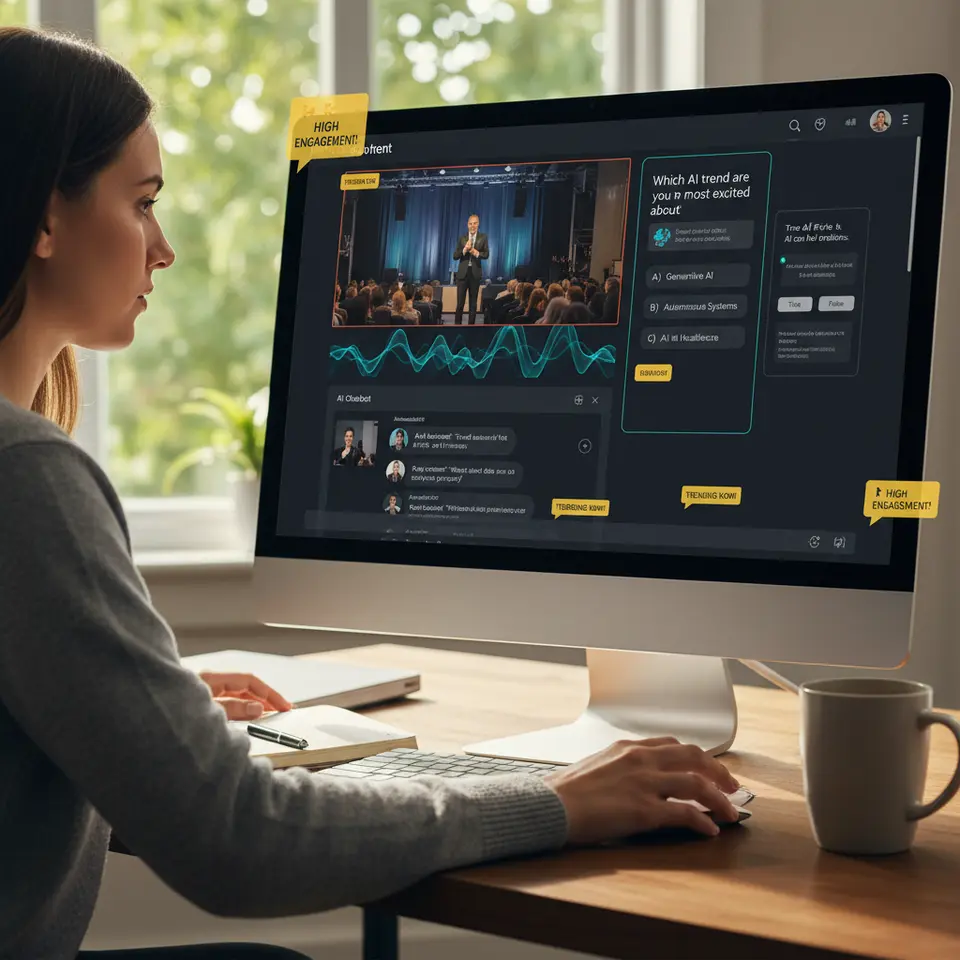
Maintaining participant attention during a virtual event is a perennial challenge. AI in webinar marketing addresses this by embedding chatbots and sentiment analysis engines into your live stream. Intelligent chat assistants can field routine inquiries—such as session timing or resource link requests—allowing your presenter to focus on delivering insightful content. Meanwhile, natural language processing algorithms monitor chat logs, emoji reactions, and poll responses to gauge attendee sentiment in real time.
If the system detects waning energy or negative feedback, it can trigger dynamic interventions: launching a quick poll to solicit opinions, prompting a switch to a live case study, or deploying an interactive quiz. These real-time adjustments keep engagement levels high and reinforce the perception of a responsive, attendee-centric experience. Integrating AI-driven sentiment analysis with your analytics dashboard also provides immediate feedback on which segments of your presentation resonate most. Over time, you’ll refine your content flow and interactivity elements based on data rather than guesswork.
Automating Post-Event Follow-Up and Lead Scoring
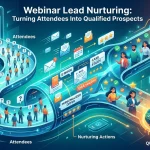
 The end of your live webinar should mark the beginning of a strategic nurture sequence. AI in webinar marketing makes this seamless by automatically categorizing attendees and absentees into tailored follow-up workflows. By tracking engagement signals—such as watch time, poll participation, and resource downloads—AI assigns each contact a lead score that reflects their readiness to buy. High-value prospects can receive immediate sales outreach or targeted content offers, while those with lower scores enter a longer-term nurture track, receiving educational materials until they demonstrate stronger intent.For no-shows, automated reminders and replay invitations ensure you capture additional interactions without manual effort. Integration with your marketing automation platform lets you trigger personalized content recommendations—like relevant blog posts or case studies—based on webinar behavior. This level of automation accelerates pipeline velocity and eliminates bottlenecks in the handoff between marketing and sales teams. As you iterate on these follow-up sequences, AI algorithms learn which messages and formats yield the highest engagement at each stage, continuously optimizing your lead nurturing strategy.
Leveraging Advanced Analytics and A/B Testing for Continuous Improvement
To sustain momentum and achieve scale, you need detailed insights into every element of your webinar program. AI in webinar marketing equips you with advanced analytics dashboards that go beyond basic attendance figures. These platforms highlight critical drop-off points, compare engagement rates across audience segments, and track the performance of each promotional channel. With machine-learning models, you can even predict which future webinar formats—such as panel discussions versus solo presentations or live versus hybrid events—are likely to succeed with particular demographics. Moreover, AI-driven A/B testing frameworks allow you to run dozens of micro-experiments simultaneously. Whether you’re evaluating different landing page headlines, email subject lines, or slide deck designs, the algorithm identifies statistically significant winners and automatically applies those learnings to subsequent campaigns. This rapid iteration cycle shortens optimization timelines and ensures your webinar marketing program continuously evolves in response to real-world performance data. In today’s fast-paced environment, this agility is essential for maintaining a competitive edge.
 As AI becomes more common in webinar marketing, maintaining trust is critical. Businesses should be transparent about how attendee data is collected and used. Responsible AI practices include protecting personal information, avoiding spammy automation, and ensuring messaging remains accurate and relevant. Human oversight is also important, especially when AI tools generate content or score leads. Ethical implementation helps brands build credibility while avoiding reputational damage. Attendees are more likely to engage when they feel their privacy is respected and communication feels authentic rather than robotic.
Conclusion
In today’s digital landscape, AI in webinar marketing is not an optional enhancement—it’s a strategic necessity. By integrating predictive analytics for topic selection, deploying personalized email and ad campaigns, enhancing live engagement through chatbots and sentiment analysis, automating follow-up and lead scoring, and leveraging advanced analytics with large-scale A/B testing, you can deliver richer experiences and drive superior business outcomes. This year , leading organizations are already reaping the benefits: higher registration rates, deeper attendee engagement, and accelerated pipeline conversions. As you plan your next webinar, start with a thorough audit of existing processes and identify opportunities to layer in machine-learning tools. Prioritize data quality, adhere to ethical guidelines, and partner with reputable AI solutions that align with your tech stack. With a structured, AI-driven approach, you’ll create webinars that not only capture attention today but also build lasting relationships that fuel growth in the months and years ahead.
Frequently Asked Questions
1. What is AI in webinar marketing?
AI in webinar marketing refers to using artificial intelligence tools to improve webinar planning, promotion, engagement, and follow-up. It helps automate repetitive tasks, personalize communication, analyze attendee behavior, and increase conversions. Businesses use AI to create smarter, more effective webinars with less manual effort overall.
2. How does AI help choose webinar topics?
AI analyzes search trends, customer interests, social media conversations, and previous webinar performance to identify high-demand topics. It can reveal what audiences currently care about most. This allows marketers to create webinars that match real needs, increasing registrations, engagement, and attendance rates significantly.
3. Can AI improve webinar attendance rates?
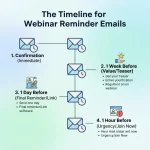
Yes, AI improves attendance by optimizing send times, targeting the right audience, and personalizing reminder campaigns. It can predict when registrants are most likely to attend live sessions. These insights help reduce no-shows and increase participation without relying on guesswork or manual planning.
4. How does AI personalize webinar email campaigns?
AI tools study user behavior such as opens, clicks, past attendance, and interests. Based on this data, they customize subject lines, send times, and content blocks. Personalized email campaigns feel more relevant to recipients, leading to stronger open rates, registrations, and webinar conversions.
5. What AI features can increase live webinar engagement?
Popular AI features include chatbots, sentiment analysis, smart polls, live recommendations, and automated Q&A support. These tools respond instantly to attendee needs and monitor engagement levels. They help presenters adjust content in real time, making webinars more interactive and enjoyable for participants.
6. How does AI help with lead scoring after webinars?
AI tracks engagement signals like watch time, poll responses, downloads, and chat participation. It uses this data to rank leads based on buying intent. Sales teams can then prioritize high-quality prospects first, improving efficiency and increasing chances of converting webinar attendees into customers.
7. Is AI useful for webinar ad campaigns?
Yes, AI can optimize webinar ad campaigns by identifying top-performing audiences, adjusting bids automatically, and testing creative variations. It continuously learns which ads generate the best registrations. This helps marketers lower acquisition costs while increasing webinar sign-ups and campaign return on investment.
8. Can AI automate webinar follow-up sequences?
AI can automatically send thank-you emails, replay links, personalized recommendations, and nurture campaigns based on attendee behavior. It ensures timely communication without manual work. Automated follow-up keeps leads warm, improves engagement after the event, and increases opportunities for future conversions.
9. Are there risks when using AI in webinar marketing?
Yes, risks include poor data quality, privacy concerns, over-automation, and inaccurate predictions. Businesses should use trusted tools, review outputs regularly, and follow ethical data practices. AI works best when combined with human oversight rather than replacing strategic decision-making completely.
10. How can beginners start using AI for webinars?
Beginners should start small by using AI for email personalization, scheduling recommendations, chatbots, or analytics dashboards. Choose tools that integrate with existing webinar platforms. Test one feature at a time, measure results, and gradually expand usage as confidence and experience grow.


Josh Lemon, Content Strategy Consultant, has extensive experience in creating compelling webinar content that resonates with audiences. Skilled in storytelling, SEO, and audience insights, Riley helps brands deliver webinars that educate, engage, and convert effectively.



One reply on “Harnessing AI in Webinar Marketing to Boost Engagement”
[…] patterns, questions asked, or even sentiment expressed during a live Q&A session. This guide to harnessing AI in webinar marketing explores how AI is being used specifically to boost engagement throughout the webinar lifecycle, […]