Webinar success relies on effective promotion. By strategically combining email marketing, social media outreach, and paid advertising, and by targeting the right audience with clear messaging, you can dramatically increase registrations and attendance. Tracking performance across channels helps you optimize campaigns, improve engagement, and ensure your Webinar Promotion reaches people most likely to attend and convert.
Webinar Promotion strategies can make or break your event’s success. The difference between a packed virtual room and an empty one often comes down to how effectively you spread the word. Whether you’re hosting your first webinar or your fiftieth, getting your promotion strategy right determines everything from attendance rates to lead generation results.
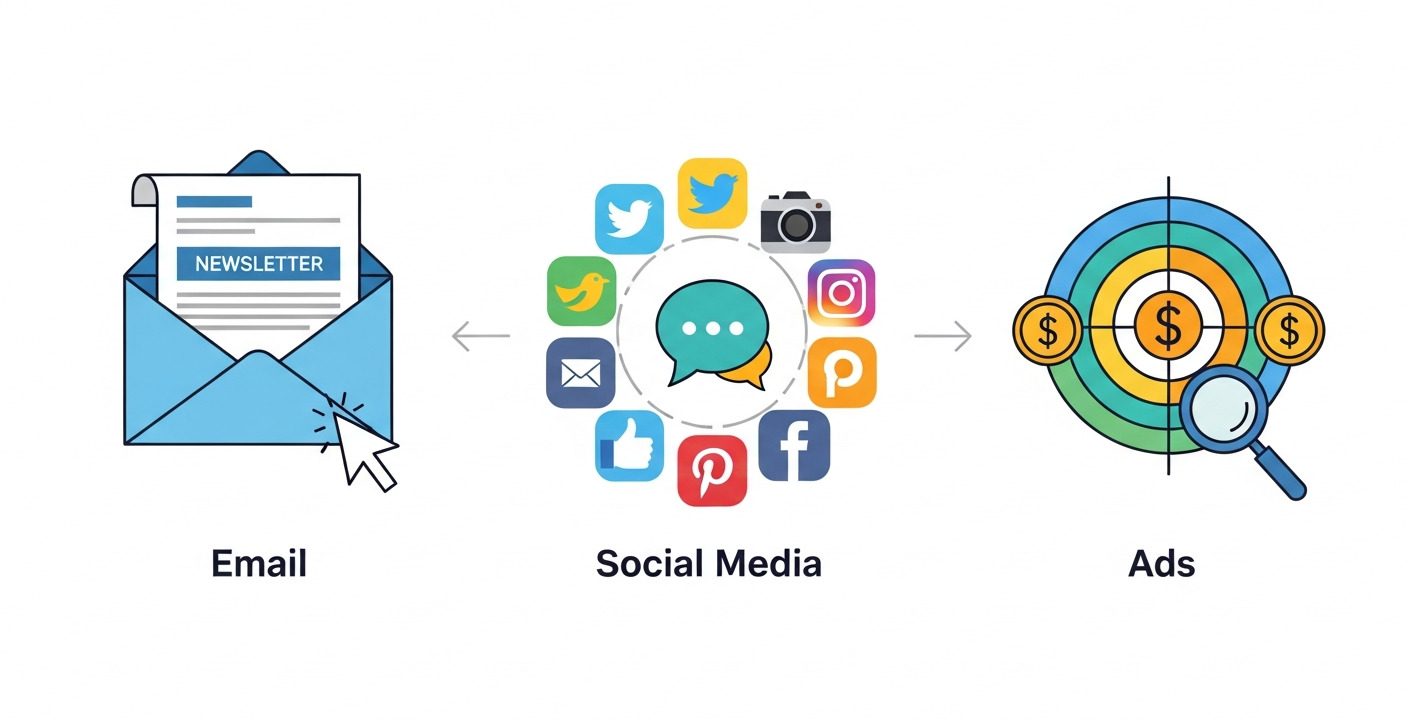
This guide walks through three core pillars of a successful webinar marketing campaign: email outreach, social media promotion, and paid advertising. You’ll discover how to use each channel effectively, how to coordinate them, and how to influence audience behavior to drive registrations.
The Groundwork: Who to Expect at Your Webinar
Before diving into any promotional strategy, it’s critical to clearly define who your ideal webinar audience is. The success of your webinar depends largely on how well you understand the people you’re trying to attract. This means identifying their biggest pain points, the challenges they’re actively trying to solve, and the type of outcomes they’re hoping to achieve by attending your session.
Go deeper than basic demographics. Consider where your audience spends time online, which platforms they trust most, and what type of messaging resonates with them—educational, tactical, inspirational, or data-driven. Understanding these behaviors helps you choose the right channels and craft messages that feel relevant rather than promotional.
Research consistently shows that targeted webinar invitations can generate up to 3x higher attendance rates compared to generic outreach. When your messaging speaks directly to a specific problem and audience segment, people are far more likely to register and show up. Audience targeting isn’t just a preliminary step—it’s the foundation that should shape every email, social post, ad, and reminder throughout your webinar campaign.
Email Marketing Is Your Best Salesperson
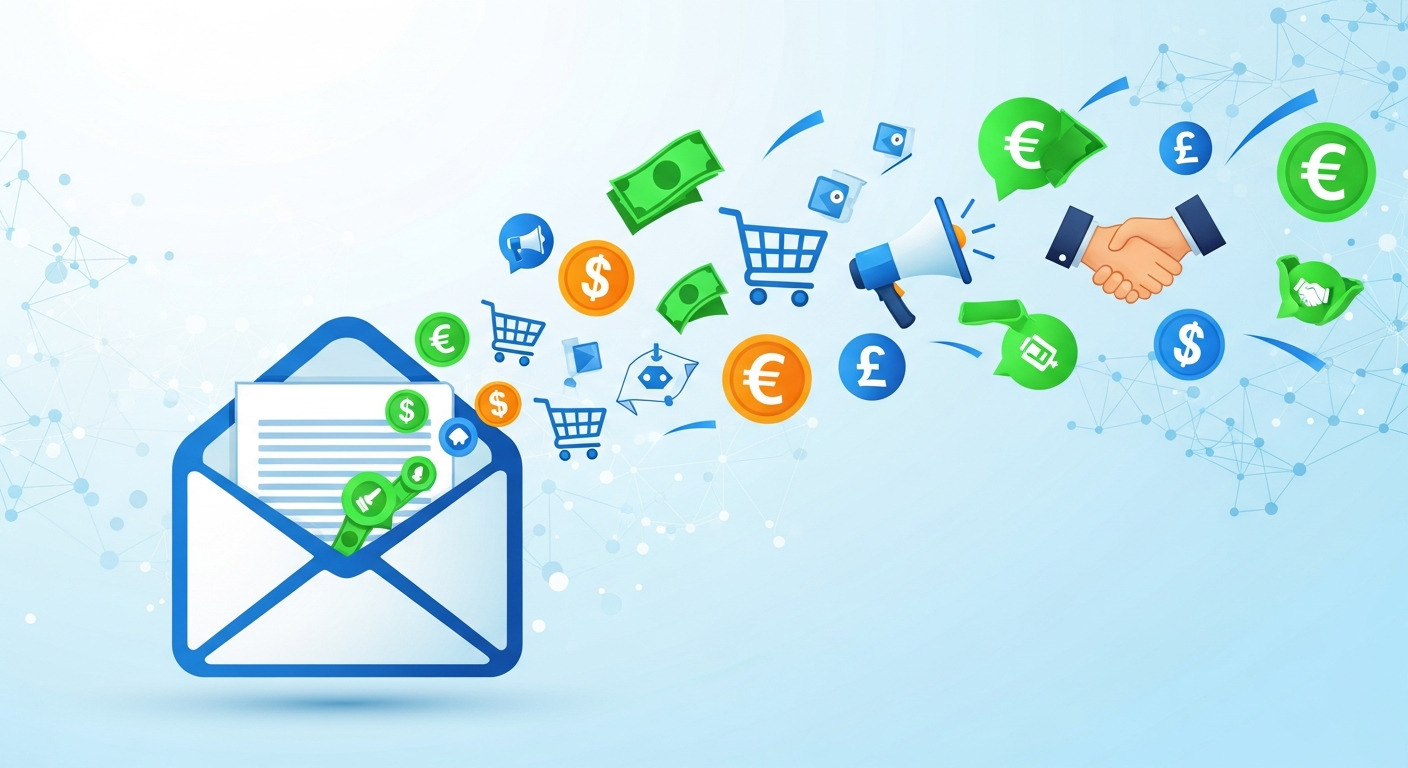
Email marketing remains one of the most effective webinar promotion channels because it reaches people who already have some level of interest in your brand. Unlike social or paid ads, email allows for direct, personalized communication that can guide prospects from awareness to registration and attendance.
How to Build an Email List
Focus on quality rather than size. A smaller, highly relevant list will outperform a large, unengaged one. Use lead magnets that closely align with your webinar topic—such as checklists, templates, mini-guides, or short video lessons—to attract the right audience. Capture leads consistently through your website, blog posts, landing pages, and social media profiles. Partnering with influencers, industry experts, or complementary brands for cross-promotion can also help you tap into new, qualified audiences.
Crafting Your Email Campaign Sequence
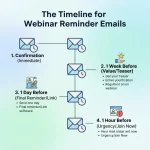
A structured email sequence builds momentum over time. Start with an announcement email 3–4 weeks before the webinar to introduce the topic and clearly explain the value attendees will gain. Follow up with value-building emails 2–3 weeks prior that share useful insights, blog posts, or short tips related to the webinar theme. As the event approaches, send social proof emails highlighting speaker credentials, testimonials, or the number of registrants to build credibility. In the final days, use pre-launch emails to create urgency by emphasizing limited spots or bonuses, and finish with a day-of reminder email containing clear joining instructions.
Email Subject Line Strategies
Your subject line determines whether your email gets opened. Use curiosity, urgency, or clear value to stand out in crowded inboxes. Keep subject lines concise, benefit-focused, and natural. Avoid excessive punctuation, all caps, or overly promotional language that can trigger spam filters or reduce trust.
Personalization and Segmentation
Segment your email list based on interests, past behavior, or demographics to make your messaging more relevant. Personalization goes beyond using a first name—use dynamic content to highlight specific benefits, pain points, or use cases that matter most to each audience segment. This approach significantly increases open rates, click-through rates, and webinar registrations.
Leveraging Social Media 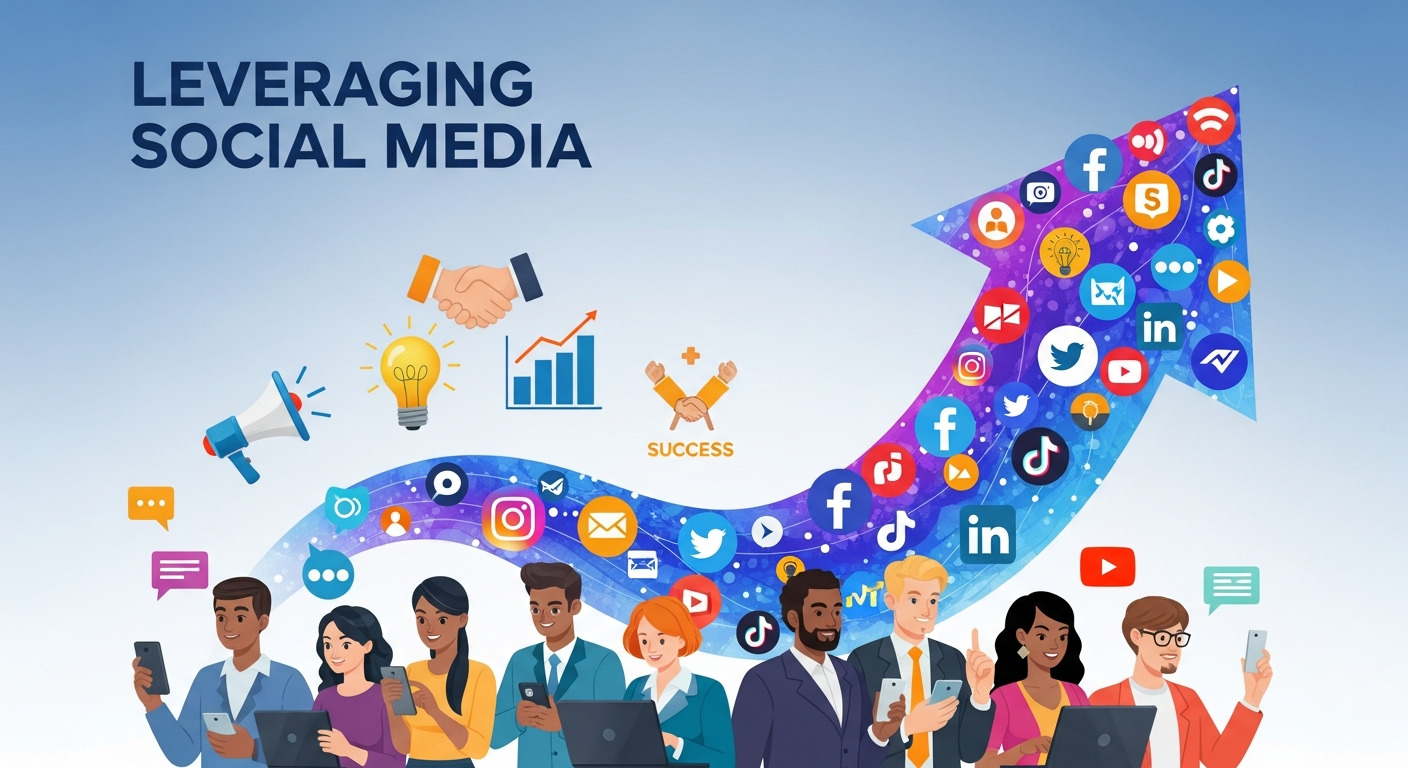
Platform-Specific Strategies
- LinkedIn: Share insights, join discussions, create LinkedIn Events.
- Twitter: Use hashtags, share soundbites, engage in industry chatter.
- Facebook: Create events, go live, run targeted campaigns.
- Instagram: Use Stories, carousels, and behind-the-scenes content.
Content Types That Drive Registrations
- Behind-the-Scenes: Build personal connection.
- Teasers: Create anticipation.
- Social Proof: Share testimonials, registration numbers.
- Educational Posts: Showcase expertise.
Timing and Frequency
- Maintain a posting schedule.
- 80% value-driven content, 20% promotional.
- Use analytics to identify peak engagement times.
Paid Promotion: Boosting Reach
Paid promotion helps you extend your webinar’s visibility beyond your existing audience and reach high-intent prospects at scale. When executed strategically, paid channels can significantly increase registrations while keeping acquisition costs under control.
Google Ads
Google Ads allow you to capture demand from users actively searching for solutions related to your webinar topic. Target high-intent keywords your audience is likely to use, and write persuasive ad copy that clearly highlights the value of attending. Strong calls to action such as “Register Free” or “Save Your Seat” improve click-through rates. It’s critical that your landing page matches the promise of the ad to maintain relevance and boost conversions.
Facebook & Instagram Ads
These platforms excel at audience targeting and creative storytelling. Use custom audiences (website visitors, email subscribers) and lookalike audiences to reach users similar to your best registrants. Video ads tend to perform especially well, allowing you to preview webinar insights or showcase speaker credibility. Testing multiple formats—carousel, video, and static images—helps identify what resonates most.
LinkedIn Advertising
LinkedIn is ideal for B2B webinars. You can target users by job title, industry, company size, or seniority, ensuring your webinar reaches decision-makers. LinkedIn Lead Gen Ads reduce friction by allowing users to sign up without leaving the platform, often increasing conversion rates.
Retargeting Strategies
Retargeting re-engages people who have already shown interest but haven’t registered or attended. Tailor messages based on behavior—address objections, highlight missed value, or create urgency with deadlines and bonuses. This approach consistently delivers higher conversion rates and maximizes your overall webinar ROI
Coordinating Multi-Channel Promotion
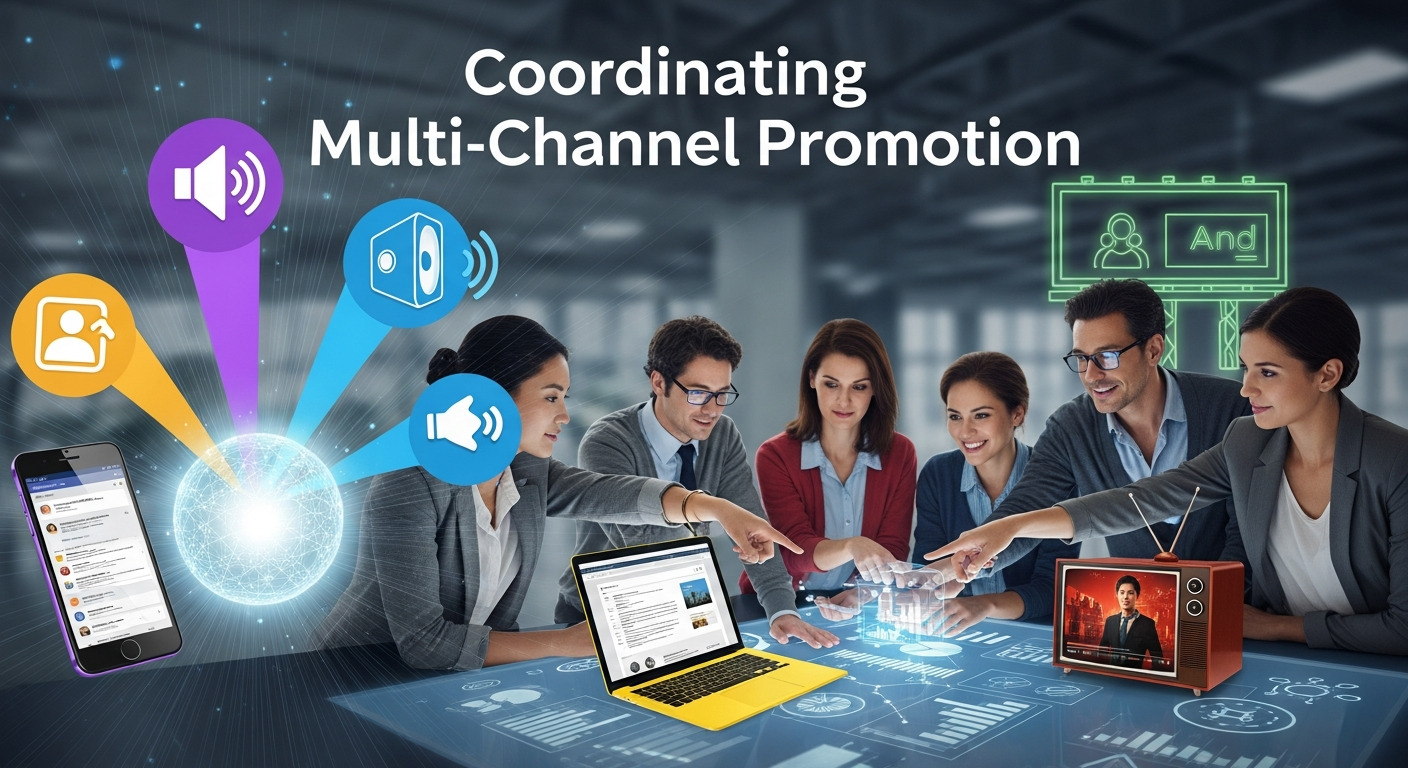
Coordinating multi-channel promotion means aligning your email marketing, social media efforts, and paid advertising into one cohesive strategy rather than running them in isolation. Each channel should reinforce the same core message while being adapted to the format and behavior of its specific audience. When people see consistent messaging across multiple touchpoints, your webinar stays top of mind and feels more credible and important.
A well-coordinated approach also allows you to guide prospects through a natural journey. For example, someone might first discover your webinar through a social post, learn more through an email, and finally convert after seeing a retargeting ad. By synchronizing timing, visuals, and calls to action across channels, you create repeated exposure without confusion. This consistency improves brand recall, increases trust, and significantly boosts webinar registrations and attendance
Unified Messaging
- Establish a consistent core message.
- Customize for each platform while maintaining brand tone.
Cross-Channel Amplification
- Link emails to social media.
- Promote email content on social.
- Share social contests or offers across channels.
Timing Coordination
- Align campaigns across email, social, and paid.
- Develop a promotional calendar for consistency.
Measuring Success
Measuring success is essential to understanding whether your webinar promotion efforts are actually driving results. Instead of focusing on a single metric, look at the full performance picture—registrations, attendance rate, engagement during the session, and post-webinar conversions. These indicators reveal not only how many people signed up, but also how interested and qualified your audience truly was.
Tracking performance by channel helps you identify what’s working best. Email open and click-through rates, social media engagement, and paid ad cost per registration all provide valuable insights for optimization. By analyzing this data consistently, you can refine your messaging, reallocate budget to high-performing channels, and improve future webinars for stronger ROI and long-term growth.
Key Metrics
- Registration Rate: Track sign-up sources.
- Clickthrough Rate: Evaluate promotional content effectiveness.
- Engagement Metrics: Monitor email opens, social shares, ad clicks.
- Cost per Registration: Analyze paid media ROI.
A/B Testing
- Test subject lines, ad copy, posting times.
- Change one variable at a time.
- Use statistically significant data.
Continuous Improvement
- Analyze results.
- Improve based on high-converting tactics.
- Gather attendee feedback.
Psychology of Webinar Promotion

Understanding what motivates people to register for and attend webinars can dramatically improve the effectiveness of your promotion strategy. At its core, webinar registration is a value-based decision. People sign up when they clearly believe the insights, solutions, or outcomes they’ll gain are worth the time and attention they must invest.
To influence this decision, your messaging must quickly answer one key question in the prospect’s mind: “What’s in it for me?” Highlight tangible benefits such as practical takeaways, actionable frameworks, expert insights, or solutions to urgent problems. The clearer and more specific the value, the easier it is for someone to justify registering.
Trust also plays a major psychological role. Social proof—such as testimonials, speaker credibility, attendee numbers, or recognizable brand associations—reduces uncertainty and increases confidence. Urgency and relevance further strengthen motivation. When people feel the topic is timely, limited, or uniquely valuable, they’re more likely to take action instead of postponing the decision.
Creating Urgency and Scarcity
Urgency and scarcity are powerful psychological triggers that encourage people to take immediate action instead of delaying a decision. When potential attendees believe they might miss out on something valuable, they are far more likely to register quickly. Limited-time bonuses, registration deadlines, or a capped number of seats can all create this sense of urgency.
However, scarcity must always be genuine. Artificial or misleading countdowns can damage trust and hurt your brand credibility in the long run. Be transparent about why spots are limited—such as live Q&A capacity, interactive elements, or exclusive resources for attendees. You can also emphasize time-based urgency by highlighting live-only benefits, early-access materials, or bonuses available only to those who register before a specific date.
When used ethically, urgency and scarcity help prospects prioritize your webinar, reduce procrastination, and increase conversion rates—while still maintaining an honest and trustworthy relationship with your audience.
Conclusion
Promoting a webinar is not about blasting links everywhere—it’s about strategic communication. When email, social media, and paid ads work together with consistent messaging and audience insight, webinars become powerful lead-generation and authority-building tools. By testing, optimizing, and understanding audience psychology, you can turn every webinar into a predictable and scalable growth channel.
Frequently Asked Questions (FAQs)
1. What is the most effective webinar promotion channel?
Email marketing usually delivers the highest ROI, especially when you’re promoting to a warm, well-segmented list of subscribers who already trust your brand.
2. How early should I start promoting a webinar?
Start promotion 3–4 weeks in advance. This gives you enough time to educate your audience, build anticipation, and send reminders as the event date approaches.
3. How many emails should I send for one webinar?
Most successful campaigns use 4–6 emails, including an announcement, value-driven emails, social proof, reminders, and a final “last chance” email.
4. Which social platform works best for webinars?
It depends on your audience. LinkedIn works best for B2B and professional topics, Facebook for communities, and Instagram or TikTok for creator-led or visual content.
5. Are paid ads necessary for webinar promotion?
Paid ads aren’t mandatory, but they help scale reach quickly—especially if you want to attract new audiences beyond your existing email list.
6. What type of ad creative works best for webinars?
Short video ads, benefit-focused messaging, and strong calls-to-action typically outperform static images or generic promotional copy.
7. Should I use retargeting ads?
Yes. Retargeting is highly effective because it reconnects with people who already showed interest, significantly increasing registration and attendance rates.
8. How do I increase webinar attendance, not just registrations?
Send reminder emails, calendar invites, and highlight live-only benefits such as Q&A sessions, bonuses, or exclusive offers.
9. Is it okay to promote the same message everywhere?
Your core message should stay consistent, but the format and tone should be customized for each platform to match user behavior and expectations.
10. How do I know which channel drives the most sign-ups?
Use UTM parameters, analytics tools, and webinar platform reports to accurately track which channels deliver the best results.
11. What’s a good cost per webinar registration?
There’s no universal benchmark—it varies by industry. The goal is a low cost per acquisition combined with high-quality attendees who engage and convert.
12. Can evergreen webinars be promoted the same way?
Yes, but evergreen webinars perform best with automated email sequences, retargeting ads, and ongoing paid promotion rather than live event urgency.




One reply on “How to Promote Your Webinar: Email, Social & Ads Explained”
[…] additional promotional ideas, review these webinar promotion strategies to build stronger pre-event […]