


In today’s B2B landscape, finding channels that reliably deliver qualified leads and create compelling connections is vital. While digital marketing tactics evolve—from EID Marketing Ideas to career growth at companies like New Seasons Market—one method has continued to stand out: webinars for B2B lead generation. This guide explores why webinars remain essential, best practices for maximizing ROI, and which pitfalls to avoid as you navigate the modern marketing mix.
This comprehensive resource offers a strategic blueprint for leveraging webinars for B2B lead generation within integrated marketing. You’ll discover why webinars consistently outperform other lead gen tactics, which engagement methods and content formats yield the highest conversions, and how to repurpose webinar content for long-term marketing success. Learn from advanced product marketing strategy, seasonal trends, and actionable inbound techniques that connect sales and marketing for predictable pipeline growth.
The Enduring Impact of Webinars for B2B Lead Generation
Modern B2B buyers are empowered—they thoroughly research before engaging a sales team. In an era of Digital marketing on YouTube and concerns like brand safety in digital marketing, webinars address the need for trust and clarity by enabling live, educational experiences. Unlike static blogs or generic email marketing tips for seasonal campaigns, webinars allow prospects to interact directly with subject-matter experts, get answers on the spot, and shape their buying journey.
Why Webinars Excel for B2B Leads—By the Numbers
- Exceptional Conversion: Webinars typically generate 20%–40% lead conversion rates—much higher than the 2%–5% average for other content efforts, making them essential for a promotion in a business plan.
- Superior Lead Quality: Nearly three-quarters of marketers cite webinars as their top source of qualified leads, outstripping methods like whitepapers, static guides, or viral tactics such as Viral Social Media Campaigns.
- Serious Engagement: Expect around 260 registrants per event, with 40%–50% actively attending—showcasing true buyer interest and helping brand advocates build career at New Seasons Market or similar engaging environments.
These stats confirm how webinars for B2B lead generation connect businesses with high-intent, informed audiences.
What Works: Best Practices for B2B Webinar Success
If you want to future-proof your B2B digital marketing strategies, learn to use webinars not just as broadcasts but as interactive relationship builders.
1. Lead With Education, Not Sales
Audiences crave value, not a sales pitch. The best-performing webinars for B2B lead generation are built around actionable insights, problem-solving, and thought leadership—cornerstones in consumer brand marketing and brand awareness.
Ideas for Educational Webinar Content:
- Solution Sessions: Center your event around a trending challenge—create immersive walkthroughs that echo content from Brand Storytelling or trend marketing ai data strategy.
- Industry & Seasonal Trends: Explore seasonality in marketing or holiday campaign planning, supported by an analysis of real data from credible platforms or trends like Seasonal Hashtag Strategies.
- Hands-on Demos: Use live demonstrations to explain new solutions or services—align with product positioning and show, not just tell, your brand’s capabilities.
Educational-first strategies are not only core to webinars for B2B lead generation but also to building brand equity in marketing.
2. Prioritize Interactive Engagement
The days of one-way webinars are over. To maximize ROI, treat your webinar like a live creative webinar idea—encourage participation and real connections.
Engagement Features That Work:
- Live Polls and Q&A: Use polling to take your audience’s pulse or segment prospects, then dedicate time to a vigorous Q&A.
- Chat, Breakouts, and Quizzes: Enable two-way conversation, run on-the-fly quizzes, or create creative content services that let participants learn by doing.
- Surveys and Post-Event Feedback: Get actionable insights into audience challenges for future email marketing services or seasonal follow-ups.
Platforms such as Zoom, ON24, GoToWebinar, or even high-end whatsapp marketing services can facilitate rich interaction.
3. Multi-Channel, Consistent Promotion
A perfectly crafted webinar with no promotion won’t generate B2B leads. The most effective webinars for B2B lead generation combine cross channel seasonal marketing with targeted invitations.
Promotion Tactics to Amplify Registration:
- Segmented Email Campaigns: Integrate email marketing tips for seasonal campaign and targeted outreach.
- Social Media Push: Leverage LinkedIn, Twitter, and even tips from How to become a social Media Influencer or viral marketing on Tiktok for teaser videos and community engagement.
- Affiliate and Partner Networks: Run co-branded promotions and cross-promote with partners—a strategy seen in Co-Branding in Marketing and integrated marketing.
- Personal Touches: Engage your sales staff in outreach—echoing those seeking a career at New Seasons Market where personal relationships matter.
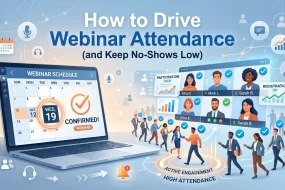
Plan ahead—at least three weeks of consistent, multi-touch promotion maximizes turnout.
4. Repurpose Webinar Content for Ongoing ROI
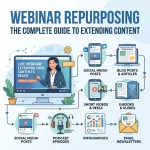
Successful webinars for B2B lead generation are never “one and done.” They live on through diverse formats that echo best practices seen in unique marketing ideas or video SEO.
How to Repurpose Your Webinar:
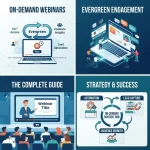
- On-Demand Hubs: Host recordings behind registration walls, using techniques from lead nurturing to keep the pipeline warm.
- Micro-Content for Social: Cut highlights into shareable clips. Amplify across your social media—great for those learning how to start a social media marketing company.
- Podcasts & Slide Decks: Republish audio and visuals to widen your reach—align with content marketing services and brand marketing strategy.
- Insightful Blog Series: Develop deep-dive articles from the Q&A and poll results for your resource library—showcasing your brand authority and brand purpose development.
What Doesn’t Work: Mistakes That Limit B2B Webinar Impact
To build a sustainable funnel using webinars for B2B lead generation, avoid outdated tactics and negligent planning.
1. Sales-Heavy, Value-Light Content
Attendees can spot a sales pitch disguised as a webinar from a mile away. If your approach prioritizes demoing features over sharing insights or how to apply something (as seen in how to create viral content), you’ll lose your audience—a lesson in brand perception in marketing.
2. Underwhelming Promotion
Depending on a single email or last-minute outreach is a recipe for low counts. Combine digital tactics, seasonal strategies, and referral marketing to keep your events top-of-mind—a practice adopted by those mastering promotion in a business plan.
3. Poor Technical Prep
Glitches ruin trust. Run dry rehearsals with your team, check your network, and have contingency plans in place—mirroring the importance of brand safety in digital marketing.
4. Weak Post-Webinar Follow-Up
The real magic of webinars for B2B lead generation often begins after the event. If your only communication is a bland “thanks for coming,” prospects will cool off rapidly.
Upgrade Your Follow-Up With:
- Rapid Recaps: Quickly deliver slides and recordings.
- Segmented Messaging: Tailor next steps based on interaction—account for factors tracked by lead scoring and customer journey mapping.
- Value-Focused Nurture: Share relevant resources or exclusive offers, tapping into seasonal promotions for e-commerce or niche discounts.
- Sales Enablement: Hand off detailed attendee insights so sales reps can personalize outreach—a best-in-class brand strategy consulting guide move.
Aligning Webinars with Sales, ABM, and Modern Funnels
To maximize value from webinars for B2B lead generation, integrate event data with your sales process—use insights to fuel targeted ABM campaigns, drive account-based engagement, and streamline brand monitoring services.
|
Integration Point |
Value Webinar Adds |
|---|---|
|
Lead Qualification |
Deep attendee analytics (duration, participation) for smarter lead scoring and personal reputation management. |
|
Sales Enablement |
Transcripts and Q&A arm reps with buying signals—aligned with brand strategy roadmap thinking. |
|
ABM Campaigns |
Personalized invites and exclusive content for account decision-makers—leveraging family branding in marketing and co-branded value. |
|
Marketing/Sales Alignment |
Synchronized goals and transparent CRM integration empower data-driven follow-up for pipeline acceleration. |
Syncing all engagement data to automation tools—such as HubSpot, Salesforce, or Marketo—improves tracking, outreach, and nurturing.
Conclusion
Webinars for B2B lead generation remain a pillar of integrated demand gen because they fuse education, trust, and measurable engagement. By applying modern content techniques, embracing authentic interaction, and nurturing leads with care, webinars deliver steady pipeline growth and elevate your brand’s authority—whether you’re building a personal brand strategy, planning seasonal trends in marketing, or expanding your career at New Seasons Market. Companies that master this channel will stay ahead as the market evolves.
FAQs
1. Why do webinars outperform other B2B lead generation methods?
They combine expert education, real-time engagement, and intent signals for higher-quality leads—elements that align with best practices in brand resilience strategies and trend marketing mastery.
2. What’s a strong attendance rate for B2B webinars?
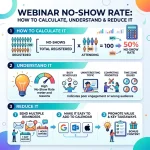
Expect 40%–50% of registrants live—a figure improved by creative recruitment like creative webinar ideas and seasonal marketing ideas.
3. Which topics are best for B2B webinars?
Focus on actionable, timely solutions—like how to apply seasonal hashtag strategies, new compliance rules, or innovative applications of trend marketing ai data strategy.
4. When should I start promoting a webinar?
Begin outreach 2–3 weeks ahead; blend integrated marketing with unique marketing ideas for best effect.
5. Can recorded webinars generate leads?
Yes. On-demand webinars, promoted using content syndication and referral marketing, collect leads year-round.
6. How do webinars help with long sales cycles?
They maintain engagement, offer multiple touchpoints, and support B2B sales enablement throughout lengthy decision processes.
7. How do webinars align sales and marketing?
With shared engagement data and pipeline goals, webinars bridge sales/marketing divide and improve outcomes—a hallmark of strong brand strategy framework.
8. What increases engagement during webinars?
Live Q&A, polls, breakout rooms, and quizzes leverage lessons from psychology of trend marketing for lasting impact.
9. Are webinars still effective if the market feels saturated?
Absolutely. High-value content, tailored outreach, and integration with influencer marketing for product and micro trend marketing keep webinars relevant.
10. How often should B2B companies host webinars?
Start with monthly, high-quality events. As systems mature, consider increasing frequency and leveraging trend marketing mastery to stay consistently top-of-mind.


Josh Lemon, Content Strategy Consultant, has extensive experience in creating compelling webinar content that resonates with audiences. Skilled in storytelling, SEO, and audience insights, Riley helps brands deliver webinars that educate, engage, and convert effectively.



2 replies on “Webinars for B2B Lead Generation: What works and What doesn’t”
[…] want the foundational case for why webinars work as a B2B channel in the first place, our guide on why webinars are effective for B2B lead generation is a useful starting […]
[…] want the foundational case for why webinars work as a B2B channel in the first place, our guide on why webinars are effective for B2B lead generation is a useful starting […]