


Webinar hosting is the practice of running live or pre-recorded online presentations using software that handles streaming, registration, audience interaction, and analytics. The best webinar hosting platforms blend reliable streaming with marketing features like lead capture, email automation, and CRM integrations—turning a single event into a repeatable revenue channel.
Most conversations about webinar hosting fixate on the wrong thing: the live event itself. Yet the live broadcast is only a slice of what matters. The real value sits in everything wrapped around it—how people register, how they interact, how leads get scored, and how recordings keep working long after the broadcast ends.
This piece looks at webinar hosting through a sharper lens. Rather than rank tools by feature count, it examines what separates a forgettable webinar from one that generates pipeline. You’ll see how live and automated formats differ, where free platforms hit their ceiling, and which capabilities actually correlate with results for businesses focused on marketing and lead generation.
Why the webinar format refuses to die
Plenty of marketing tactics have faded. Webinars haven’t. The format keeps earning its place because it does something few channels can: hold a qualified audience’s attention for 30 to 60 minutes at a stretch.
That sustained attention is rare and valuable. A prospect who sits through a 45-minute webinar has signaled far more intent than someone who skims a blog post or clicks an ad. They’ve handed over their email, blocked time on their calendar, and chosen to listen. For sales and marketing teams, that’s a warm lead arriving with context already built in.
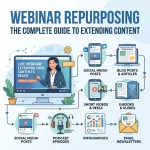
The economics work too. A single well-produced webinar can be recorded once and replayed indefinitely. That recording becomes an on-demand asset, a nurture email attachment, and a sales follow-up tool—all from one production effort.
That sustained attention is rare and valuable. It’s also why webinars play such a strong role in modern B2B lead generation strategies.
Live webinar hosting platforms versus automated systems
The first real decision isn’t which brand to buy. It’s which format fits your goal.
When a live webinar hosting platform makes sense
A live webinar happens in real time, with a presenter responding to questions as they come in. This format wins when authenticity and interaction matter most. Product launches, expert panels, Q&A sessions, and high-stakes sales pitches all benefit from the energy of a live room.
Live formats also create urgency. A one-time event with a fixed date pushes people to show up. The trade-off is pressure—technical hiccups happen in front of everyone, and you need to be available at broadcast time.
That’s why many marketers optimize using high-converting webinar title examples before launching campaigns.
When an automated webinar hosting system wins
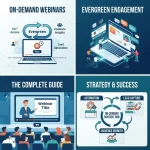
An automated webinar hosting system plays a pre-recorded presentation on a schedule, simulating a live experience. Viewers register, pick a time slot, and watch as if it were happening live—sometimes with automated chat responses layered in.
This approach scales beautifully. Record once, then let the system run the same polished session across time zones, day after day, with zero additional effort from your team. Automated webinars suit evergreen content: onboarding sequences, recurring product demos, and top-of-funnel education that doesn’t change week to week.
Choose live hosting if real-time interaction and timeliness drive your results. Choose an automated system if consistency, scale, and reclaiming your team’s hours matter more than spontaneity.
What separates the best webinar hosting software from the rest

Feature lists blur together fast. Nearly every online webinar hosting tool promises HD streaming, screen sharing, and chat. Those are table stakes. The capabilities that actually distinguish strong webinar hosting solutions for business fall into a few categories.
A structured webinar platforms comparison guide helps identify which tools actually fit your use case.
Streaming reliability under load
Webinar hosting and streaming software lives or dies on stability. A presentation that buffers or drops at minute 20 erases whatever goodwill you built. Look for platforms with a track record of handling your expected attendee count without degradation. The quality gap between platforms shows up most clearly at scale—a tool that runs flawlessly for 50 people may stumble at 5,000.
Registration and landing pages
Webinar hosting tools for marketing should let you build a branded registration page in minutes, capture the fields you care about, and confirm sign-ups automatically. The registration flow is your first lead-capture moment, so friction here costs you attendees.
Engagement features that double as data
Polls, Q&A, chat, and handouts keep audiences awake. But the smartest webinar hosting platforms for lead generation treat every interaction as a signal. Someone who answers three polls and asks a question is hotter than a silent viewer. The platform should record these behaviors and pass them downstream.
Integrations with your marketing stack
This is where virtual webinar hosting services earn their keep for revenue teams. A webinar that syncs registrants and attendance data straight into your CRM and email platform turns the event into a lead engine. Without integrations, you’re stuck exporting spreadsheets and losing the thread. With them, hot leads route to sales automatically and no-shows drop into a nurture sequence.
Free webinar hosting platforms: where they help and where they hurt
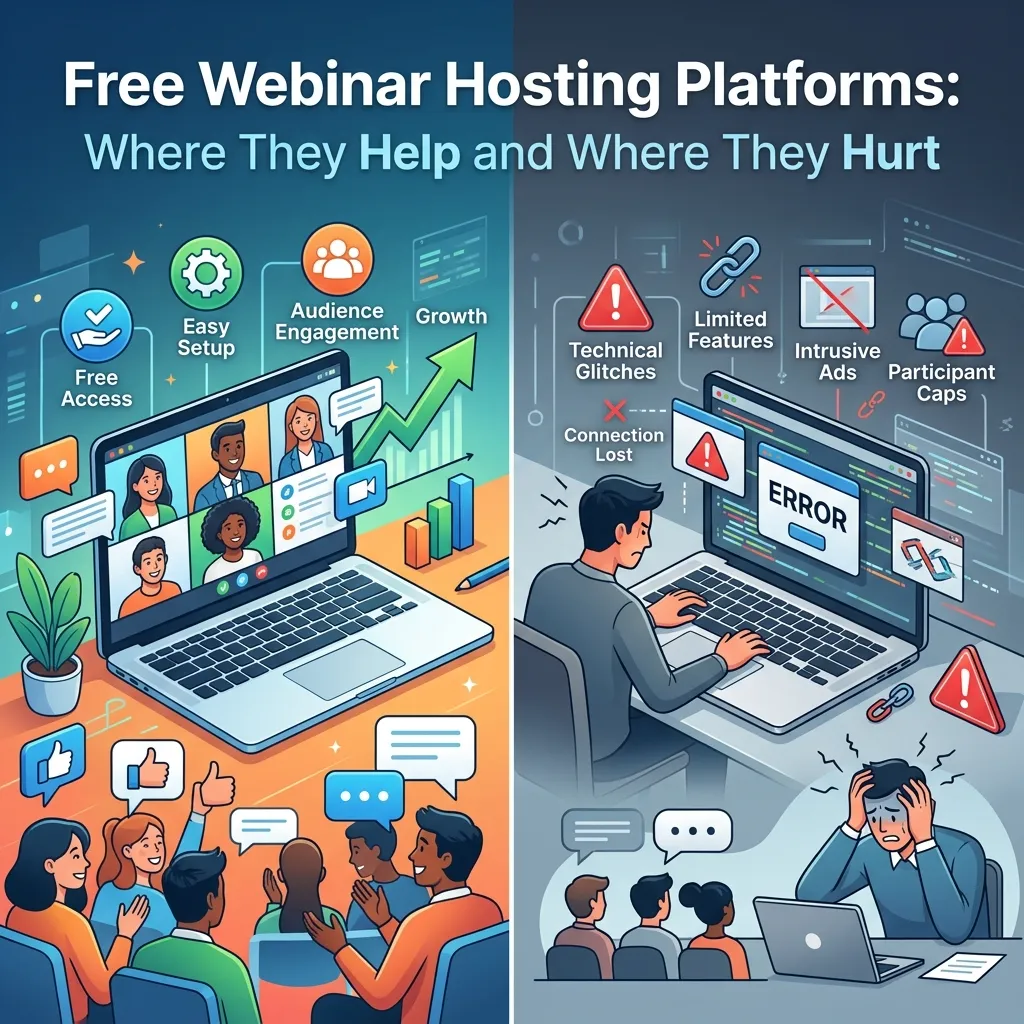
Free webinar hosting platforms have a legitimate place. For internal team meetings, small community calls, or testing whether webinars suit your audience at all, a no-cost tool removes the barrier to starting.
The limits show up quickly once you get serious. Free tiers typically cap attendee counts, strip out branding controls, limit recording storage, and—most damaging for marketers—offer little to no integration with CRM or email systems. You also tend to lose the analytics that tell you which segments engaged.
A practical path: start free to validate the format, then upgrade the moment webinars become a real channel. The cost of a paid plan is trivial against a single closed deal it helps generate.
How webinar hosting drives lead generation
A webinar without a lead strategy is just a video call with a bigger audience. The platforms worth paying for are built to convert attention into pipeline at several points.
At registration, you capture contact details and qualifying information before anyone shows up. That alone builds your list.
During the session, engagement data ranks attendees by interest. A viewer who stays the full hour and engages with polls is a different prospect than one who drops at minute five.
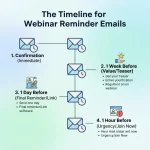
After the broadcast, automated follow-up does the heavy lifting. Attendees get the recording and a relevant offer. No-shows get a “sorry we missed you” with a replay link. Both paths keep the conversation alive without manual effort.
This full-funnel design is why webinar hosting platforms for lead generation justify their price. They don’t just broadcast—they qualify, score, and route.
Matching the platform to your business size
The right choice depends heavily on where your business sits.
Small teams and solo operators usually want simplicity and a fair price over deep feature sets. An online webinar hosting tool that handles registration, streaming, and basic follow-up covers most needs without overwhelming a lean team.
Mid-sized companies running webinars as a steady marketing channel should prioritize integrations and automation. At this stage, webinar hosting tools for marketing that connect to your CRM and support automated webinar hosting systems pay for themselves by saving hours and capturing leads cleanly.
Enterprises with large audiences and strict requirements need to weigh security, compliance, attendee capacity, and dedicated support above all. Streaming reliability at scale becomes non-negotiable when thousands tune in at once.
Common webinar hosting mistakes that quietly cost you leads
Even strong platforms can’t save a poorly run program. A few recurring errors do the most damage.
Treating the webinar as the finish line, rather than the midpoint, wastes the recording’s long-term value. Skipping the follow-up sequence leaves warm leads to cool. Choosing a tool that doesn’t integrate with your stack forces manual data handling and guarantees leads slip through. And overcomplicating the registration form drives sign-ups down before the event even starts.
The fix for all of these is the same: design the entire journey—registration through follow-up—before you pick a platform, then choose the tool that supports that journey end to end.
Bringing it together
Webinar hosting has matured from a novelty into a dependable channel for businesses that treat it seriously. The platforms that deliver results aren’t necessarily the ones with the longest feature lists—they’re the ones that connect a reliable live or automated broadcast to a deliberate lead-generation engine.
Start by clarifying your goal. If you want real-time connection, lean toward a live webinar hosting platform. If you want scale and reclaimed time, build an automated webinar hosting system. Either way, prioritize streaming reliability, clean registration, engagement data, and tight integration with your marketing stack. Get those four right, and the webinar stops being a one-off event and becomes a repeatable source of qualified leads.
Frequently asked questions
What is the best webinar hosting software for a small business?
The best webinar hosting software for a small business is one that balances affordability with the essentials: reliable streaming, easy registration pages, and basic follow-up automation. Small teams rarely need enterprise-grade capacity, so paying for thousands of attendee slots or advanced compliance features wastes budget. Prioritize ease of use and a CRM integration you’ll actually use.
Are free webinar hosting platforms good enough for marketing?
Free webinar hosting platforms work for testing the format or running small, informal sessions, but they fall short for serious marketing. Free tiers usually cap attendees, limit branding, and lack CRM and email integrations—the exact features that turn a webinar into a lead source. Use free to validate, then upgrade once webinars become a real channel.
What’s the difference between live and automated webinar hosting?
Live webinar hosting broadcasts in real time, letting presenters answer questions on the spot and create urgency around a fixed date. An automated webinar hosting system plays a pre-recorded session on a schedule, simulating a live event. Live formats favor interaction and timeliness; automated systems favor scale, consistency, and saving your team’s time.
How do webinar hosting platforms help with lead generation?
Webinar hosting platforms for lead generation capture leads at registration, score them by tracking engagement during the session, and trigger automated follow-up afterward. Attendees receive recordings and offers, while no-shows enter nurture sequences. When the platform integrates with your CRM, hot leads route to sales automatically—turning one event into an ongoing pipeline source.
How much does webinar hosting software cost?
Webinar hosting software ranges from free tiers to enterprise plans costing hundreds of dollars per month. Pricing typically scales with attendee capacity, the number of hosts, and access to advanced features like automation, integrations, and analytics. Most businesses find a mid-tier plan covers their needs, and the cost is easily justified by the leads a single strong webinar generates.
What is webinar hosting?
Webinar hosting is the process of running online presentations using tools that manage streaming, registration, and audience interaction.
How does webinar hosting work?
It streams video to an audience in real time or pre-recorded format while allowing interaction through chat, polls, and Q&A.
What are the benefits of webinar hosting?
It helps businesses generate leads, educate customers, build authority, and reach large audiences online.
Do I need special software for webinar hosting?
Yes, most businesses use webinar platforms that include streaming, registration pages, and analytics tools.
What is the difference between live and automated webinars?
Live webinars happen in real time with audience interaction, while automated webinars play recorded sessions on a schedule.
Can webinar hosting help with marketing?
Yes, it is widely used for lead generation, product promotion, and customer engagement.
How do people register for a webinar?
Attendees usually sign up through a landing page that collects their contact information.
Can webinar hosting track audience engagement?
Yes, most platforms track attendance, participation, and interaction data for analysis.
Is webinar hosting suitable for small businesses?
Absolutely, it is a cost-effective way for small businesses to reach and educate potential customers.
What makes a good webinar platform?
A good platform offers stable streaming, easy registration, interactive tools, and integration with marketing systems.










No Comments