


A successful webinar can help businesses attract potential customers, build brand awareness, generate qualified leads, and increase conversions. However, achieving these results requires careful planning, effective promotion, engaging content, and consistent follow-up. A well-planned webinar marketing strategy connects every stage of the webinar process, from selecting the right topic and attracting registrants to engaging attendees and measuring performance. This guide explores practical ways to promote webinars, improve registration rates, increase audience participation, and turn webinar attendees into long-term customers.
Webinar Marketing Tips
Webinars have become an effective way for businesses to educate their audiences, demonstrate expertise, and develop relationships with potential customers. Unlike traditional advertising, webinars provide opportunities for direct interaction, allowing businesses to answer questions, explain complex topics, and establish trust. An effective webinar marketing strategy starts with understanding the audience and identifying the problems they want to solve. Before planning a webinar, determine its primary objective. You might want to generate leads, introduce a new product, educate existing customers, or increase brand awareness. Your objective should influence the topic, presentation format, promotional channels, and follow-up process. Choose a specific subject that offers practical value instead of trying to cover too many ideas in one session.
The quality of your webinar also matters. Prepare a clear presentation, use relevant examples, and explain concepts in language your audience understands. Include opportunities for questions and discussions to make the experience more interactive. A webinar marketing strategy becomes more effective when the audience receives actionable information rather than a presentation focused entirely on selling. Businesses can also improve results by aligning webinar activities with their broader marketing operations. For example, connecting registration forms with customer relationship management tools can help organize leads and personalize communication. Learn how marketing automation and CRM integration can support more coordinated marketing campaigns and lead management.
Webinar Promotion Strategies
Creating valuable webinar content is only one part of the process. People need to discover the event, understand its benefits, and feel motivated to register. Effective promotion should begin well before the scheduled date and continue through the final hours before the webinar. Email marketing is a useful starting point because businesses can reach subscribers who have already expressed interest in their products or expertise. Announce the webinar with a clear subject line, explain what attendees will learn, and provide a straightforward registration link. Social media can extend that reach through short promotional videos, informative posts, speaker announcements, and countdown reminders.
A strong webinar marketing strategy uses multiple promotional channels without repeating the same message everywhere. LinkedIn may be appropriate for professional or business-focused webinars, while other social platforms may work better for consumer topics. Partnerships with relevant businesses, industry experts, and professional communities can also introduce the webinar to new audiences.
Paid advertising can help reach people who have not discovered your brand. However, campaigns should target relevant audiences and communicate a clear benefit. Instead of simply advertising a webinar, explain how it will help people overcome a challenge, learn a skill, or make a better decision. Promotion should also support your wider content marketing activities. Publishing related articles, short videos, and educational resources can attract people who are already searching for information about your topic. A coordinated webinar marketing strategy makes these resources work together, creating multiple opportunities for potential attendees to discover the event and register.
How to Promote a Webinar
 Promoting a webinar successfully requires a consistent message across every channel. Begin with a dedicated landing page that explains the webinar topic, identifies the intended audience, introduces the speaker, and highlights the main benefits. Keep the registration process simple so visitors can sign up without unnecessary steps. Your promotional message should answer an important question: why should someone spend time attending this webinar? Explain the specific outcome participants can expect. For example, a webinar about improving online sales could promise practical techniques for identifying customer drop-off points and improving the buying experience. Clear benefits make the event more relevant and compelling.
An effective webinar marketing strategy also includes a realistic promotional timeline. Start announcing the event several weeks in advance when possible, then increase visibility as the date approaches. Send an initial announcement, share educational content related to the topic, and follow up with reminders for people who have shown interest.
Short videos can be particularly useful for explaining the webinar’s value. A speaker can introduce the topic, discuss a common problem, or share a preview of what attendees will learn. Businesses measuring the performance of these assets can benefit from understanding video marketing KPIs and metrics that actually matter, including engagement, click-through rates, and conversions. Finally, make registration accessible on mobile devices and test every promotional link before publishing. Even an excellent campaign can underperform if the landing page loads slowly or the registration form creates unnecessary friction.
Webinar Lead Generation
Webinars can generate qualified leads by attracting people who are actively interested in a particular subject. Someone who registers for a detailed session about a business challenge may have a stronger interest in the topic than someone who encounters a general advertisement. However, registration alone does not guarantee that a lead is ready to purchase. A practical webinar marketing strategy focuses on attracting relevant prospects rather than collecting the largest possible number of email addresses. Start by defining your ideal audience and creating a webinar topic that addresses its needs. Use registration questions sparingly to understand attendees’ roles, interests, or primary challenges without making the form unnecessarily complicated.
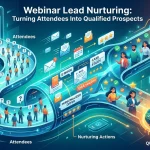
Once people register, organize their information in a CRM system so your team can manage communication effectively. You can categorize contacts based on their interests, attendance status, questions, and engagement with follow-up resources. Marketing automation can then deliver relevant messages instead of sending identical promotions to everyone.
During the webinar, provide genuine educational value before introducing a relevant product, service, or consultation opportunity. A useful demonstration or practical case study can help attendees understand how your solution addresses their needs. The goal is to create a natural connection between the information presented and the next step you recommend. A strong webinar marketing strategy also considers what happens after the event. Send the recording, share supplementary resources, and offer appropriate next steps. Leads who request a demonstration may need a different follow-up from attendees who simply want educational material. This approach helps businesses develop relationships while moving qualified prospects toward conversion.
Webinar Content Marketing
Content marketing helps businesses attract an audience before, during, and after a webinar. Instead of treating the webinar as an isolated event, consider it a central resource that can support an entire campaign. Related blog posts, email newsletters, social media content, and short videos can introduce the subject and encourage people to attend. Begin by researching the questions your audience asks most frequently. Search queries, customer conversations, sales team feedback, and website analytics can reveal useful content opportunities. Select a webinar topic that addresses a meaningful problem and provides enough depth for a live presentation.
An effective webinar marketing strategy connects the event to existing educational resources. For example, publish a detailed article that explains the fundamentals of your subject, then invite readers to attend a webinar offering demonstrations or advanced recommendations. This creates a logical journey from discovering information to participating in a more detailed learning experience.
After the event, repurpose the recording into additional content. You can create short video clips, summarize key insights in a blog post, develop an email series, or turn common audience questions into future articles. Always ensure that the repurposed content accurately reflects the original presentation and offers value independently. Content can also strengthen customer relationships beyond the initial registration. Businesses interested in encouraging repeat engagement can explore how to build customer advocacy to understand how satisfied customers can become active supporters of a brand. Educational webinars can contribute to that relationship by helping customers achieve better results with a product or service.
Webinar Audience Engagement
 Audience engagement is essential because registration numbers alone do not reveal whether people find a webinar useful. Attendees who actively participate are more likely to remember important information, ask meaningful questions, and develop an interest in the business presenting it. A webinar marketing strategy should therefore include interactive elements throughout the presentation. Polls can help you understand audience preferences, while question-and-answer sessions allow participants to address specific concerns. Live demonstrations, practical examples, and brief knowledge checks can also make complex information easier to understand.
Avoid presenting uninterrupted slides for the entire session. Instead, organize the presentation into manageable sections and vary the format when appropriate. Encourage attendees to share their experiences or respond to questions related to the topic. These activities can make the session feel more like a conversation than a lecture.
The host’s delivery also influences engagement. Speakers should explain concepts clearly, maintain an appropriate pace, and respond respectfully to questions. Rehearsing beforehand can help prevent technical interruptions and ensure that the presentation fits the scheduled duration. An effective webinar marketing strategy also accounts for people who cannot attend live. Offer a recording when appropriate and provide a way for participants to submit questions afterward. Review attendance duration, poll responses, and questions to identify which sections attracted the most interest. These insights can guide improvements to future webinars.
Webinar Registration Optimization
Your registration page plays an important role in converting interested visitors into attendees. If the page is confusing, slow, or difficult to use, potential participants may leave before completing the form. Registration optimization focuses on removing these obstacles while communicating the webinar’s value clearly.
Start with a descriptive headline that explains the topic and intended benefit. Include the date, time, duration, speaker information, and a concise explanation of what participants will learn. A clear call to action should guide visitors toward registration without competing with unnecessary links or distractions.
A webinar marketing strategy should also prioritize user experience. Keep registration forms short and request only the information you genuinely need. Asking for too many details can reduce completion rates, especially among visitors who are unfamiliar with your brand. Ensure that forms work correctly on smartphones, tablets, and desktop devices.
Testing different page elements can reveal opportunities for improvement. Compare alternative headlines, button text, page layouts, or descriptions to determine which versions generate more completed registrations. Evaluate results using meaningful metrics rather than relying on assumptions about what visitors prefer. Registration data should also help you understand the audience. If a large proportion of visitors abandon the form, investigate loading speed, technical errors, unclear instructions, or excessive information requests. Continuous testing helps create a smoother registration experience and makes promotional spending more effective.
Webinar Email Marketing
Email marketing supports the entire webinar lifecycle, from the first announcement to post-event follow-up. It allows businesses to communicate directly with subscribers, explain the event’s benefits, and remind registered attendees when the session is approaching.
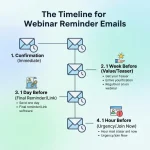
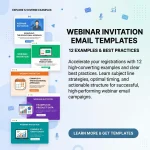
An effective webinar marketing strategy uses email messages that match each recipient’s stage in the process. The initial invitation should introduce the topic and explain why it matters. Once someone registers, send a confirmation containing the event details and instructions for joining. Additional reminders can help reduce missed attendance.
Timing matters, but excessive messages can frustrate subscribers. A practical sequence may include an announcement, a reminder several days before the event, another reminder on the day, and a final notification shortly before the session begins. Adjust the frequency to suit your audience and campaign duration.
Personalization can improve relevance when it is based on accurate information. For example, subscribers interested in a particular product category may receive invitations to webinars covering related challenges. Segmenting messages by interest and engagement can make communication more useful than sending the same email to every contact.
After the webinar, follow up according to attendee behavior. People who attended may appreciate the recording and additional resources, while registrants who missed the event can receive an invitation to watch it later. Highly engaged prospects may be offered a relevant consultation or product demonstration. Track opens, clicks, registrations, attendance, and conversions to understand which messages contribute to campaign performance.
Webinar Conversion Rate Optimization
Conversion rate optimization helps businesses understand whether their webinar activities produce meaningful results. Depending on the campaign objective, a conversion might mean completing a registration, requesting a consultation, booking a demonstration, or purchasing a product.
A webinar marketing strategy should establish conversion goals before the campaign begins. Define the actions that matter, identify the metrics needed to evaluate them, and create a process for tracking results. Without clear goals, businesses may focus on attendance numbers while overlooking whether the webinar contributes to revenue or customer acquisition.
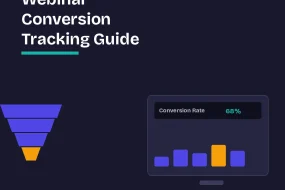
Measure performance at different stages of the attendee journey. Registration conversion can reveal how effectively a landing page turns visitors into registrants. Attendance rate indicates how many registrants join the session, while post-webinar conversion shows whether attendees take the desired next step.
If registrations are low, review your topic, audience targeting, promotional message, and landing page. If registration numbers are healthy but attendance is weak, examine reminder emails, scheduling, and the perceived value of attending live. If attendees participate actively but rarely convert, consider whether your content addresses their needs and whether the next step is relevant and clearly explained. Businesses selling products online can also improve the broader customer journey by reviewing ecommerce web development and online store performance. A well-designed website and straightforward purchasing process can help reduce friction when webinar attendees move from learning about an offer to making a purchase. Continuous analysis allows businesses to identify weaknesses, test improvements, and allocate resources more effectively. The objective is not simply to increase every number but to generate better outcomes from the audience and budget available.
Webinar Marketing Best Practices
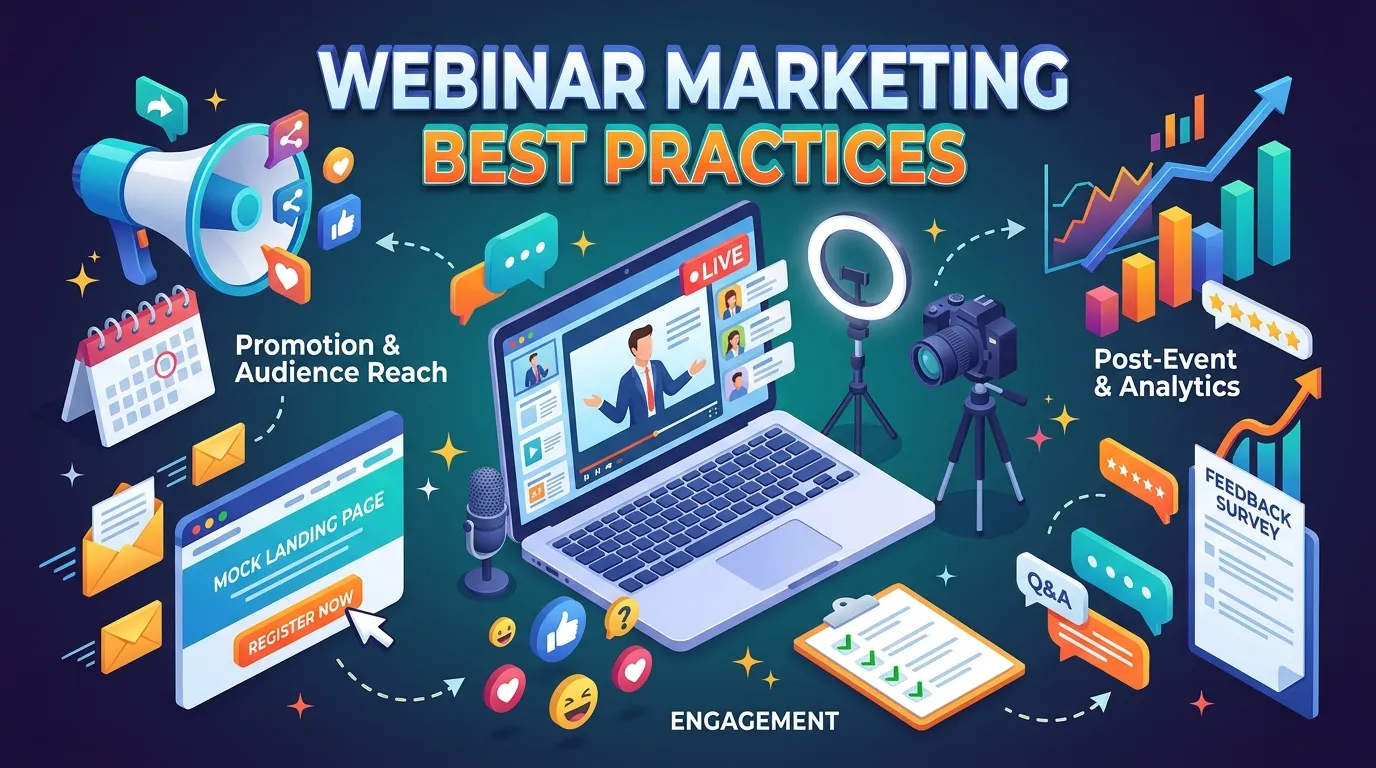 Successful webinars depend on coordination, preparation, and continuous improvement. Businesses should treat each event as part of a larger marketing system rather than a one-time presentation. This makes it easier to connect audience research, promotional campaigns, lead management, and conversion tracking. The first best practice is to set measurable objectives. Decide whether the webinar should generate leads, educate customers, support product adoption, or create sales opportunities. Next, develop content that directly supports that objective and offers clear value to the intended audience.
A reliable webinar marketing strategy also includes technical preparation. Test the platform, microphone, camera, slides, registration process, and audience interaction features before the event. Prepare a backup plan for technical difficulties and ensure that speakers understand their responsibilities. After the webinar, review performance against your original objectives. Analyze registrations, attendance, engagement, audience feedback, qualified leads, and conversions. Compare these results with previous events where possible to identify meaningful changes.
Use the findings to improve future campaigns. Strong audience engagement may suggest that interactive elements should be expanded, while low registration conversion may indicate that the landing page needs attention. Feedback can also reveal new topics that deserve dedicated webinars. Finally, maintain a consistent focus on audience value. Avoid excessive promotional messaging, respect subscriber preferences, and make follow-up communications relevant. When planning, promotion, content, and measurement work together, businesses can build a repeatable process for attracting prospects, strengthening relationships, and supporting sustainable growth.
Conclusion
A successful webinar marketing strategy combines valuable content, effective promotion, audience engagement, and consistent follow-up. By understanding your target audience, optimizing registration pages, using email marketing, and tracking important performance metrics, you can attract qualified leads and improve conversions. Webinars also help businesses build trust, demonstrate expertise, and strengthen customer relationships. Continuously analyzing results and improving your approach will help you create more engaging webinars and achieve long-term marketing success.
FAQ
1. What is webinar marketing?
Webinar marketing is the process of using online seminars to educate audiences, promote expertise, generate leads, build relationships, and support business growth. It typically includes planning, promotion, registration, presentation, and follow-up activities.
2. Why is webinar marketing important?
Webinar marketing allows businesses to communicate directly with potential customers, explain complex subjects, demonstrate solutions, and answer questions in real time. It can also support lead generation and customer education when the content matches audience needs.
3. How do you create an effective webinar marketing strategy?
Start by defining your audience and business objective. Choose a relevant topic, prepare useful content, build a clear registration page, promote the event through appropriate channels, and plan follow-up communication. Measure results to improve future campaigns.
4. How far in advance should you promote a webinar?
For many webinars, beginning promotion two to four weeks in advance provides time to reach the audience and send reminders. Larger events or webinars targeting new audiences may benefit from a longer promotional period.
5. Which channels are best for webinar promotion?
Email marketing, social media, organic search, relevant blog content, partnerships, and paid advertising can all support webinar promotion. The best combination depends on where your target audience spends time and how they discover educational content.
6. How can webinars generate qualified leads?
Choose topics that address specific customer challenges, use a simple registration form, and collect relevant information with permission. During and after the webinar, use engagement signals and follow-up interactions to identify prospects who may benefit from your products or services.
7. How can you increase webinar attendance?
Send confirmation emails and timely reminders, communicate the benefits of attending live, make joining instructions clear, and schedule the event at a convenient time for your audience. Providing useful content and a reliable technical experience can also improve attendance.
8. What metrics should you track for webinar performance?
Important metrics include landing-page conversion rate, registrations, attendance rate, engagement, average viewing duration, qualified leads, follow-up clicks, and conversions. Select metrics that correspond to the webinar’s primary objective.
9. How long should a marketing webinar last?
Many marketing webinars work well within 30 to 60 minutes, depending on the topic and audience. Allow enough time to explain the subject, demonstrate key ideas, and answer questions without extending the session unnecessarily.
10. How can you improve webinar marketing results over time?
Review performance data and audience feedback after every event. Test different topics, promotional messages, registration pages, email sequences, and presentation formats. Use these findings to improve the attendee experience and achieve stronger business outcomes.

Webinar email marketing
Webinar Lead Generation
Webinar Marketing
Webinar Promotion
webinar strategy




No Comments