


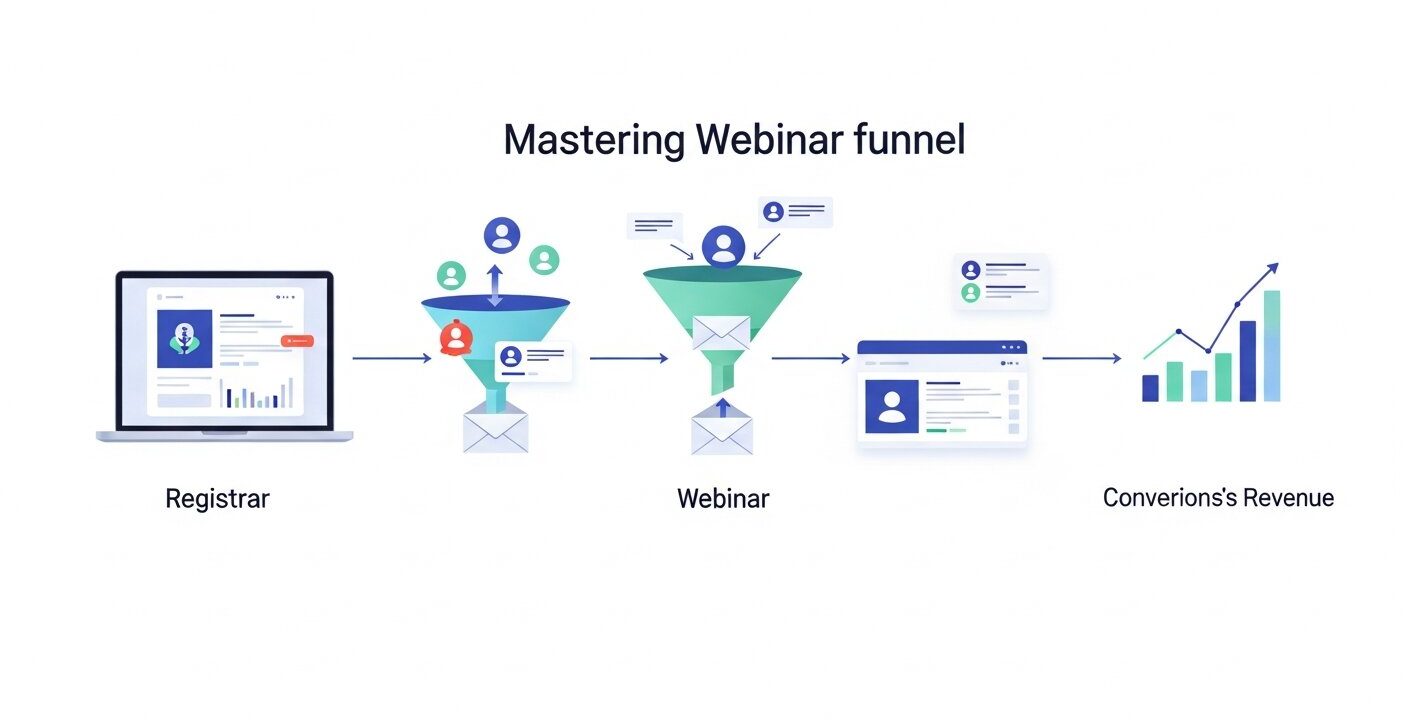
Hosting a digital presentation is one of the most effective ways to connect with potential customers, showcase your expertise, and drive meaningful sales. People love learning from experts, and giving them a dedicated space to hear your insights builds immense trust. However, getting people to show up and eventually buy requires much more than simply sending out a Zoom link. You need a systematic approach to guide them through the entire journey.
This systematic approach is your webinar funnel. From the moment someone sees your ad or social media post to the days following your live presentation, every interaction should be carefully designed to move them closer to a purchasing decision. A poorly designed sequence will lose potential buyers at the registration page, while a well-crafted one will maximize attendance and sales.
Building a high-converting webinar funnel might seem complicated, but it becomes incredibly manageable once you break it down into distinct phases. By focusing on targeted marketing, seamless registration, engaging content, and strategic follow-ups, any business can transform a simple online seminar into a powerful revenue engine. This guide will walk you through everything you need to know to create, automate, and optimize your own system.
Crafting a Webinar Funnel Marketing Strategy
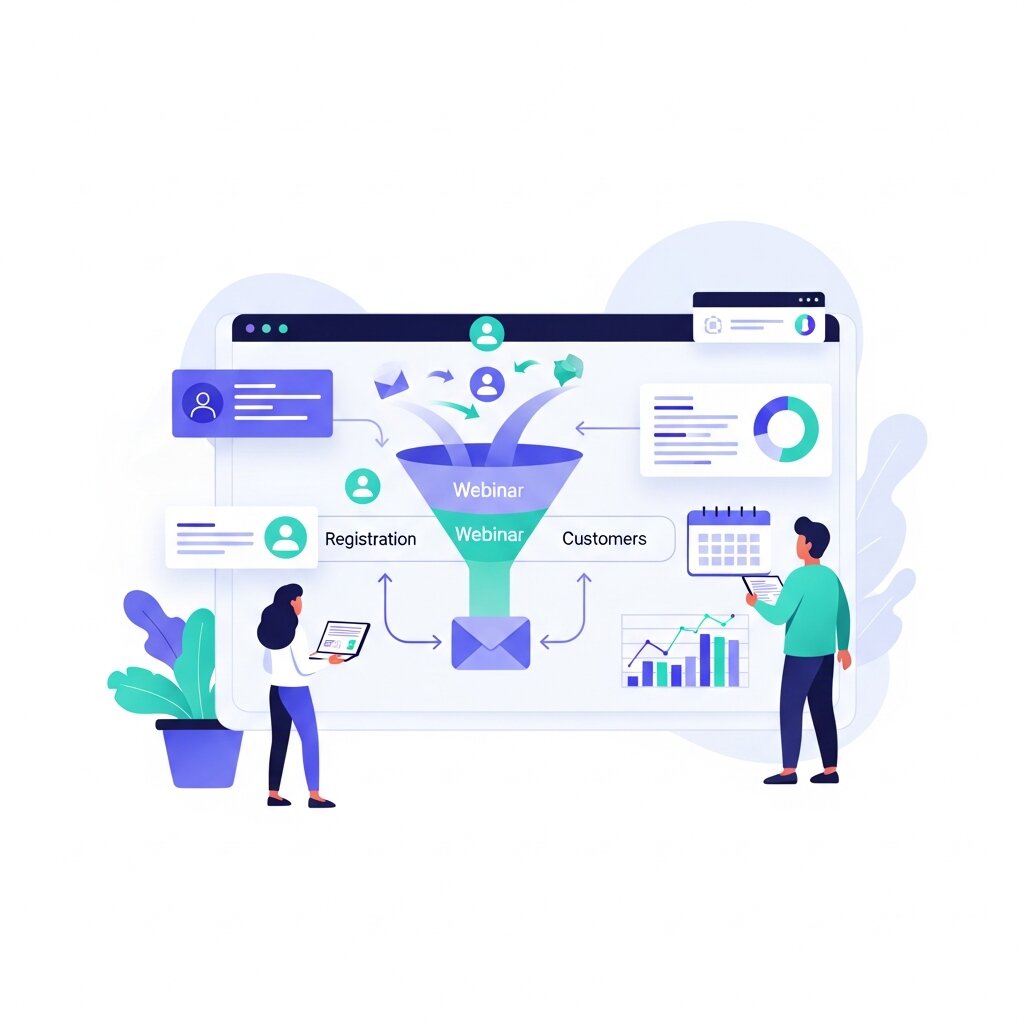
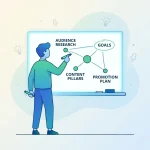
A successful webinar funnel marketing strategy starts long before you ever go live. You must intimately understand who you are speaking to and what specific problem you are solving for them. Your presentation needs a compelling hook. People will only trade an hour of their time if they believe the payoff will be substantial.
Identify the core pain points of your target audience and craft a presentation title that promises a direct solution. Once your core messaging is locked in, you can begin distributing this message across your marketing channels. Paid advertising, organic social media content, and email marketing to your existing list all play a crucial role in filling the top of your funnel.
Webinar Funnel for Lead Generation
Many businesses use a webinar funnel for lead generation rather than immediate sales. This approach works exceptionally well for software companies, consulting firms, and service providers. It is especially effective when combined with why webinars are effective for B2B lead generation techniques that focus on education-first marketing.
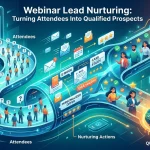
By offering a highly valuable educational session for free, you attract people who are actively looking to solve a problem related to your industry. As they register, you capture their email addresses. During the webinar, you can gauge their interest level through polls and Q&A sessions. Afterward, your sales team can follow up with the most engaged attendees, turning warm leads into booked consultation calls.
Step by Step Webinar Funnel Creation
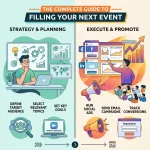
Understanding how to build a high-converting webinar funnel requires looking at the mechanics of the journey. Here is a step-by-step webinar funnel creation process to ensure you do not miss any critical elements.
Webinar Registration Funnel Tactics
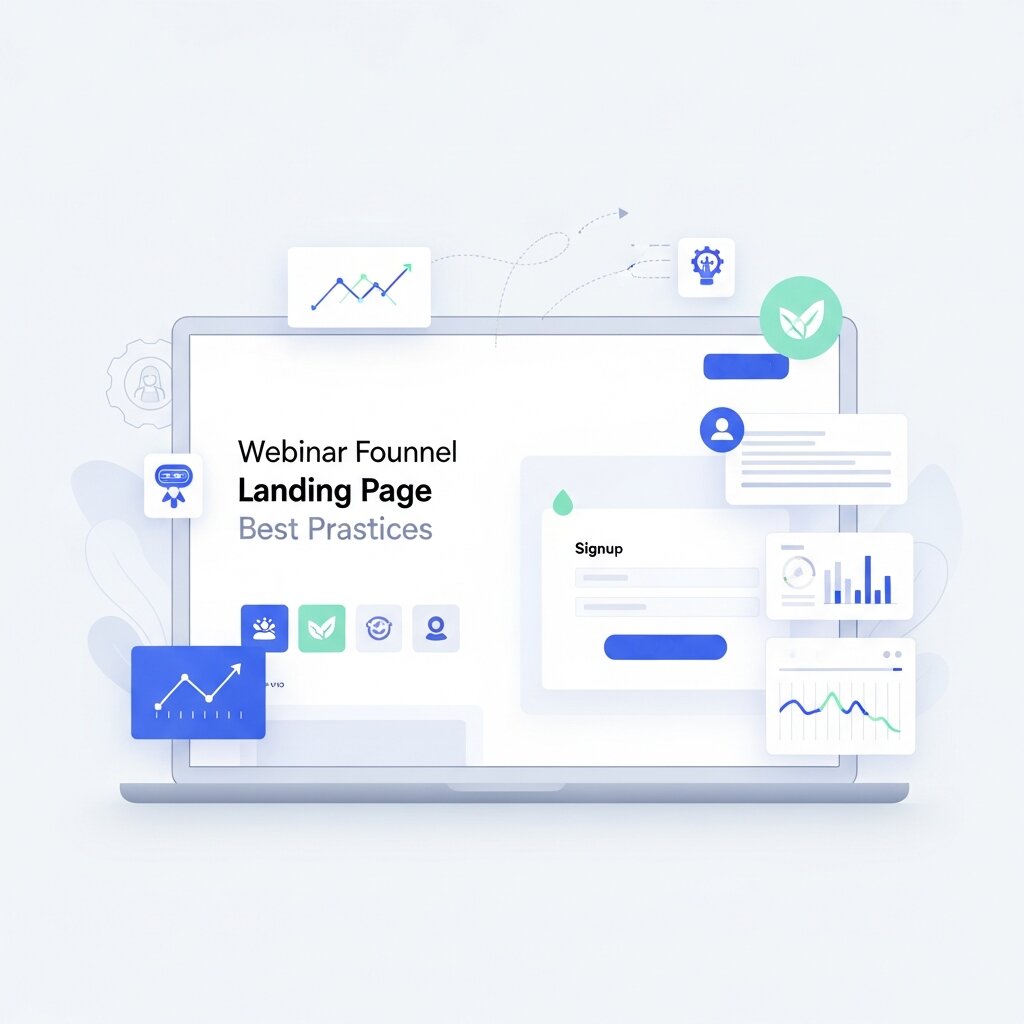
The first major hurdle is getting a visitor to register. Your landing page must be clean, fast, and highly persuasive. Focus on a strong headline, bullet points detailing exactly what attendees will learn, and a clear call-to-action button. Use urgency and scarcity sparingly but effectively, perhaps by capping the number of live attendees or adding a countdown timer to the broadcast date.
High Ticket Webinar Funnel Structure
If you are selling a premium product or service, your high-ticket webinar funnel structure needs a slightly different approach. Instead of sending attendees directly to a checkout page after the pitch, you will typically direct them to book a discovery call. The webinar builds the necessary authority and desire, while the one-on-one call handles objections and closes the high-ticket sale.
Automated Webinar Funnel Setup
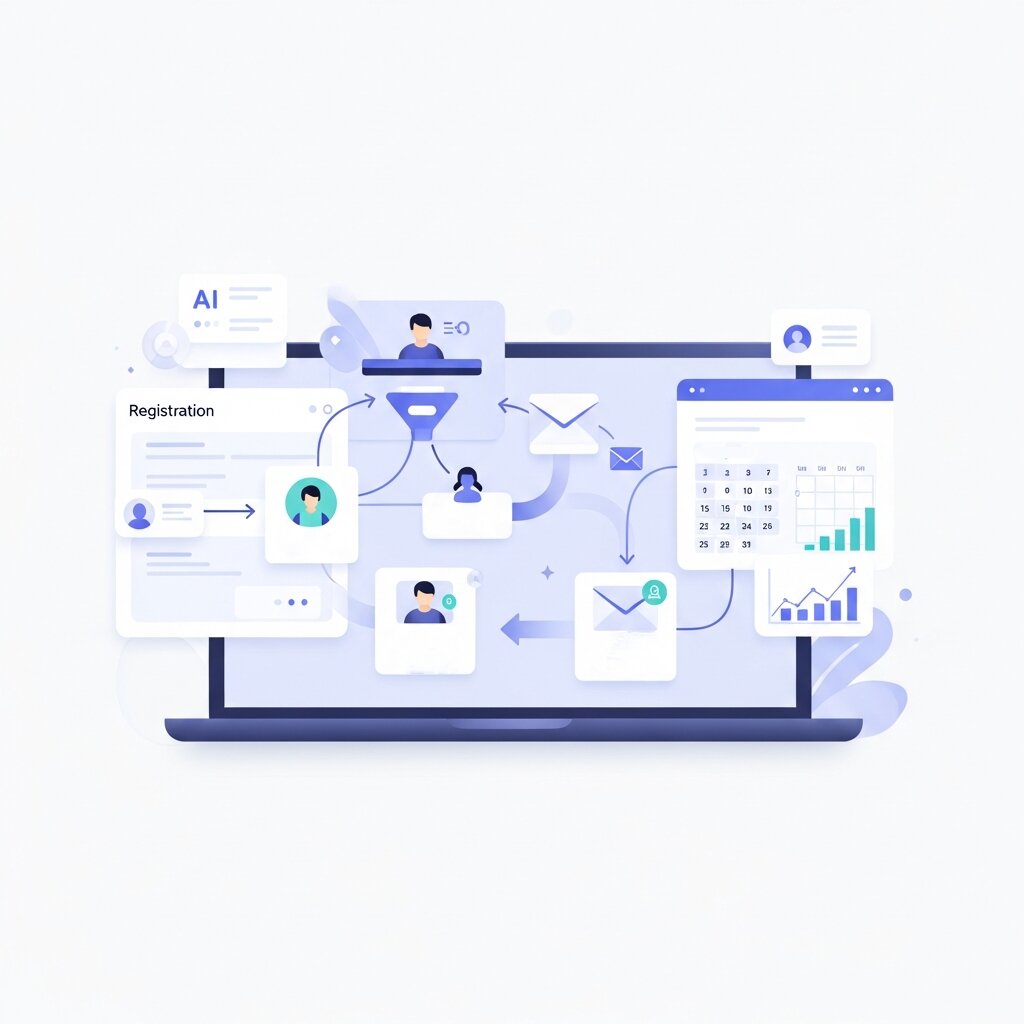
Running live presentations every week can quickly lead to burnout. Once you have a presentation that consistently converts, it is time to transition to an automated webinar funnel setup. This involves recording your best live performance and using software to play it back for new registrants at scheduled times or on-demand.
An evergreen webinar funnel system allows you to generate leads and sales around the clock. To make this work, remove any time-sensitive references from your presentation. Make sure your automated email sequences trigger precisely based on when the user registers and attends. Even though the presentation is pre-recorded, the value delivered remains completely real to the attendee.
Once you have a presentation that consistently converts, it is time to transition to an automated webinar funnel setup. Many marketers scale faster by implementing evergreen webinar funnel automation systems that run continuously without manual hosting.
Webinar Sales Funnel Optimization
Building the system is only the first phase. Continuous webinar sales funnel optimization is what separates average campaigns from highly profitable ones. You need to track data at every single touchpoint. Look at your landing page conversion rate, your email open rates, your live attendance rate, and finally, your sales conversion rate.
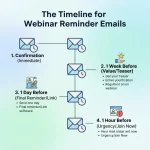
If your registration numbers are low, test new headlines and ad creatives. If people are registering but not showing up, improve your pre-webinar reminder emails. For better webinar funnel conversion rate tips, pay close attention to audience drop-off times during the presentation. If you notice a mass exit right before your pitch, you may need to smooth out the transition between the educational content and the sales offer.
Frequently Asked Questions
What exactly is a webinar funnel?
A webinar funnel is a structured marketing campaign designed to attract visitors, register them for an online presentation, ensure they attend, and eventually convert them into customers through a specific offer.
How long should a webinar last?
Most successful promotional webinars last between 45 and 90 minutes. This typically includes 45 minutes of educational content, a 15-minute sales pitch, and a 15-minute Q&A session.
What is the best day to host a live webinar?
Mid-week days like Tuesday, Wednesday, and Thursday generally see the highest attendance rates. Mondays are often too busy, and Fridays see significant drop-offs as people prepare for the weekend.
How much does it cost to build a webinar funnel?
Costs vary widely depending on the software you choose and your advertising budget. Basic funnel software can start around $100 per month, while paid advertising to drive traffic can scale from a few hundred to thousands of dollars.
Do I need to be on camera for a webinar?
While being on camera helps build trust and connection, it is not strictly required. Many successful webinars use slide decks with a voiceover, only showing the presenter’s face briefly at the beginning and end.
What software is best for automated webinars?
Popular platforms for evergreen and automated webinars include EverWebinar, Demio, and EasyWebinar. These tools simulate the live experience and handle scheduling seamlessly.
How many emails should be in a webinar follow-up sequence?
A standard follow-up sequence includes 3 to 5 emails sent over a few days. These emails should include a replay link, overcome common objections, and remind attendees of the offer deadline.
What is a good conversion rate for a webinar funnel?
A healthy registration page converts at 20% to 30%. Of those who register, a 30% attendance rate is standard. From the live attendees, a sales conversion rate of 5% to 10% is considered very strong.
Can I use a webinar funnel for low-ticket products?
Yes, but the profit margins can be tight if you are paying for ads. Webinars are typically best suited for products or services priced at $297 or higher to absorb the cost of customer acquisition.
How do I drive traffic to my webinar registration page?
You can drive traffic using Facebook and Instagram ads, YouTube pre-roll ads, LinkedIn outreach, organic social media promotion, and emailing your existing subscriber base.
What is an evergreen webinar funnel?
An evergreen funnel runs continuously on autopilot. Users can register and watch a pre-recorded presentation at their convenience, allowing you to generate leads and sales without hosting live events.
How do I keep attendees engaged during the presentation?
Ask questions and encourage attendees to type their answers in the chat. Use polls, share compelling stories, and promise a special bonus for those who stay until the very end of the broadcast.
Should I offer a replay of my live webinar?
Yes, offering a replay is highly recommended. Many people who register will not be able to attend live due to scheduling conflicts. A replay period of 48 to 72 hours creates urgency while capturing missed sales.
How long should the promotional period be before the webinar?
Begin promoting your live event 7 to 10 days in advance. Promoting too early leads to high registration numbers but terrible attendance rates, as people forget they signed up.
What are the biggest mistakes people make with webinar funnels?
Common mistakes include teaching too much without creating a need for the product, having a confusing registration page, and failing to send adequate reminder emails before the event begins.
Launch Your Next Great Campaign
A well-executed webinar funnel is an asset that can serve your business for years. By prioritizing the needs of your audience and delivering genuine value upfront, you naturally position your product or service as the logical next step. Focus on getting the structure right, test your messaging, and do not be afraid to make adjustments based on the data you collect.
Take the time to map out your user journey, write compelling copy for your registration pages, and practice your presentation. Once your system is up and running, you will have a reliable, scalable method for bringing new customers into your ecosystem month after month.





No Comments