



You spend weeks preparing the perfect presentation. You build the slides, practice your delivery, and set up the technical backend. Then launch day arrives. A few people register, fewer actually show up, and nobody buys at the end. It is a frustrating cycle that leaves many marketers wondering if hosting virtual events is really worth the effort.
The disconnect usually comes down to one critical metric. Your webinar conversion rates dictate the success or failure of your entire campaign. When you understand how to guide people smoothly from discovering your event to making a purchase, your results will change dramatically.
Improving your numbers requires a systematic approach. You need to look at every step of the journey, from the first ad they click to the final follow-up email they receive. Small tweaks at each stage compound into massive gains at the end of the line.
By applying proven webinar conversion rate optimization strategies, you can turn a low-performing presentation into a highly profitable asset. We will explore exactly how to optimize your landing pages, increase attendance, and maximize your sales pitch to generate more revenue.
Webinar Lead Generation Best Practices

Getting the right people into your funnel is the foundation of high webinar conversion rates. If you target the wrong audience, no amount of optimization will save your sales pitch. Start by clearly defining who your presentation is for and what specific problem it solves for them.
Focus your marketing efforts on platforms where your ideal attendees spend their time. LinkedIn works exceptionally well for B2B topics, while Facebook and Instagram might be better for consumer-focused events. Use a mix of organic content and paid advertising to cast a wide but highly targeted net. Ensure your ad copy speaks directly to the pain points your event will address.
Landing Page Optimization for Webinars
Your registration page has one job. It must convince visitors to hand over their contact information in exchange for your expertise. Keep the design clean and remove any navigation links that might distract them from the registration form.
Write a compelling headline that promises a specific, measurable result. Follow this with a short bulleted list of three to four key takeaways they will learn during the session. Include social proof, such as testimonials from past attendees or logos of companies you have worked with. Finally, make the call-to-action button highly visible and use action-oriented text like “Save My Seat” rather than a generic “Submit”.
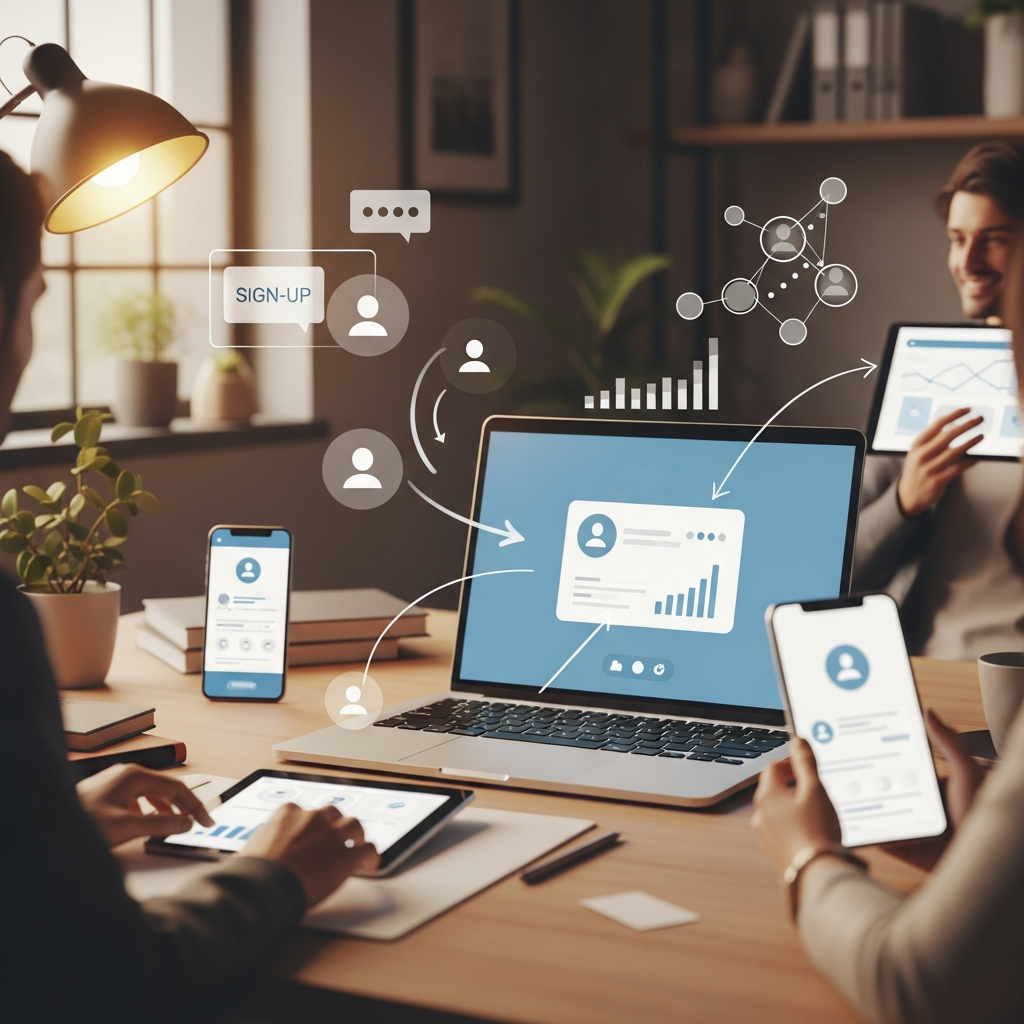
A high registration count means nothing if nobody shows up to the live room. Increasing your webinar attendance conversion requires proactive communication in the days leading up to the event. The moment someone registers, send them a confirmation email containing a direct link to add the event to their digital calendar.
Create a sense of anticipation. Send a short video from the presenter teasing a specific strategy they will share. You can also provide a small piece of “homework” or a downloadable worksheet for them to bring to the live session. This creates a psychological commitment that makes them much more likely to show up.
Email Marketing for Webinar Conversions
Your email sequence is the glue that holds your entire campaign together. A strong email marketing strategy for webinar conversions covers both pre-event reminders and post-event follow-ups. You can explore deeper frameworks in this master webinar email sequences guide.
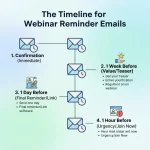
Schedule your reminder emails strategically. Send one the day before the event, one on the morning of the event, and a final alert 15 minutes before you go live. After the presentation concludes, segment your list based on their behavior. Send different messaging to those who attended and bought, those who attended but did not buy, and those who missed the event entirely. Tailoring your follow-up based on their actions significantly improves your closing percentage.
Webinar Engagement and Conversion Tactics
Bored attendees do not buy products. Keeping your audience engaged from the first minute to the last is crucial. Start strong by asking attendees to type their location or industry into the chat box immediately. This trains them to interact with the platform early on.
Incorporate polls every 10 to 15 minutes to take the pulse of the room and keep attention levels high. Share relatable stories that illustrate your teaching points. When attendees feel seen and understood, they build trust with you. That trust translates directly into higher webinar conversion rates when you transition to your pitch.
Webinar Sales Conversion Techniques

The transition from teaching to selling is where many presenters stumble. Instead of awkwardly shifting gears, frame your offer as the natural next step for those who want to implement what they just learned faster and easier.
Clearly articulate the value of your product or service. Stack the bonuses to make the offer irresistible, and introduce a genuine element of scarcity or urgency. This could be a discount that expires at midnight or a limited number of strategy calls available to the first buyers. Always provide a clear, easy-to-read link on the screen and drop it directly into the chat box. Structuring this properly often follows principles found in a strong webinar sales funnel framework.
High Converting Webinar Marketing Funnels
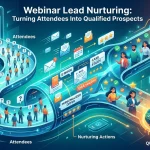
A standalone presentation rarely maximizes your revenue potential. You need a comprehensive marketing funnel that nurtures leads before, during, and after the event. High converting webinar marketing funnels often start with a low-barrier lead magnet that logically leads into the webinar invitation.
Once the webinar ends, the funnel continues. Retarget non-buyers with ads featuring testimonials about the product you pitched using proven webinar retargeting ad strategies. Direct them to a replay page that includes a countdown timer aligned with your cart close date. By surrounding your prospects with value and strategic reminders, you capture sales from people who need a little more time to decide.
Webinar Funnel Optimization Strategies
Optimization is an ongoing process. To consistently improve your webinar conversion rates, you must track your data meticulously. Identify where the biggest drop-offs occur. Are people visiting the registration page but not signing up? Are they registering but not attending? Are they staying for the whole presentation but dropping off right at the pitch?
Once you identify the weak link, run A/B tests to fix it. Test different landing page headlines, adjust the timing of your reminder emails, or tweak the phrasing of your final offer. Change only one variable at a time so you know exactly what caused any improvement or decline in performance.
Building Authority to Improve Webinar Conversion Rates
Authority plays a critical role in influencing webinar conversion rates, as attendees are far more likely to trust and purchase from someone they view as credible and experienced. When your audience believes you understand their problems and have successfully solved them before, they become more open to your recommendations.
You can build authority by sharing relevant experience, presenting real results, or demonstrating your expertise early in the webinar. This might include quick case studies, success metrics, or brief stories that highlight your knowledge. However, it’s important to present this information in a natural and value-driven way rather than making it feel overly promotional.
When authority is established alongside genuine value, it creates a strong sense of trust. This trust reduces skepticism and hesitation, which ultimately leads to higher webinar conversion rates and better audience engagement throughout the session.
Timing and Pacing Strategies for Better Webinar Conversion Rates
Timing and pacing are essential elements that directly impact audience engagement and overall webinar conversion rates. If a webinar moves too quickly, attendees may feel overwhelmed and fail to absorb key points. On the other hand, if it moves too slowly, they may lose interest and drop off before reaching the offer.
A well-structured webinar uses pacing to build momentum. It begins with a strong hook to capture attention, followed by valuable insights delivered in a clear and engaging rhythm. Each section should flow naturally into the next, maintaining energy while gradually increasing anticipation.
Strategic pauses, storytelling, and interactive elements can help keep attendees engaged. As the webinar progresses, the pacing should guide the audience smoothly toward the offer, ensuring they are both informed and emotionally ready to take action. When done correctly, effective timing and pacing significantly improve webinar conversion rates.
Post-Webinar Retargeting to Maximize Webinar Conversion Rates
Many marketers miss a major opportunity by stopping their efforts once the webinar ends. In reality, post-webinar follow-up is one of the most effective ways to boost webinar conversion rates.
Not every attendee will convert immediately, and that’s completely normal. This is where retargeting becomes powerful. By using retargeting ads on platforms like Facebook and Google, you can reconnect with individuals who attended or showed interest but didn’t take action.
These follow-ups can include reminders, testimonials, limited-time offers, or additional value-driven content that reinforces your message. The goal is to stay top-of-mind and address any remaining objections or doubts.
When done strategically, post-webinar retargeting captures missed opportunities and turns warm leads into customers—significantly increasing your overall webinar conversion rates without needing additional traffic.
Frequently Asked Questions
What is a good registration page conversion rate?
A strong landing page should convert between 20% and 40% of its visitors into registrants. If you are running highly targeted traffic from a warm audience, this number can be even higher.
What is the average webinar attendance rate?
Typically, you can expect 30% to 40% of your registrants to show up live. This varies based on your industry and how effectively you communicate prior to the event.
What is a good webinar sales conversion rate?
A successful presentation usually converts between 5% and 15% of live attendees into buyers. Premium ticket items may convert at a lower percentage, while lower-priced offers often see higher volume.
How long should a webinar last?
Most successful events run between 45 and 60 minutes. This allows roughly 30 to 40 minutes for educational content and 15 to 20 minutes for the pitch and Q&A session.
What is the best day of the week to host a webinar?
Tuesdays, Wednesdays, and Thursdays generally yield the highest attendance rates for B2B audiences. Mondays are often too busy, and Fridays see a significant drop in focus.
What is the best time of day to host?
Mid-morning or early afternoon in your target audience’s primary time zone tends to work best. 11:00 AM or 2:00 PM are historically strong time slots.
Should I offer a replay?
Yes. Sending a replay link allows you to capture sales from the 60% to 70% of registrants who could not make the live session.
How long should the replay be available?
Creating urgency is important. Leaving the replay up for 48 to 72 hours encourages people to watch it quickly rather than putting it off indefinitely.
Do automated webinars convert as well as live ones?
Live events generally have higher conversion rates because of the real-time energy and interaction. However, automated webinars offer scalability and can still perform very well if the funnel is optimized.
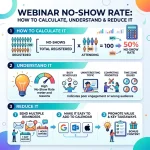
How do I reduce the number of no-shows?
Send calendar invites immediately upon registration, utilize SMS reminders if you collected phone numbers, and tease exclusive live-only bonuses.
Should I offer an incentive just for attending?
Offering a free resource or template at the end of the presentation is a great way to keep people engaged until the pitch begins.
Why are people dropping off during my pitch?
This usually happens if the transition feels abrupt or if the offer does not closely align with the educational content you just delivered. Ensure your product is the logical solution to the problem you discussed.
How many follow-up emails should I send?
A typical post-webinar sequence includes three to five emails over the course of a few days, ending when your special offer expires.
What metrics should I track most closely?
Monitor your landing page conversion rate, show-up rate, retention rate (how long they stay on), and final sales conversion rate.
How can I improve audience engagement?
Use interactive features like polls, ask frequent questions that require chat responses, and call out attendees by name when they participate.
Turn Your Next Virtual Event Into a Revenue Engine
Mastering webinar conversion rates takes patience, testing, and a willingness to adjust your approach based on data. By optimizing your landing pages, sending strategic email sequences, and keeping your audience deeply engaged, you can transform your virtual events into a reliable source of new business.
Start by auditing your current process. Pick one specific area, like your registration page or your reminder emails, and apply the strategies outlined above. Small, calculated adjustments will quickly elevate your results and help you scale your revenue.



No Comments