


In today’s digital landscape, achieving webinar success requires more than just hitting the “live” button. With audiences juggling multiple screens and competing demands, crafting an experience that engages, educates, and converts has become both an art and a science. Currently, businesses and educators alike rely on webinars to share insights, showcase products, and build communities. In this comprehensive guide, we’ll explore proven strategies to elevate every stage of your webinar planning and execution. Whether you’re aiming to generate high-quality leads, reinforce brand authority, or foster meaningful conversations, these tactics will help you stand out in a crowded online event marketplace.
Throughout this article, you’ll discover how to select the optimal webinar format, craft compelling titles, promote effectively across channels, drive real-time engagement, and turn each event into an ongoing marketing engine. We’ll also highlight key metrics to measure success and share external resources—such as the Pew Research Center and the Marketing Science Institute—to deepen your understanding of audience behavior and digital trends. By following these tactics, you’ll build a repeatable framework for consistent webinar success this year.
Selecting the Right Format for Webinar Success
Choosing an ideal format lays the foundation for a memorable event. Not all audiences respond the same way, and your objectives—whether lead generation, thought leadership, or sales enablement—should guide the decision. The most popular formats include live panel discussions, product demonstrations, expert presentations, fireside chats, and interactive Q&A sessions. Each serves a distinct purpose:
Live Expert Panels
Panels bring multiple perspectives together, fostering credibility through diverse voices. To maximize impact, invite panelists with complementary expertise and share moderator responsibilities. Conduct a technical run-through to ensure seamless transitions between speakers and limit each segment to 10–15 minutes to maintain audience attention.
Product Demonstrations
Demonstrations excel at showcasing features in real time. Structure your demo around a clear narrative: identify a customer pain point, unveil your solution, and conclude with quantifiable outcomes. Incorporate live troubleshooting to anticipate common questions and underscore real-world applicability.
Interactive Q&A and Fireside Chats
Fireside chats offer an intimate, conversational tone, ideal for thought leadership. Meanwhile, Q&A sessions create direct dialogue and help identify lead quality. Use polling tools at key junctures to gather questions in advance and prioritize them via upvoting.
Blending formats often amplifies engagement. For instance, start with a 20-minute expert presentation, transition into a 15-minute product demo, and wrap up with a 25-minute live Q&A. Conduct a pilot run with internal staff to refine timing, slide transitions, and technical setups. This preparatory rehearsal is critical for ensuring every format element aligns with your overarching webinar success goals.
Crafting Irresistible Topics and Titles
 Your webinar title and topic serve as the doorway to registration. To drive attendance and signal value, a title must be both specific and outcome-focused. Generic phrases will blend into crowded inboxes, while action-oriented language captures attention and sets clear expectations.
Be Precise and Benefit-Driven
Focus on the end result: rather than “Improve Conversion Rates,” try “Cut Lead Conversion Time by 40% Using Proven Automation Tactics.” Specific percentages, timeframes, or step counts make promises tangible. Audiences quickly assess if the content aligns with their needs before committing.
Incorporate Numbers and Keywords
Studies from institutions like the Pew Research Center confirm that numerals boost click-through rates by establishing structure and credibility. Weave your focus keyword, such as “webinar success,” into the headline, subheadings, and supporting text to optimize for search engines and signal relevance.
Headline Testing and Optimization
Use A/B tests across email subject lines or landing page headlines to identify high-performing variants. Track metrics like open rates, click-through rates, and form completions. Rotate titles every one to two weeks before the event to gather statistically significant insights.
Beyond headlines, the webinar description should highlight three core elements: what participants will learn, who will lead the session, and why registering today provides an advantage. Including early-bird offers or limited spots can spur urgency and boost conversions. When your topic and title clearly communicate value, you set the stage for robust registration numbers and sustained webinar success.
Multi-Channel Promotion Strategies
Effective promotion is a multi-pronged effort that ensures your webinar message reaches target audiences wherever they engage online. The key channels include email marketing, social media, paid advertising, and strategic partnerships. By coordinating these tactics and tracking performance, you can optimize spend and maximize attendance.
Email Marketing Best Practices
Segment your email list into categories such as prospects, current customers, and dormant leads. Tailor messaging to each group: prospects may need an overview of benefits, while existing customers appreciate advanced tips. Use a drip sequence of 3–5 emails, mixing educational content, testimonials, and clear calls-to-action to register.
Social Media Outreach
Leverage platform-specific content. Create short, captioned videos for LinkedIn featuring speaker highlights. Publish teaser graphics on Instagram Stories with countdown stickers. For Twitter, share compelling facts or poll questions related to your topic. Use relevant hashtags and tag industry influencers to widen reach.
Paid Advertising and Retargeting
Run sponsored posts and display ads targeting lookalike audiences based on your customer database. Set up retargeting campaigns for website visitors who viewed your webinar landing page but did not register. Include strong visual elements, concise copy, and a direct registration link.
Partnerships and Co-Marketing
Collaborate with complementary brands, industry associations, or influencers. Co-hosting a webinar allows you to tap into each other’s networks. Offer joint incentives like exclusive eBooks or discount codes for attendees. Cross-promote on partner newsletters and social media, ensuring both parties track registrations via unique UTM parameters.Throughout your promotion window, measure key indicators—email open and click rates, ad impressions and clicks, social engagement metrics, and registration sources. Leverage analytics dashboards or Google Analytics to identify top-performing channels. Redirect budget toward high-impact tactics to sustain momentum and guarantee lasting webinar success.
Driving Engagement During Your Webinar
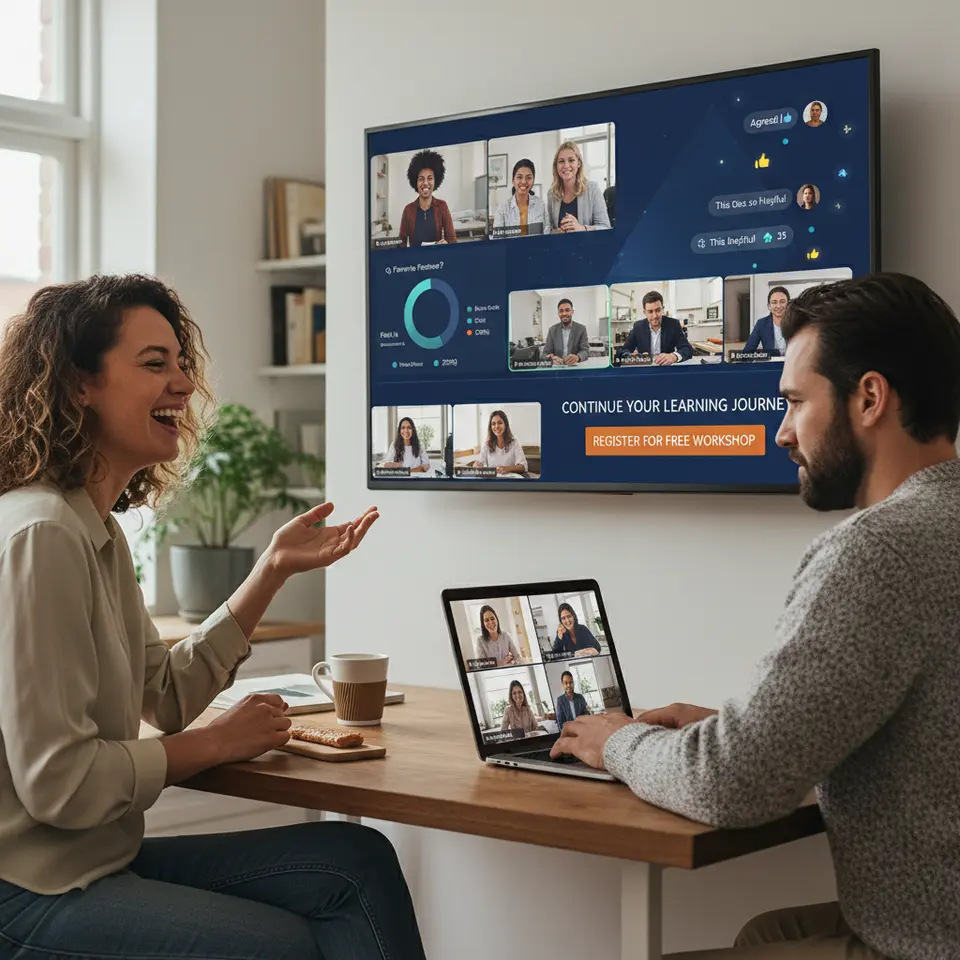 Once attendees join, your ability to capture and maintain their attention determines webinar success. Interactive elements transform passive viewing into active participation and foster stronger connections with your brand. From polls and quizzes to breakout discussions, each tactic should serve a clear purpose.
Real-Time Polling and Quizzes
Begin with an opening poll to understand audience demographics or experience level. Use mid-session quizzes to reinforce key takeaways and gauge comprehension. Poll results can dynamically shape the conversation and demonstrate that you’re addressing questions on the fly.
Dedicated Moderation and Live Chat
Assign a dedicated moderator to filter questions, highlight recurring themes, and relay urgent issues to speakers. Encourage participants to upvote chat queries, ensuring the most popular topics receive attention. A moderator can also share resources during the session, such as links to whitepapers or registration for follow-up workshops.
Breakout Rooms and Hands-On Workshops
For larger events, divide attendees into smaller groups for focused discussions or problem-solving exercises. Provide clear instructions and assign facilitators to guide each room. Hands-on workshops—showing step-by-step use of tools or templates—allow participants to apply concepts immediately.
Compelling Closing and Call-to-Action
End with a brief live demonstration or customer success story. Reinforce the primary benefits discussed and transition smoothly into your offer: whether it’s signing up for a free trial, scheduling a consultation, or downloading an exclusive toolkit. Incorporate a time-sensitive incentive to spur immediate action.Engagement metrics—poll participation rate, chat message count, and breakout attendance—offer valuable insight into audience interest. By weaving interactive elements throughout your presentation, you not only boost satisfaction but also gather rich data to fuel continuous improvement and future webinar success.
Post-Webinar Follow-Up and Repurposing
Your webinar remains a powerful asset after the live event concludes. A strategic follow-up sequence combined with content repurposing can extend reach, nurture leads, and drive long-term webinar success. Map out a plan that reactivates registrants, re-engages absentees, and utilizes core content for broader campaigns.
Immediate Email Follow-Up
Within 24 hours, send a “thank you” email with a replay link and key resources such as slide decks, relevant eBooks, or case studies. A rapid response leverages participants’ heightened interest and ensures your content stays top of mind.
Segmentation and Lead Nurturing
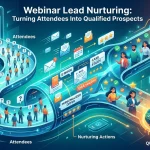
Differentiate messaging for attendees, no-shows, and registrants who joined late. Attendees may receive an invitation to advanced workshops, while absentees get a replay link and highlights reel. Use lead-scoring to identify high-potential contacts and prioritize sales outreach with personalized offers.
Content Repurposing Tactics
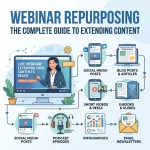
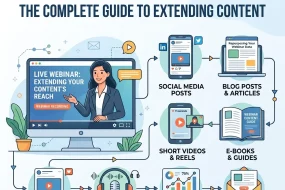
Break your webinar into multiple blog posts, each expanding on a key section to boost SEO and drive organic traffic. Create short video clips—30 to 60 seconds—featuring top insights for social media distribution. Design infographics or slide decks for SlideShare and LinkedIn, increasing your content’s visual appeal and shareability.
Marketing Automation and CRM Integration
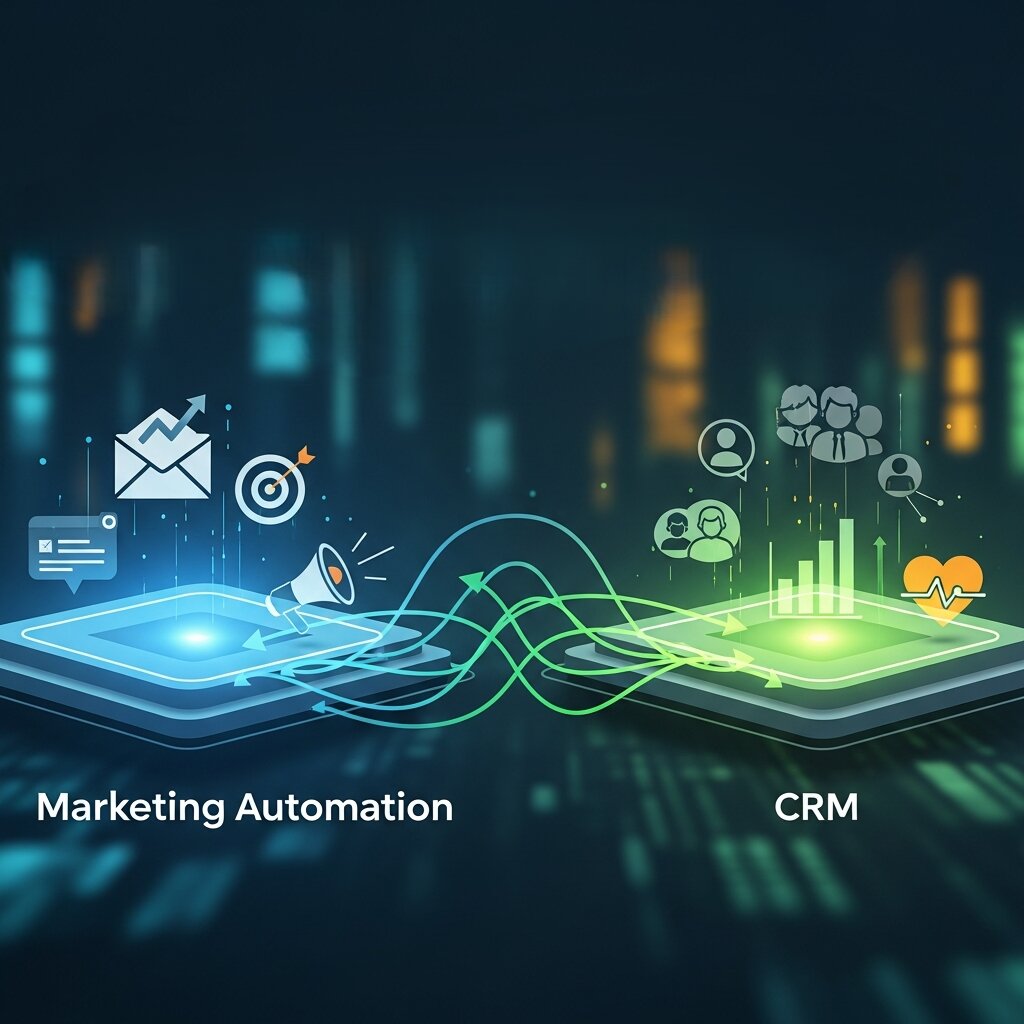 Automate your follow-up workflows within your marketing automation or CRM platform. Trigger nurture sequences based on engagement milestones—such as poll participation or page views—to deliver tailored content at optimal intervals. Automated reminders for upcoming related events can further nurture leads through the buyer’s journey.
By systematically following up and repurposing your webinar content, you convert a single online event into a multi-touch campaign that fuels sustained demand generation and repeated webinar success throughout this year.
Conclusion
Achieving webinar success in today’s saturated online environment demands meticulous planning, creative execution, and data-driven optimization. By selecting the right format, crafting compelling titles, promoting across multiple channels, driving real-time engagement, and implementing robust follow-up strategies, you create a seamless experience that converts viewers into loyal followers and customers. Remember to measure key performance indicators—like registration rates, engagement scores, and conversion metrics—and iterate on your approach for continuous improvement. As you integrate these strategies into your webinar program, you’ll build a powerful engine for audience growth, thought leadership, and revenue generation. Start applying these tactics today, and harness the full potential of webinars to achieve outstanding results in and beyond.
Frequently Asked Questions


Jordan Ellis, Webinar Marketing Specialist, has over 10 years of experience designing and executing high-performing webinar campaigns. With a background in digital marketing and audience engagement, Jordan focuses on strategies that increase registrations, boost participation, and drive conversions.

No Comments