


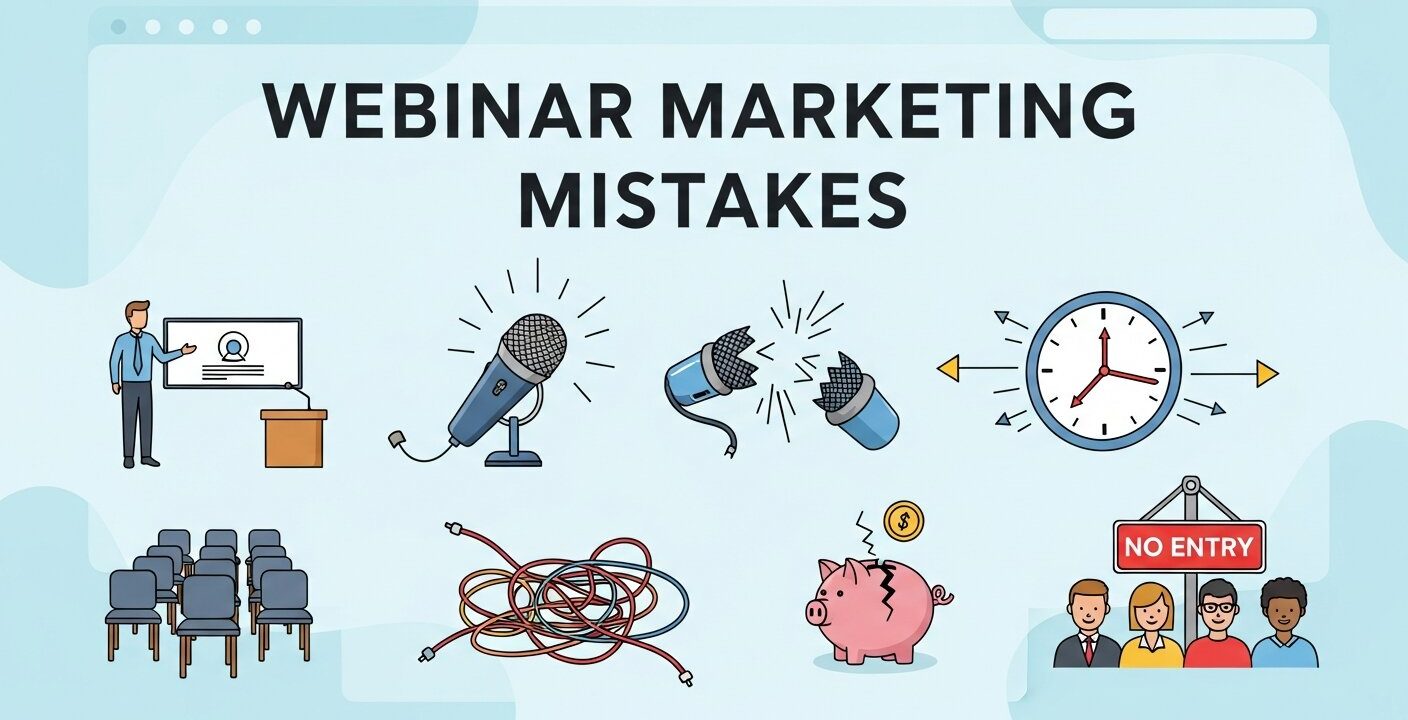
In today’s digital landscape, webinars have become a cornerstone for driving brand awareness, engaging potential customers, and generating high-quality leads. However, many marketers still stumble over common pitfalls that diminish the impact of their events. If you’re hosting your first webinar or you’re a seasoned pro, these insights will help you refine your strategy, boost attendee engagement, and maximize ROI this year.
Setting Strategic Goals and KPIs for Your Webinar
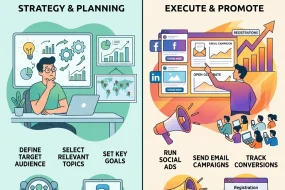
One of the fundamental webinar marketing mistakes is launching an event without a clear vision of what you’re trying to achieve. Defining precise objectives and key performance indicators (KPIs) not only guides your planning but also enables you to measure success and iterate effectively. Begin by identifying the primary outcome you want—brand recognition, lead generation, or direct sales conversions. Applying the SMART framework (Specific, Measurable, Attainable, Relevant, Time-bound) ensures your goals are both realistic and trackable.
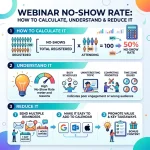
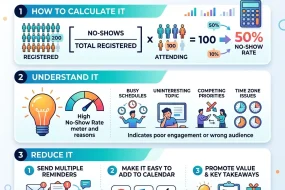
For instance, instead of vaguely aiming to “increase sign-ups,” set a quantifiable target such as achieving a 25% registration-to-attendee ratio or securing at least 100 qualified leads by the end of the live session. Next, establish supporting KPIs: website traffic referrals, email open rates, social media engagement, and post-webinar feedback scores. Track these metrics using integrated analytics tools available in most webinar platforms and your CRM system. By monitoring attendance duration, poll responses, and Q&A interactions, you can fine-tune your content for maximum impact.
Moreover, aligning webinar KPIs with broader business goals ensures stakeholder buy-in and justifies your marketing spend. Share weekly progress reports with your team to highlight wins and address areas for improvement. When you communicate how each webinar contributes to revenue growth or customer satisfaction, your leadership will view these events as indispensable components of your marketing mix. Ultimately, clear goals and data-driven insights empower you to avoid common webinar marketing mistakes and deliver consistent, measurable success.
Understanding Your Audience Through Research

Failing to invest time in audience research ranks high among webinar marketing mistakes. You might develop outstanding content, but if it doesn’t resonate with your target demographic, registration and engagement will suffer. Start by analyzing customer personas: what challenges do they face, what solutions are they seeking, and which formats—slides, panel discussions, or live demos—captivate their attention?
Leverage surveys, polls, and social listening tools to gather insights directly from your audience. Platforms like Twitter and LinkedIn can serve as informal focus groups where you pose questions about preferred topics and formats. Additionally, examine past webinar performance data to identify patterns in attendance drop-off and engagement dips. If you’re looking for reputable industry statistics to guide your planning, consider referring to research from the Pew Research Center (www.pewresearch.org) or university studies on online learning behaviors.
Audience segmentation is also critical. Not every registrant has the same objectives: some seek technical how-tos, while others want strategic insights. Craft tailored messaging for each segment in your promotion campaigns and webinar agenda. For example, designate breakout sessions or dedicated Q&A slots to address distinct needs—novice users versus advanced practitioners. By demonstrating that you understand their pain points, you’ll position your webinar as a must-attend event rather than a generic sales pitch. This targeted approach significantly reduces webinar marketing mistakes related to misaligned content and boosts both sign-ups and active participation.
Leveraging Multiple Promotion Channels
Relying exclusively on one or two channels for promotion is a recurring mistake in webinar marketing. Though email remains a powerful tool, diversifying your outreach amplifies visibility and attracts a broader audience. Start by crafting platform-specific messages: concise, benefit-driven copy for LinkedIn professionals; engaging visuals and testimonials for Facebook followers; and short teaser videos for Instagram Stories or TikTok reels.
Paid advertising can accelerate registrations when organic reach is limited. Utilize LinkedIn Sponsored Content to target decision-makers by job title or industry, and Facebook ads with custom audiences based on website visitors or past purchasers. Don’t overlook retargeting: place a pixel on your webinar landing page to re-engage users who showed interest but didn’t complete registration. By reminding them of the upcoming event through display ads or social media, you leverage the familiarity principle to drive conversions.
Partnerships also play a pivotal role. Collaborate with industry influencers, trade associations, or educational institutions to co-host or promote your webinar. Endorsements from credible third parties not only extend your reach but also heighten perceived authority. For maximum impact, supply partners with ready-to-use graphics, email templates, and social posts to streamline their advocacy. Lastly, embed clear call-to-action buttons and trackable UTM parameters in every channel to measure performance precisely. A multi-channel strategy helps you sidestep the common pitfall of limited exposure and ensures your webinar gains traction across diverse audience segments.
Ensuring Seamless Technical Performance

Technical hiccups and a clunky user experience can derail even the most compelling content, making this one of the most critical webinar marketing mistakes to avoid. Slow-loading registration pages, audio dropouts, and complicated login processes frustrate attendees and harm your brand reputation. To mitigate these risks, invest in a robust webinar platform known for reliability and scalability during high-attendance events.
Run multiple rehearsals with your speakers and support staff to identify potential issues before the live event. Test audio levels, screen-sharing capabilities, and interactive features like polls and chat functionality. Create a step-by-step guide for presenters covering microphone setup, slide transitions, and troubleshooting common errors. Distribute these instructions well in advance to ensure everyone feels confident navigating the interface.
On the attendee side, streamline the registration form by requesting only essential information—name, email, and company name. Offer one-click joining options through integrations with Google Calendar or Outlook, and include troubleshooting FAQs on the confirmation page. During the live session, have a dedicated technical moderator monitoring chat for connectivity issues and responding promptly. This live support not only resolves problems quickly but also reassures participants that help is at hand. By prioritizing a flawless user experience, you minimize technical distractions and maintain attendee engagement throughout the webinar.
Implementing Effective Post-Webinar Follow-Up
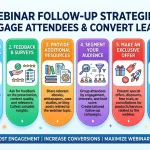
Neglecting post-webinar engagement is a frequent oversight in webinar marketing mistakes. After dedicating significant effort to attract and engage attendees, failing to follow up promptly can result in lost opportunities. Design a structured follow-up sequence that caters to different engagement levels and guides prospects toward the next step in your sales funnel.
Begin with an immediate thank-you email that includes a link to the recorded session and a concise recap of key insights. Segment your audience based on live attendance versus replay viewers, poll participation, and questions asked during the Q&A. Use this data to personalize subsequent messages—e.g., send a case study on advanced tactics to highly engaged attendees, while offering a beginner’s guide to those who left early.
Incorporate clear calls-to-action in each email: schedule a demo, claim a limited-time offer, or join an exclusive workshop. Implement a drip campaign over the following two weeks, alternating between educational resources and promotional invitations. For example, share a whitepaper from the U.S. Small Business Administration (www.sba.gov) on best practices, followed by a personalized outreach from your sales team. Monitoring click-through and conversion rates allows you to refine messaging and timing for future webinars. A thoughtful follow-up strategy transforms passive attendees into active leads and closes the loop on your webinar marketing efforts.
Creating High-Converting Webinar Content

Strong webinar content is the key to attracting attendees, keeping them engaged, and driving conversions. Your presentation should focus on educating first while naturally positioning your offer as the next logical solution. Build your webinar around one specific problem your audience wants solved, then provide practical steps they can apply immediately. Use storytelling, examples, and case studies to make concepts memorable and relatable. Keep slides simple, visual, and easy to follow rather than text-heavy. Structure the session with a strong opening, valuable teaching segments, audience interaction, and a persuasive close. When attendees gain real value, they are far more likely to trust your brand and take action after the event.
- Open with a compelling hook
- Share actionable insights
- Use clear visuals and examples
- End with a strong CTA
Choosing the Right Webinar Platform
Choosing the right webinar platform can directly influence your event’s success, attendee satisfaction, and technical reliability. A quality platform should offer essential features such as HD video streaming, screen sharing, live chat, polls, recording options, and detailed analytics. It should also integrate smoothly with your email marketing tools, CRM system, and calendar apps to simplify registration and follow-up processes. Ease of use matters for both presenters and attendees, so prioritize platforms with intuitive dashboards and one-click joining links. Before committing, test platform stability, audio quality, mobile compatibility, and customer support responsiveness. A dependable platform minimizes disruptions, creates a professional experience, and helps you maximize engagement and conversions during every webinar.
- Check integrations and automation tools
- Test audio and video quality
- Ensure easy attendee access
- Review analytics and reporting features
Conclusion
In this year (2026), avoiding webinar marketing mistakes is essential for maximizing the impact of your online events. By setting clear goals and KPIs, conducting thorough audience research, leveraging multiple promotion channels, ensuring technical excellence, and implementing a structured follow-up, you’ll create webinars that consistently drive engagement and deliver tangible results. Embrace data-driven refinements, invest in reliable tools, and tailor your communication to your audience’s needs. With these strategies in place, your webinars will evolve into powerful assets that support lead generation, nurture customer relationships, and contribute directly to your organization’s growth.
Frequently Asked Questions
-
1. What are the biggest webinar marketing mistakes businesses make?
The most common mistakes include unclear goals, weak promotion, poor audience targeting, technical issues, and no follow-up strategy. Many brands also overload webinars with sales pitches instead of value-driven content. Avoiding these errors helps improve attendance, engagement, and lead generation results significantly over time.
2. How can I increase webinar registrations quickly?
Increase registrations by using multi-channel promotion such as email campaigns, social media posts, paid ads, and partnerships. Create a compelling landing page with clear benefits and urgency. Offer bonuses like templates or exclusive resources to encourage sign-ups and attract more qualified attendees.
3. What is the ideal webinar length for better engagement?
The ideal webinar length is usually 45 to 60 minutes. This allows enough time for valuable teaching, interaction, and Q&A without losing attention. For highly technical topics, 75 minutes can work well if the session includes polls, demos, or audience participation throughout.
4. How early should I start promoting my webinar?
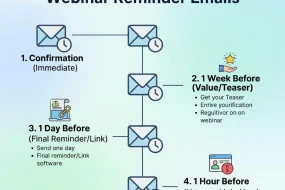
Start promoting your webinar four to six weeks before the live date. Begin with announcement emails and social media awareness, then increase reminders closer to the event. This timeline gives enough room for audience nurturing and helps maximize registrations consistently.
5. Why is audience research important before hosting a webinar?
Audience research helps you understand attendee pain points, interests, and expectations. When you know what problems people need solved, you can create more relevant content. This leads to stronger registrations, better engagement, and higher trust because the webinar feels personalized and useful.
6. What technical issues should I prepare for during webinars?
Prepare for microphone failures, weak internet connections, screen-sharing errors, login confusion, and lagging video streams. Test all equipment before going live and have backups ready. A dedicated moderator can quickly resolve attendee problems and ensure a smoother professional webinar experience.
7. How can I keep attendees engaged during the webinar?
Use polls, live chat, Q&A breaks, storytelling, and dynamic visuals to maintain attention. Change presentation formats every few minutes by switching slides, camera views, or demonstrations. Interactive sessions feel more energetic and prevent viewers from leaving before the webinar ends.
8. What should be included in a webinar follow-up email?
A strong follow-up email should thank attendees, include the replay link, summarize key takeaways, and offer the next step. This might be a demo, consultation, download, or limited-time offer. Personalized follow-up messages usually generate higher conversion rates than generic emails.
9. How do I measure webinar success effectively?
Measure success using KPIs such as registrations, live attendance rate, average watch time, engagement actions, replay views, and conversions. Compare these numbers with your original goals. Reviewing performance after every event helps optimize future webinar strategies and improve ROI.
10. Can webinars really generate qualified leads?
Yes, webinars are highly effective for lead generation because attendees willingly exchange contact information for valuable insights. They also spend focused time with your brand, showing strong intent. When paired with strategic follow-up, webinars can consistently produce qualified sales opportunities.


Josh Lemon, Content Strategy Consultant, has extensive experience in creating compelling webinar content that resonates with audiences. Skilled in storytelling, SEO, and audience insights, Riley helps brands deliver webinars that educate, engage, and convert effectively.
One reply on “Webinar Marketing Mistakes to Avoid and How to Fix Them: A Complete Guide”
[…] should also review their event processes regularly. Resources such as Webinar Marketing Mistakes to Avoid and How to Fix Them can help marketers identify problems that may reduce engagement or weaken the overall webinar […]