


Webinars have become an effective way for businesses to connect with their audiences, share valuable information, generate leads, and build long-term relationships with potential customers. However, hosting a successful webinar requires more than choosing a topic and preparing a presentation. It involves research, strategic preparation, content development, promotion, and audience engagement. Effective webinar content planning helps businesses organize these activities and deliver a meaningful experience that meets their marketing objectives. Whether you are organizing your first online event or improving an existing webinar strategy, having a clear plan can make a significant difference. From selecting engaging topics to writing scripts and creating promotional campaigns, every stage contributes to the overall success of your webinar. This guide explores the essential elements of webinar content planning and explains how to develop informative, engaging, and results-driven webinars.
Webinar Content Strategy
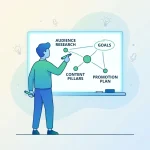
A successful webinar starts with a well-defined content strategy. Before creating slides or preparing a presentation, businesses need to understand what they want to achieve and who they want to reach. A clear strategy ensures that the webinar delivers relevant information while supporting broader business and marketing objectives. The first step is identifying your target audience. Consider their professional interests, common challenges, knowledge levels, and the questions they frequently ask. Understanding these factors helps you develop content that addresses genuine audience needs instead of simply promoting your products or services. For example, a software company targeting small businesses might organize a webinar about improving operational efficiency through digital tools.
Next, establish the primary objective of the event. Your goal might be generating qualified leads, introducing a new product, educating existing customers, increasing brand awareness, or building trust with potential buyers. These objectives influence the topic, presentation style, speakers, and promotional approach. Effective webinar content planning also requires consistency between the webinar topic and your brand message. Every section should contribute to the central subject and provide practical value. Businesses investing in digital platforms should also understand the technology required to support their online events. Exploring the web application development cost can help organizations understand the potential investment involved in developing customized digital experiences and business applications. A strong content strategy creates a foundation for the remaining planning activities and makes it easier to measure the performance of your webinar.
Webinar Planning Checklist
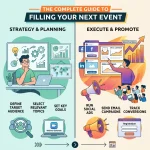
Organizing a webinar involves several activities that need to be completed before the event begins. A planning checklist helps teams stay organized, manage responsibilities, and avoid unnecessary mistakes. Without proper preparation, even valuable content can lose its impact because of technical issues, unclear communication, or poor coordination. Start by selecting a suitable webinar topic, defining the target audience, and establishing the event’s main objective. Once these elements are confirmed, decide on the date, time, duration, and webinar format. Consider whether your event will be educational, promotional, interactive, interview-based, or presented as a panel discussion.
The next stage involves choosing a reliable webinar platform. Look for features such as screen sharing, audience registration, live chat, polls, recording, analytics, and attendee management. The right platform should support your presentation requirements and provide a smooth experience for participants. Speaker preparation is equally important. Confirm the availability of presenters, assign their responsibilities, and provide them with sufficient preparation time. Make sure every speaker understands the topic, audience expectations, and presentation schedule.
Another essential part of webinar content planning is preparing the technical setup. Test microphones, cameras, internet connections, presentation files, and screen-sharing functionality before the event. Conducting a rehearsal helps identify problems early and gives speakers an opportunity to become comfortable with the platform. Finally, prepare registration pages, promotional materials, reminder emails, and post-event communication. Having everything organized in advance allows your team to focus on delivering a professional and valuable webinar.
Webinar Content Creation
 Creating valuable webinar content requires a balance between information, storytelling, and audience engagement. Participants attend webinars because they expect to learn something useful, understand a challenge, or discover solutions to specific problems. Therefore, the presentation should focus on delivering practical insights rather than overwhelming viewers with excessive information. Begin by researching your topic thoroughly. Explore industry trends, audience questions, common challenges, and relevant examples. Use reliable information to support your discussion and make complicated ideas easier to understand. Including real-world examples can also help participants connect theoretical concepts with practical situations.
When developing the presentation, organize the information into a logical sequence. Start with an introduction that explains the topic and establishes its relevance. Follow with the main discussion, where you explore important concepts, provide examples, and share actionable recommendations. Finish with a conclusion that summarizes the major lessons and explains what participants can do next. Visual content can improve the overall experience. Relevant images, diagrams, charts, short videos, and presentation slides make information easier to understand. However, visuals should support your message rather than distract from it.
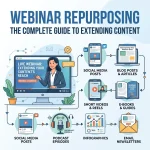
Webinar content planning should also consider how the material can be reused after the event. A recorded webinar can become a collection of short videos, blog articles, social media posts, email content, and educational resources. This approach allows businesses to extend the value of their original content. For example, organizations can connect their webinar presentations with broader digital video marketing activities to reach people who could not attend the live event. Repurposing educational content can increase brand visibility and create additional opportunities to engage potential customers.
Webinar Marketing Strategy
Even the most informative webinar may receive limited attendance without an effective marketing strategy. Promoting your event through the right channels helps attract relevant participants and increases awareness among your target audience. Start by creating a dedicated registration page that explains the webinar’s topic, benefits, date, time, and speaker information. The page should clearly communicate what participants will learn and why attending the event is worthwhile. A simple registration process can also reduce unnecessary barriers for interested visitors. Email marketing is an effective way to reach existing subscribers and potential customers. Create an announcement email that introduces the webinar and highlights its value. Follow it with reminder messages before the event so registered participants remember to attend.
Social media platforms provide additional opportunities to promote webinars. Share informative posts, speaker introductions, short promotional videos, and topic-related discussions. Encourage speakers and team members to share the event with their professional networks. Search engine optimization can also support long-term webinar promotion. Include relevant search terms in the registration page title, description, and content. This makes it easier for interested users to discover your event through search engines.
An effective webinar content planning process connects promotion with the overall marketing funnel. Your promotional messages should reflect the needs of your audience and encourage them to take the next step. To make this process more measurable, establish clear marketing objectives before launching your campaign. You can explore this guide on webinar marketing goals and strategy to understand how specific objectives can guide promotional activities, audience targeting, and performance measurement.
Webinar Presentation Ideas
A webinar presentation should be informative, visually appealing, and easy to follow. Choosing the right presentation format can make complex information more accessible while keeping participants interested throughout the session. Educational presentations are particularly effective for businesses that want to demonstrate expertise. These webinars focus on teaching audiences about a specific subject, explaining industry developments, or providing solutions to common challenges.
Product demonstrations are another useful format. Businesses can introduce new features, explain how their products work, and demonstrate practical applications. This approach helps potential customers understand the benefits of a product before making a purchasing decision. Expert interviews can introduce different perspectives and make webinars more conversational. Inviting an industry specialist allows participants to learn from professional experience while giving the event additional credibility.
Panel discussions are also valuable when a topic involves multiple viewpoints. Different speakers can discuss challenges, share experiences, and respond to audience questions. This format creates opportunities for deeper conversations and more varied insights. Case study presentations provide another effective approach. Businesses can explain how a particular challenge was addressed, what strategies were implemented, and what results were achieved. Real examples make information more relatable and help audiences understand how ideas can be applied in practical situations. During webinar content planning, select a presentation format that matches your subject and audience expectations. The presentation should have a clear purpose, consistent visual design, and a natural flow from one section to another.
Webinar Agenda Planning
 A well-structured agenda keeps the webinar organized and ensures that every important subject receives sufficient attention. It also helps speakers understand their responsibilities and gives participants a clear idea of what to expect. Begin with a short welcome session. Introduce the presenter, explain the webinar topic, and briefly describe the main learning objectives. This opening section should establish the purpose of the event and encourage participants to remain engaged.
The main presentation should receive the largest portion of the available time. Divide the subject into several connected sections, with each section addressing a specific question or learning objective. Avoid spending too much time on introductory information because participants generally want to reach the practical discussion quickly. Include interactive activities where appropriate. Live polls, audience questions, short discussions, and demonstrations can make the session more engaging. These activities also help presenters understand whether participants are following the discussion.
Reserve time for questions and answers near the end of the presentation. This gives attendees an opportunity to clarify important points and receive additional information. Conclude with a brief summary of the key takeaways and a relevant call to action. Depending on your objectives, you might invite participants to download a resource, schedule a consultation, explore a product, or register for another event. A realistic agenda is an essential part of webinar content planning because it prevents presentations from becoming unnecessarily long or disorganized. It also helps speakers maintain a consistent pace and finish the event on time.
Engaging Webinar Topics
Choosing an engaging topic is one of the most important decisions when organizing a webinar. Even a professionally presented event may struggle to attract participants if the subject does not match their interests or address a meaningful problem. Start by researching the questions your target audience frequently asks. Customer conversations, industry forums, social media discussions, search trends, and feedback surveys can reveal subjects that people genuinely want to understand.
Focus on topics that provide clear benefits. Instead of choosing a broad subject such as digital marketing, consider a more specific topic such as improving lead generation through content marketing. Specific topics communicate value more clearly and help attract a relevant audience. Current industry developments can also inspire webinar ideas. Businesses can organize sessions about emerging technologies, changing customer expectations, new marketing practices, and industry challenges. However, make sure the information is accurate and relevant to your audience.
Another effective approach is addressing common mistakes. Webinars that explain why certain strategies fail and how to improve them can attract people looking for practical solutions. Webinar content planning becomes more effective when topic selection is based on audience research rather than assumptions. Consider the knowledge level of your participants and choose a subject that is neither too basic nor unnecessarily complicated. You can also build a series of related webinars instead of treating every event as an independent activity. For example, a business could create several sessions covering beginner concepts, advanced strategies, practical implementation, and performance measurement. This encourages participants to return for future events and creates a more consistent educational experience.
Webinar Script Writing
A well-written script helps presenters communicate information clearly and maintain a professional tone. Although webinars should feel natural and conversational, preparing a script or structured speaking notes can prevent confusion and improve presentation quality. Start with an engaging opening that introduces the speaker and explains why the topic matters. Avoid beginning with lengthy background information. Instead, use an interesting question, a relevant statistic, or a common audience challenge to capture attention.
The main script should follow the presentation agenda. Write clear transitions between sections so that participants can understand how different ideas connect. Each section should introduce a concept, explain its importance, and provide examples or practical recommendations where appropriate. Use conversational language rather than complicated sentences. Remember that participants are listening to the presentation, so information should be easy to understand when spoken aloud. Technical terminology can be included when necessary, but explain unfamiliar terms before using them extensively.
Include opportunities for interaction within the script. Presenters can ask questions, invite participants to respond through chat, conduct polls, or encourage attendees to share their experiences. These moments make the session feel more personal. The closing script should summarize the main lessons and provide a clear next step. Avoid ending suddenly without thanking participants or explaining how they can continue engaging with your organization. Good webinar content planning includes preparing scripts that support speakers without making their delivery sound robotic. Rehearse the presentation several times, adjust sections that feel unnatural, and ensure the script fits the planned duration.
Webinar Content Calendar
 A webinar content calendar helps businesses manage multiple events and maintain consistency in their marketing activities. Instead of organizing each webinar at the last minute, teams can plan topics, promotional campaigns, speakers, and publishing schedules in advance. Start by identifying how frequently your organization wants to host webinars. Some businesses may benefit from monthly educational sessions, while others may prefer quarterly events based on product launches or seasonal campaigns.
Once the schedule is established, assign topics to specific dates. Consider industry events, product announcements, customer interests, and marketing priorities when selecting subjects. This creates a balanced calendar that supports both audience education and business objectives. Your calendar should also include the content required before and after each event. For example, a webinar may require an announcement email, registration page, social media promotions, speaker introduction, reminder messages, presentation slides, and follow-up resources.
Post-event content deserves particular attention. Publish webinar recordings, create short video highlights, prepare blog summaries, and share useful insights across relevant platforms. This helps your organization reach people who missed the original session. Marketing automation can make calendar management more efficient. Businesses can use automated workflows to send registration confirmations, event reminders, attendance follow-ups, and additional educational resources. When choosing a suitable platform, understanding the features offered by different tools is important. Reviewing a marketing automation software comparison can help businesses evaluate available solutions and identify software that supports their webinar communication requirements. Consistent webinar content planning also helps teams maintain a recognizable brand experience. When participants regularly receive useful information, they become more familiar with your organization and may be more likely to attend future events.
Effective Webinar Planning Tips
Creating a successful webinar requires attention to both content quality and audience experience. Small improvements in preparation, presentation, and follow-up can significantly influence how participants perceive your event. First, keep your audience at the center of every decision. Choose subjects that solve real problems and present information in a way that matches participants’ knowledge levels. A webinar should provide value even to people who are not immediately interested in purchasing your products or services.
Second, prioritize presentation quality. Use readable slides, clear audio, suitable lighting, and a stable internet connection. Technical problems can interrupt the session and reduce audience confidence, so test everything before going live. Third, make the webinar interactive. Encourage questions, use polls, and invite participants to contribute to the discussion. Active participation can make an online event more memorable than a presentation that consists entirely of one-way communication.
Fourth, focus on building relationships rather than delivering an aggressive sales message. Businesses that consistently provide useful information can develop stronger relationships with their audiences. This can contribute to long-term customer trust and brand loyalty. Fifth, evaluate your webinar performance after the event. Review registrations, attendance rates, audience engagement, questions, feedback, and conversions. These measurements help identify what worked well and which areas need improvement.
Finally, continue communicating with participants after the webinar. Send a thank-you message, share the recording, provide additional resources, and invite attendees to explore relevant services or future events. Successful webinar content planning is an ongoing process. Each event provides an opportunity to understand audience preferences, improve presentation quality, and develop more effective marketing strategies. By reviewing performance and applying lessons from previous sessions, businesses can create webinars that deliver consistent value over time.
Conclusion
Webinars provide businesses with valuable opportunities to educate audiences, demonstrate expertise, generate leads, and build meaningful customer relationships. However, achieving these results requires careful preparation and a clear understanding of audience expectations. From developing a content strategy and selecting engaging topics to creating presentations, writing scripts, organizing agendas, and promoting events, every stage contributes to the final experience. Consistent evaluation and improvement also help businesses make future webinars more effective. By following a structured approach and focusing on audience value, organizations can turn webinars into an important part of their long-term content marketing strategy.
FAQ
1. What is webinar content planning?
Webinar content planning is the process of researching, organizing, creating, and scheduling the material for an online presentation. It includes selecting a topic, understanding the target audience, preparing a presentation, developing a script, and organizing promotional activities. Proper planning helps ensure that the webinar delivers useful information and supports specific business objectives.
2. Why is webinar content planning important?
It is important because it helps businesses create organized, relevant, and engaging presentations. A structured approach reduces preparation mistakes, improves audience engagement, and ensures that the webinar supports broader marketing goals. It also makes it easier to measure results and improve future events.
3. How do I choose the right webinar topic?
Choose a topic based on your audience’s interests, questions, challenges, and professional needs. Research industry trends and identify subjects where your organization can provide useful knowledge. A specific topic that solves a recognizable problem is generally more appealing than a broad subject.
4. How long should a webinar presentation be?
Most business webinars work well when they last approximately 30 to 60 minutes. However, the ideal duration depends on the complexity of the topic and the audience’s expectations. Allow enough time for the main presentation and audience questions without making the session unnecessarily long.
5. What should a webinar agenda include?
A webinar agenda should include an introduction, speaker presentation, main discussion, interactive activities, question-and-answer session, and closing remarks. The agenda should establish a logical flow and allocate sufficient time to each important section.
6. How can I make my webinar more engaging?
You can improve engagement by using relevant visuals, practical examples, live polls, audience questions, demonstrations, and interactive discussions. Keeping the presentation conversational and focusing on audience problems also helps maintain interest throughout the session.
7. What tools are needed to organize a webinar?
Common webinar tools include a webinar hosting platform, presentation software, a microphone, a webcam, a stable internet connection, email marketing software, and registration management tools. The specific requirements depend on the size, format, and objectives of your event.
8. How do I promote a webinar successfully?
Promote your webinar through email campaigns, social media, search engine optimization, website announcements, and professional networks. Create a dedicated registration page that clearly explains the benefits of attending. Sending timely reminders can also improve attendance rates.
9. How can I measure webinar success?
Measure success by reviewing registrations, attendance rates, audience participation, questions, feedback, leads generated, and conversions. Compare these results with your original objectives to understand whether the webinar achieved its intended purpose.
10. Can webinar content be reused after the event?
Yes. Recorded webinars can be transformed into blog posts, short videos, social media content, email newsletters, downloadable resources, and educational materials. Repurposing content helps businesses reach additional audiences and maximize the value of their original presentation.











No Comments