


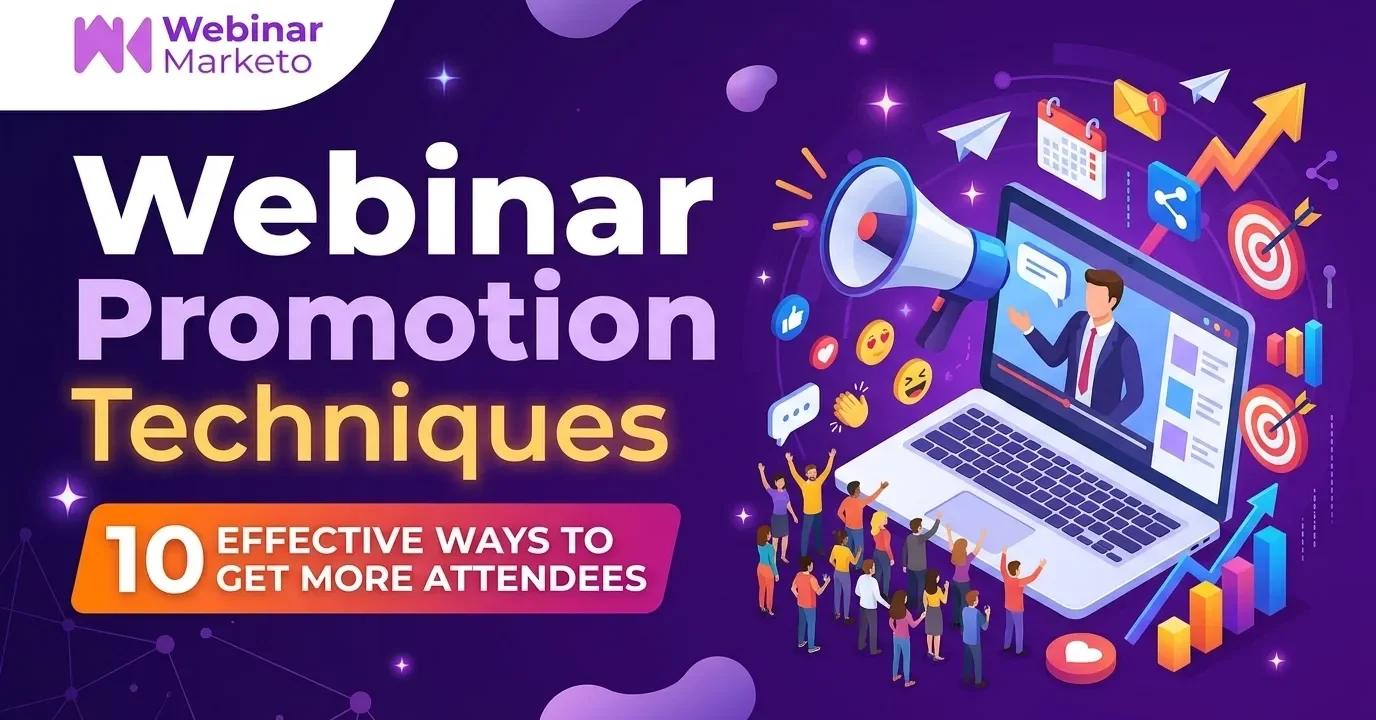
Webinars have become an effective way for businesses to educate their audiences, build brand awareness, generate leads, and promote products or services. However, organizing a valuable webinar is only half the job. The real challenge is attracting the right audience and encouraging people to register and attend. This is where effective webinar promotion techniques become important. A well-planned promotional campaign helps businesses reach potential attendees through different marketing channels, increase registrations, and create stronger relationships with their target audience. In this guide, we will explore 10 practical strategies to promote your webinar successfully. From email marketing and social media promotion to paid advertising and audience engagement, these methods will help you attract more participants and achieve better marketing results.
Effective Webinar Marketing Strategies
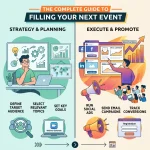
A successful webinar starts with a clear marketing strategy. Before promoting your event, you need to understand your target audience, identify their interests, and determine what value your webinar will provide. Start by selecting a topic that addresses a specific problem or answers an important question for your audience. Your webinar title should communicate its main benefit and give people a reason to register. For example, instead of using a general title such as “Digital Marketing Webinar,” consider something more specific, such as “How to Generate More Leads Through Digital Marketing.”
Another important step is developing a consistent promotional message. Your website, emails, advertisements, and social media posts should communicate the same webinar topic, date, time, and key benefits. You should also establish measurable goals before launching your campaign. These may include registration targets, attendance rates, qualified leads, and post-webinar conversions. Using different webinar promotion techniques together can create a stronger marketing campaign. Rather than depending on one channel, combine email marketing, social media, content marketing, and paid advertisements to reach potential attendees at different stages of their decision-making journey.
Webinar Promotion Strategies
Promoting a webinar requires more than publishing an announcement and waiting for registrations. You need a structured approach that keeps your event visible and encourages people to take action. One effective strategy is to create a dedicated landing page for your webinar. This page should include an attractive headline, a short event description, speaker information, important learning outcomes, and a simple registration form.
Make the registration process as easy as possible. Avoid asking for unnecessary information because lengthy forms can discourage potential participants. Usually, collecting a name and email address is enough to begin building your registration list. Content marketing can also support your promotional activities. Publish relevant blog posts, short videos, educational graphics, and informative social media content related to your webinar topic. For example, businesses that already use a strong content strategy can learn more about developing engaging campaigns through this guide on video content marketing strategy.
You can also collaborate with industry professionals, influencers, and business partners who have an audience interested in your webinar subject. The best webinar promotion techniques combine multiple channels while maintaining a consistent message. This approach increases visibility and helps build trust before the event begins.
How to Promote a Webinar Online
 Online promotion gives businesses the opportunity to reach audiences beyond their existing customer base. With the right digital channels, you can attract participants from different locations and industries. Start by sharing your webinar on your company’s website. Add a promotional banner to your homepage, publish an announcement on your blog, and include registration links on relevant service or product pages.
Search engine optimization can also help attract people who are actively searching for information related to your webinar topic. Use relevant keywords in your landing page title, description, headings, and content. Another effective approach is publishing guest articles on websites that reach your target audience. These articles can provide useful information while naturally directing readers to your webinar registration page.
You can also participate in relevant online communities, professional groups, and discussion platforms. Instead of repeatedly sharing promotional messages, answer questions and provide helpful information before introducing your webinar when it is relevant. Successful webinar promotion techniques focus on providing value rather than simply advertising an event. When people find your content useful, they are more likely to trust your brand and consider attending your webinar.
Webinar Advertising Techniques
Paid advertising can help you reach a larger and more targeted audience within a shorter period. It is particularly useful when you want to increase registrations quickly or promote an event to people who are unfamiliar with your business. Google Ads can help you reach users searching for topics related to your webinar. You can target relevant search terms and direct interested visitors to your registration page.
Social media advertising is another valuable option. Facebook, Instagram, and LinkedIn allow businesses to reach specific audiences based on factors such as interests, professional roles, industries, and demographics. For B2B webinars, LinkedIn advertising can be particularly useful because it offers professional audience targeting. For consumer-focused events, Facebook and Instagram may provide more suitable opportunities.
Your advertisement should include an attention-grabbing headline, a clear benefit, an appealing visual, and a direct call to action. Retargeting is another technique worth considering. It allows you to show advertisements to people who previously visited your webinar landing page but did not complete registration. When applying webinar promotion techniques through paid campaigns, monitor important metrics such as cost per registration, click-through rate, conversion rate, and total advertising spend. This information helps you identify which advertisements are generating the best results.
Webinar Registration Tips
Getting people to visit your webinar landing page is important, but converting those visitors into registered participants is equally essential. Your registration page should clearly explain why someone should attend. Highlight the problems your webinar will solve and the knowledge participants will gain. Use a compelling headline that communicates a specific benefit. Include information about the speakers, their professional experience, and what makes the event worth attending.
Adding social proof can also improve registration rates. If your previous webinars received positive feedback, consider including genuine testimonials or participant reviews. Make sure your registration page works properly on mobile devices. Many people discover events through social media on their smartphones, so a mobile-friendly experience is essential.
Another useful approach is creating a sense of urgency. You can mention limited interactive session capacity or an early registration deadline when these limitations are genuine. These webinar promotion techniques can improve the registration experience and reduce unnecessary barriers. Once someone registers, send an immediate confirmation email containing the event date, time, and joining instructions.
Best Ways to Increase Webinar Attendance
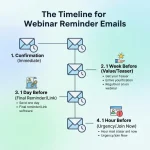
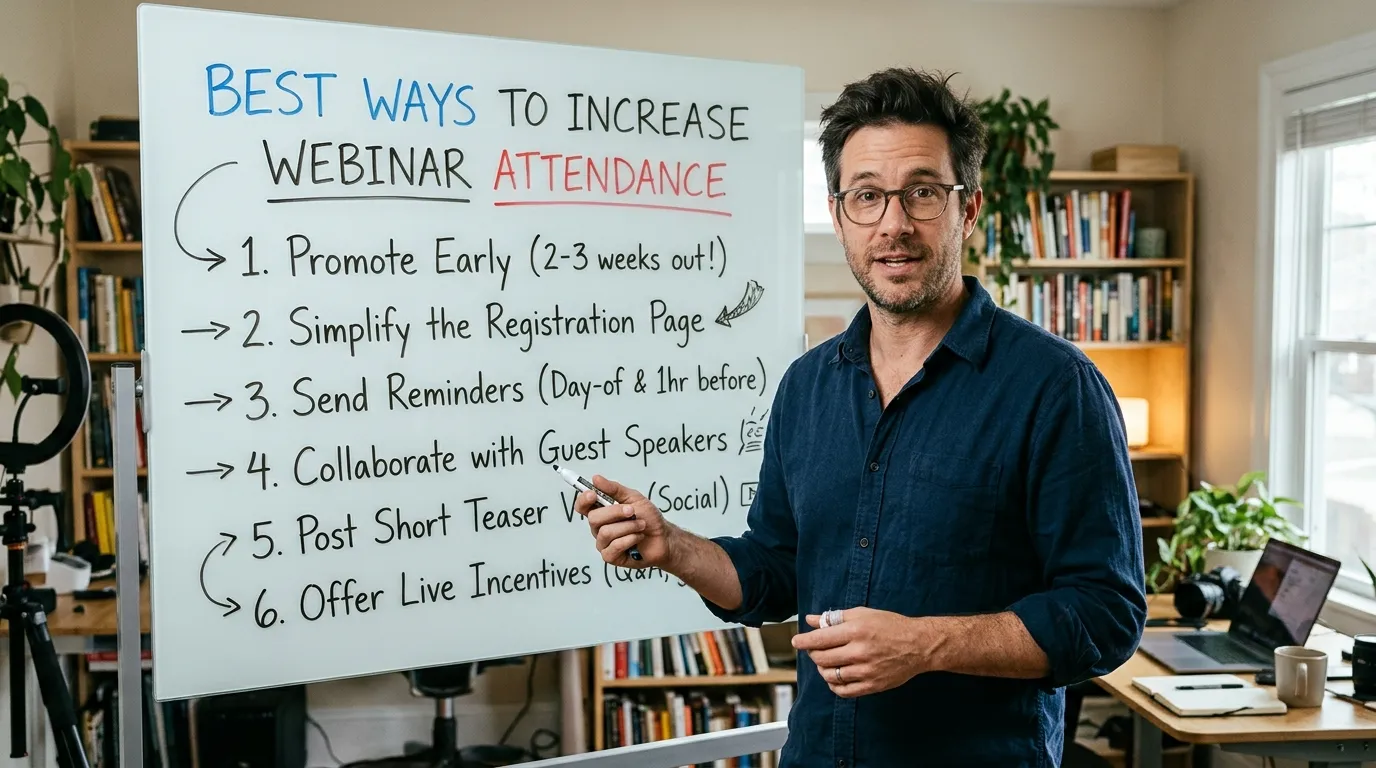 A high registration count does not automatically mean a successful webinar. Some people register but forget about the event or become unavailable when it starts. To improve attendance, develop a reminder strategy that keeps your webinar in front of registered participants. Send a confirmation email immediately after registration. Follow it with reminders a few days before the event, one day before the webinar, and shortly before the session begins.
Calendar invitations are also helpful because they allow participants to save the event directly to their schedules. You can use automated email sequences to deliver reminders without manually contacting every registered participant. Another effective method is sharing a short preview of the webinar. Introduce the speaker, explain an interesting topic that will be discussed, or share a useful insight that encourages people to attend the full session.
Make the joining process simple. Include a clear webinar access link in every reminder and provide instructions if participants need to use a particular platform. The most effective webinar promotion techniques do not stop after someone registers. They continue building interest and reminding participants why attending the event will be valuable.
Social Media Webinar Promotion
Social media is one of the most accessible channels for increasing webinar awareness. Platforms such as Facebook, Instagram, LinkedIn, and X allow businesses to communicate directly with their target audiences. Start by creating a promotional content calendar. Share your webinar announcement several weeks before the event and continue publishing relevant content as the date approaches.
Use different content formats to maintain audience interest. These may include short promotional videos, speaker introductions, countdown graphics, educational posts, and behind-the-scenes content. LinkedIn is particularly effective for professional and business-related webinars. You can share event announcements through company pages, personal profiles, and relevant professional communities. Instagram and Facebook are useful for visual campaigns, Stories, Reels, and event-related discussions.
You should also encourage speakers and employees to share webinar announcements through their personal accounts. Their existing networks may help you reach people who are not already following your company. Social media listening can make these campaigns even more effective. By understanding audience conversations, questions, and interests, businesses can create content that addresses real customer needs. You can explore this approach in our guide to social media listening strategy for business. Applying these webinar promotion techniques consistently helps increase engagement, expand organic reach, and attract more relevant participants.
Email Marketing for Webinars
Email marketing remains one of the most useful channels for promoting webinars because it allows businesses to communicate directly with people who have already shown interest in their products, services, or content. Start by segmenting your email list. Different audience groups may have different interests, so sending relevant webinar invitations can improve engagement and registration rates.
Your invitation email should include an interesting subject line, a clear explanation of the webinar topic, the speaker’s name, the event date, and a registration link. Keep your message informative and easy to understand. Explain what participants will learn and why the session is relevant to their professional or personal goals. You can also use a short email sequence instead of sending only one invitation. Begin with an announcement, follow it with an educational email, and send a final reminder before registration closes.
After someone registers, move them into a separate reminder sequence. This ensures that registered participants receive useful event updates rather than repeated registration invitations. Following the webinar, send a thank-you email with the recording, presentation slides, additional resources, or a relevant product offer. These webinar promotion techniques help businesses maintain communication throughout the customer journey, from initial interest to registration and post-event engagement.
Webinar Audience Engagement Strategies
Audience engagement plays an important role in creating a memorable webinar experience. Even when your promotional campaign attracts many registrations, participants may lose interest if the session feels one-sided or uninteresting. To avoid this, plan interactive activities before the webinar begins. Start with a poll or a simple question that encourages participants to participate. This helps presenters understand the audience and makes the session feel more interactive.
You can also include live Q&A sessions, quizzes, demonstrations, and audience discussions. These activities encourage participants to become involved rather than simply listening to the speaker. Presenters should use clear slides, relevant examples, and practical explanations. Avoid overcrowding presentations with too much text or unnecessary information.
Another useful technique is encouraging participants to submit questions before the event. This gives the presenter an opportunity to prepare relevant answers and address important audience concerns. After the webinar, continue the conversation through follow-up emails, feedback surveys, and social media discussions. An engaged audience is more likely to remember your brand, share the experience with others, and participate in future events. The strongest webinar promotion techniques consider the entire experience, including what happens after people register and attend.
Webinar Lead Generation Techniques
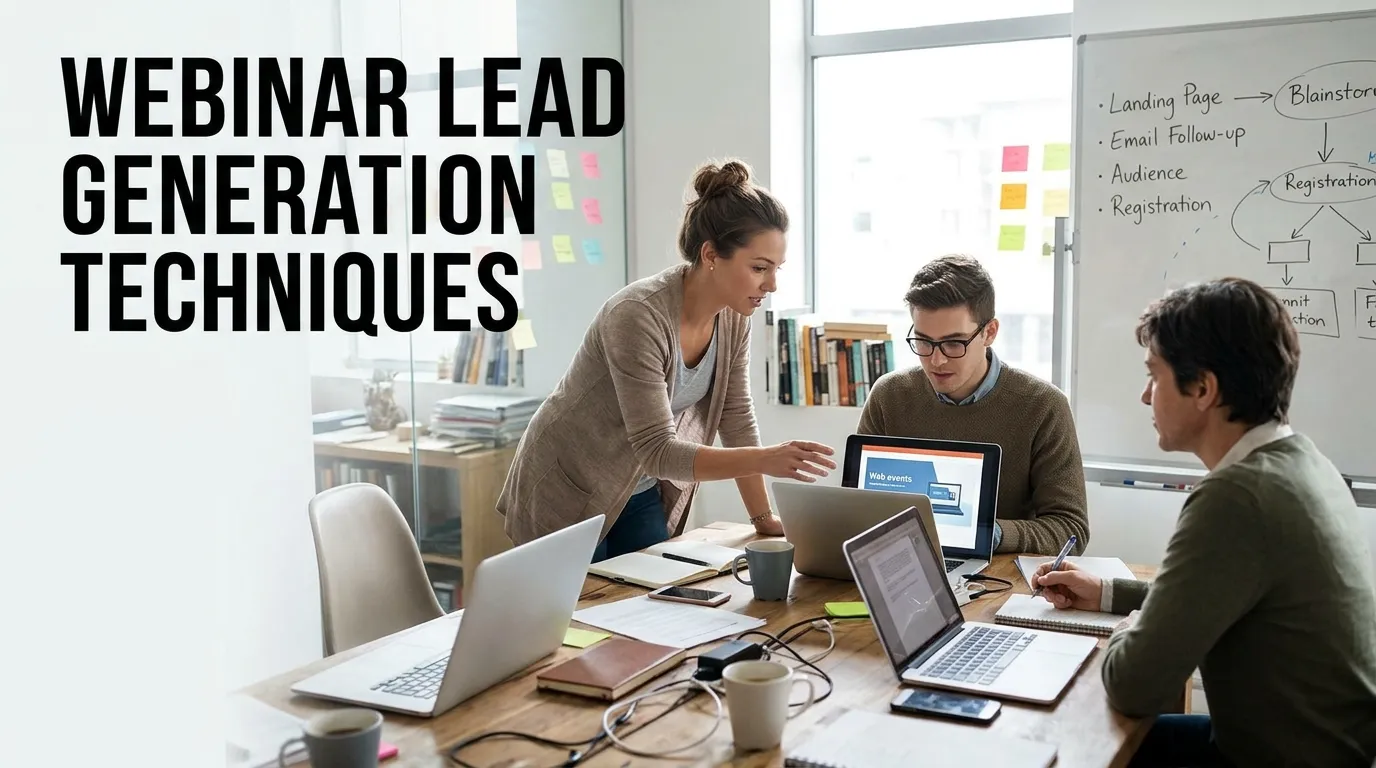 Webinars are not only educational events; they can also become valuable lead-generation opportunities for businesses. The key is attracting participants who are genuinely interested in the products, services, or solutions your business offers. Begin by selecting a webinar topic connected to your target audience’s needs. For example, a marketing agency could organize a webinar about improving website conversions, generating qualified leads, or building effective digital campaigns.
Create a registration form that collects relevant information without making the process unnecessarily complicated. Depending on your business goals, you may ask about a participant’s company, industry, or professional role. During the webinar, provide practical information and demonstrate how your solutions can address common challenges. Avoid turning the entire session into a sales presentation. Educational value should remain the primary focus. At the end of the session, introduce a relevant next step, such as booking a consultation, requesting a product demonstration, or downloading an additional resource.
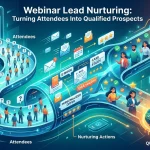
You can also divide leads into different groups based on their interests and engagement levels. This makes it easier to develop personalized follow-up campaigns. Brand trust is another important part of lead generation. Businesses that consistently deliver useful information can build stronger customer relationships. Explore more ways to strengthen long-term customer relationships in our guide to brand loyalty. Your website also plays an important role in converting webinar traffic. A professional, easy-to-navigate website helps visitors understand your services and take the next step. You can learn more about improving the user experience through our article on website design trends. Combining these webinar promotion techniques with an effective lead nurturing strategy can turn webinar participants into potential customers and long-term business relationships.
Conclusion
Promoting a successful webinar requires planning, consistency, and a clear understanding of your target audience. From creating an attractive registration page to using social media, email marketing, and paid advertising, every activity contributes to increasing awareness and attracting potential participants. The most effective webinar promotion techniques focus on delivering value before, during, and after the event. Businesses should not only aim to increase registrations but also improve attendance, encourage engagement, and generate qualified leads. Start by choosing the promotional channels that best match your audience. Track campaign performance, improve your messaging, and experiment with different approaches to discover what works best. With a well-organized strategy, your webinars can become a powerful part of your overall digital marketing efforts.
FAQ
1. What are webinar promotion techniques?
Webinar promotion techniques are marketing methods used to increase awareness, attract registrations, and encourage people to attend online events. Common methods include email marketing, social media campaigns, paid advertisements, content marketing, and partnerships.
2. How early should I start promoting a webinar?
Ideally, start promoting your webinar two to four weeks before the scheduled date. This provides enough time to build awareness, attract registrations, and send reminders. Larger events may require an even longer promotional period.
3. Which platform is best for promoting a webinar?
The best platform depends on your target audience. LinkedIn works well for B2B webinars, while Facebook and Instagram can be effective for consumer-focused events. Email marketing is also valuable for reaching existing subscribers and customers.
4. How can I increase webinar registrations?
You can increase registrations by creating an attractive landing page, choosing an interesting topic, highlighting the benefits of attending, simplifying the registration form, and promoting the event through multiple marketing channels.
5. Is email marketing effective for webinar promotion?
Yes. Email marketing allows businesses to reach interested subscribers directly, send personalized invitations, provide registration links, and remind participants about upcoming sessions. It can also help maintain engagement after the webinar.
6. How can I increase webinar attendance rates?
Send confirmation emails, calendar invitations, and scheduled reminders before the event. Share useful previews, introduce the speakers, and make joining instructions easy to access.
7. Are social media ads useful for webinar promotion?
Yes. Social media advertising can help you reach specific audiences based on their interests, professional backgrounds, and demographics. It is particularly useful when you want to increase registrations beyond your existing followers.
8. What should a webinar registration page include?
A registration page should include an attractive headline, webinar description, event date and time, speaker information, key learning benefits, and a simple registration form. It should also be mobile-friendly.
9. Can webinars help generate business leads?
Yes. Webinars attract people who are interested in a particular topic or solution. By offering valuable information, collecting relevant registration details, and following up with participants, businesses can generate qualified leads and build customer relationships.
10. How do I measure the success of a webinar promotion campaign?
Measure your campaign using registration numbers, attendance rates, landing page conversion rates, advertising costs, audience engagement, qualified leads, and post-webinar conversions. These metrics help you understand which marketing activities are producing the best results.


No Comments