


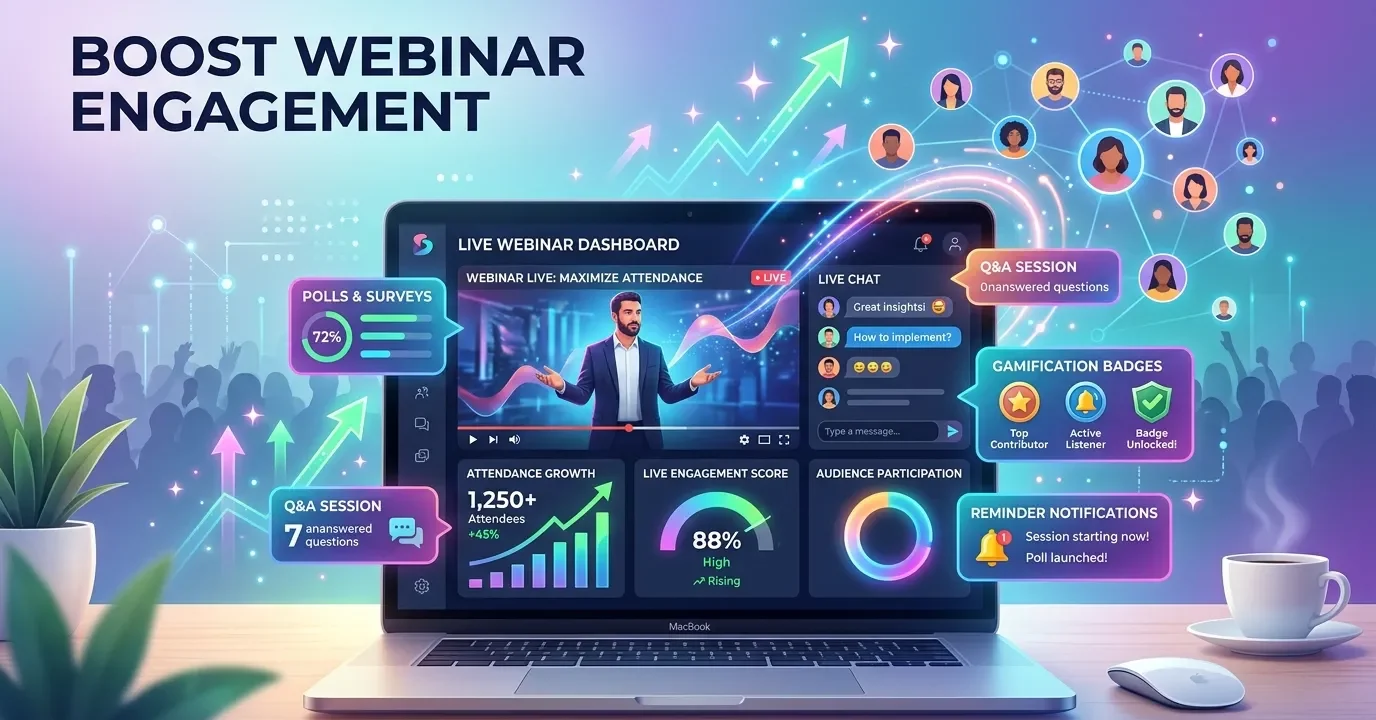
Hosting webinars has become a cornerstone strategy for businesses aiming to drive brand visibility, nurture leads, and foster customer loyalty. Yet, many organizations find themselves grappling with the challenge of low attendance and dwindling participant engagement. If you want to boost webinar engagement and transform passive viewers into active contributors, a thoughtful combination of interactive tactics, dynamic content, and personalized experiences is essential.
Currently, audiences expect more than a one-way presentation; they crave opportunities to contribute, learn collaboratively, and feel valued throughout the session. By embracing proven methods such as live polls, gamified quizzes, and storytelling, you can elevate your webinars into immersive events that capture attention from the opening slide to the final call to action. This year (2026), webinar hosts must adapt to evolving audience preferences and leverage data-driven insights to refine their approach.
In this comprehensive guide, we’ll explore five key areas—interactive polling, gamification, narrative-driven visuals, personalized experiences, and strategic pacing—to help you systematically boost webinar engagement. You’ll also discover how external resources like research from the National Institutes of Health and best practices endorsed by Harvard University can inform your strategy. Whether you’re a seasoned marketer or new to hosting virtual events, these actionable recommendations will enable you to create memorable sessions that drive attendance, participation, and conversion.
Harnessing Interactive Polling for Early Engagement
![[object Object]](https://webinarmarketo.com/wp-content/uploads/2026/05/boost-webinar-engagement-12-hacks-to-skyrocket-att-image-1.webp)
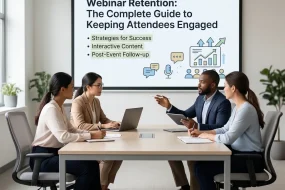
One of the most effective ways to boost webinar engagement is to invite participation right from the start. Initiating your session with an interactive poll serves multiple purposes: it breaks the ice, gauges baseline knowledge, and signals to attendees that their input matters. Begin by preparing a concise poll question relevant to your topic—for example, asking participants about their biggest challenge or current usage of specific tools. Using built-in webinar platform features or third-party solutions, display live results on-screen to foster a sense of collective insight.
Understanding the ecosystem of tools is essential, and this is where exploring interactive webinar engagement tools and strategies helps you choose the right setup for your audience.
Craft poll questions that are clear, unbiased, and aligned with your learning objectives. According to research from the National Institutes of Health, real-time feedback encourages higher retention and keeps audiences mentally invested. Make sure the poll interface is mobile-friendly to accommodate viewers who join via smartphones or tablets. After revealing poll outcomes, reference those results as you dive into your core content. This creates a dynamic narrative thread, showing attendees that you’re responsive to their opinions.
Beyond initial icebreakers, strategically embed follow-up polls at critical junctures—such as after explaining a new concept or demonstrating a tool feature. These micro-surveys can take less than a minute but provide valuable checkpoints for both you and your audience. They also act as cognitive anchors, reducing the likelihood of drop-offs by resetting attention spans. When participants see their peers’ responses, it fuels curiosity and encourages further engagement.
To maximize participation, offer incentives for poll completion. Simple acknowledgments—like highlighting a participant on-screen or offering a downloadable resource—can motivate real-time involvement. Finally, ensure that poll questions vary in style: use multiple-choice, rating scales, or open-ended queries to maintain interest. By thoughtfully designing and interpreting polls, you’ll establish a feedback-driven environment that consistently boosts webinar engagement throughout your presentation.
Implementing Gamification Techniques to Sustain Interest
Gamification is a powerful tool for transforming a traditional webinar into an interactive experience that demands attention. By introducing game-like elements, you tap into attendees’ competitive instincts and intrinsic motivation. Start by creating short quizzes tied to your key points. After covering a major topic segment, launch a multiple-choice quiz with immediate scoring. Award digital badges, discount codes, or exclusive content to participants who answer correctly. Publicly acknowledge top performers on a live leaderboard to spark friendly competition.
This approach becomes even more powerful when combined with AI-driven personalization, as shown in harnessing AI in webinar marketing to boost engagement, where automation helps tailor challenges to audience behavior.
Quizzes can be delivered through integrated webinar tools or via external gamification platforms like Kahoot or Mentimeter. Break your session into modules, each concluding with a brief quiz. This segmentation not only reinforces learning but also provides natural interaction breaks. Incentives—ranging from e-gift cards to premium trial access—add tangible value and drive participants to stay engaged until the end.
In addition to quizzes, consider implementing scavenger hunts or timed challenges. For instance, ask attendees to locate a specific statistic in your shared slide deck or to formulate a quick solution to a hypothetical scenario. Use breakout room features for group activities, prompting small teams to collaborate on tasks. When participants reconvene, invite each group to share their findings. This variety of gamified interactions maintains energy and encourages social engagement, which is particularly critical for virtual environments where isolation can lead to drop-offs.
When designing gamification elements, keep accessibility and fairness in mind. Ensure all participants have equal opportunity to engage, regardless of technical expertise or device type. Provide clear instructions and adapt mechanics for different audience sizes. By weaving gamified content throughout your webinar, you’ll create memorable moments that boost webinar engagement and leave attendees eager for future events.
Crafting Compelling Narratives and Dynamic Visuals
![[object Object]](https://webinarmarketo.com/wp-content/uploads/2026/05/boost-webinar-engagement-12-hacks-to-skyrocket-att-image-2.webp)
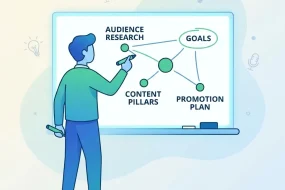
Stories have the power to capture emotions, simplify complex concepts, and forge lasting connections. To boost webinar engagement through storytelling, integrate real-world case studies, customer success stories, or personal anecdotes that align with your core message. Begin by outlining a narrative arc—introduce a challenge, present a turning point, and showcase a resolution. Use descriptive language to paint a vivid picture and relate each story back to actionable insights.
Complement your narrative with dynamic visuals. Instead of relying solely on static bullet points, incorporate animated graphics, short video clips, or live screen demonstrations. Tools like Prezi, PowerPoint Animations, and Adobe Spark enable you to add movement and visual interest. Even subtle animations—such as fading in statistics or transitioning between scenes—can reduce cognitive fatigue and keep viewers focused. According to Harvard University’s Center for Communication Science, visual storytelling improves information retention by up to 80% compared to text-only presentations.
When selecting visuals, prioritize clarity and relevance. Each graphic should reinforce a key takeaway rather than distract from it. High-resolution images, clean layouts, and consistent branding elevate your professional presence. If possible, include infographics that distill data into easily digestible formats. Embedding short video testimonials or on-location footage can deepen emotional resonance and break the monotony of static slides.
Finally, align your storytelling and visuals with your webinar’s central theme. Whether you’re teaching a new process or showcasing a product, make sure every anecdote and graphic serves the broader narrative. By weaving together compelling stories and dynamic visuals, you’ll create an immersive experience that consistently boosts webinar engagement and prompts participants to stay tuned until the closing remarks.
Personalizing the Webinar Experience for Deeper Connection
In today’s competitive webinar landscape, personalization is a key differentiator. By tailoring content to attendees’ needs, you foster a sense of individual value and relevance that naturally boosts webinar engagement. Begin by collecting registration data—such as industry, job role, or specific challenges—and segment your email reminders accordingly. Use dynamic merge tags to address participants by name in promotional emails, chat greetings, and follow-up messages.
During the webinar, reference participant segments directly. For example, if a large portion of your audience works in healthcare, incorporate a quick case study relevant to that sector. Use polling data to highlight geographic trends or experience levels. When technology permits, greet attendees by name as they join, reinforcing a personal connection from the outset.
Integrate social proof to validate your message and build trust. Display live social media feeds or share recent LinkedIn comments from attendees. Showcase brief video testimonials from past participants or quotes from industry experts. According to research published by the Centers for Disease Control and Prevention social proof can influence decision-making by up to 70%, making it an effective catalyst for engagement.
Consider offering breakout rooms based on shared interests or challenges. Smaller group discussions encourage networking and peer learning, two factors that significantly increase attention and satisfaction. Provide discussion prompts or mini-assignments to guide the conversation and ensure productive outcomes. When groups reconvene, invite each to share their top insights, creating a diverse tapestry of viewpoints that enriches the overall session.
By weaving personalization and social proof into every stage—promotion, greeting, content delivery, and wrap-up—you demonstrate that you understand and value your audience. This tailored approach not only boosts webinar engagement but also lays the groundwork for stronger relationships and higher conversion rates long after the event concludes.
Structuring Your Webinar for Strategic Pacing and Strong Calls to Action
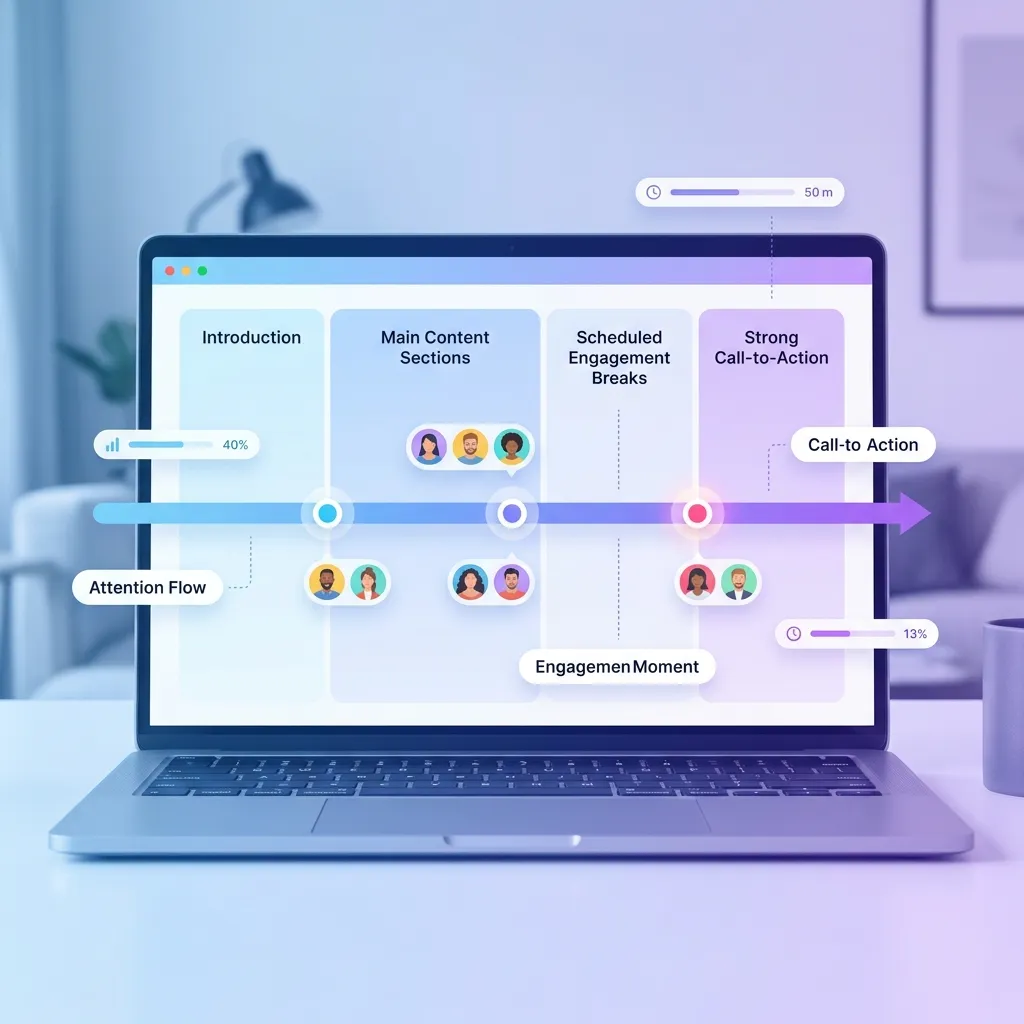
Attention spans begin to wane after approximately 15–20 minutes, so structuring your webinar with deliberate pacing is crucial for maintaining interest and achieving your goals. Start by dividing your content into concise segments of 10–12 minutes, each followed by an interactive element—such as a poll, quiz, or Q&A. This rhythm resets audience attention and transforms passive listening into active participation, helping you boost webinar engagement consistently.
Plan transitions between segments carefully. Use brief musical interludes or slide animations to signal a shift in topic. Verbally summarize key takeaways before moving on, reinforcing learning and keeping participants oriented. If you anticipate complex concepts, intersperse them with real-world examples or mini case studies to break up dense material.
A clear, compelling call to action (CTA) is essential for converting engaged attendees into leads or customers. Towards the end of your webinar, visually display next steps—whether it’s downloading an exclusive guide, signing up for a free trial, or booking a one-on-one consultation. Verbally reinforce this CTA and post a direct link in the chat. Combine urgency (“limited availability”) with value (“comprehensive toolkit”) to drive immediate action.
After the session, follow up promptly with a concise email summarizing key points, sharing on-demand access, and reiterating the CTA. Use the data collected—poll responses, quiz scores, chat questions—to personalize these messages, further amplifying impact. By optimizing the flow of your webinar through strategic pacing and potent CTAs, you ensure that high engagement during the live event leads to measurable results afterward.
Final Thoughts
Boosting webinar engagement requires more than strong content—it requires a system built around interaction, personalization, and strategic flow. From live tools and gamification to post-event nurturing, every stage of the webinar journey matters.
To deepen your strategy further, studying webinar analytics and key metrics can help you measure what works and continuously improve engagement performance.
When executed correctly, these strategies transform webinars from passive presentations into high-converting, interactive experiences that drive real business growth.
FAQ
How can I use interactive polls effectively in my webinars?
Start with clear, relevant questions that align with your objectives, display live results to engage participants, and reference those outcomes throughout your content to create a feedback-driven narrative.
What are some gamification techniques that work best?
mplement short quizzes with immediate scoring, award digital badges or incentives, use scavenger hunts or timed challenges, and incorporate breakout room activities to foster competition and collaboration.
How should I structure my webinar for optimal engagement?
Divide your presentation into segments of 10–12 minutes, follow each with an interactive element like a poll or Q&A, plan smooth transitions, and conclude with a clear, compelling call to action.
What is webinar engagement and why is it important?
Webinar engagement refers to how actively participants interact during a session. Higher engagement helps boost webinar engagement, improves retention, and increases conversions from attendees.
How can I boost webinar engagement from the start?
You can boost webinar engagement by starting with interactive polls, asking questions early, and encouraging chat participation to break the ice.
What are the best tools to boost webinar engagement?
Tools like Mentimeter, Kahoot, Zoom polls, and Slido help boost webinar engagement through live quizzes, polls, and audience interaction features.
How do polls help boost webinar engagement?
Live polls boost webinar engagement by encouraging participation, collecting real-time feedback, and keeping attendees actively involved throughout the session.
Can storytelling help boost webinar engagement?
Yes, storytelling helps boost webinar engagement by making content more relatable, emotional, and easier for audiences to understand and remember.
What role does gamification play in webinars?
Gamification helps boost webinar engagement by adding quizzes, challenges, and rewards that keep participants interested and motivated.
How long should a webinar segment be for better engagement?
Short segments of 10–12 minutes help boost webinar engagement by preventing fatigue and maintaining audience attention.
How does personalization boost webinar engagement?
Personalized content helps boost webinar engagement by making attendees feel valued and delivering more relevant information based on their needs.
What are common mistakes that reduce webinar engagement?
Long presentations, lack of interaction, and no visual variety can reduce engagement and make it harder to boost webinar engagement effectively.
How important is Q&A in boosting webinar engagement?
Q&A sessions are crucial because they boost webinar engagement by allowing real-time interaction and addressing audience concerns directly.
Can follow-up emails help boost webinar engagement?
Yes, follow-up emails boost webinar engagement by reinforcing key points, sharing recordings, and encouraging post-webinar actions.
Conclusion
Boosting webinar engagement requires more than strong subject matter—it demands a carefully orchestrated combination of interactivity, personalization, storytelling, and strategic design. By implementing live polls, gamification mechanics, narrative-driven visuals, and audience-specific touches, you can transform passive viewers into active participants and brand advocates. Structured pacing with periodic engagement checkpoints reduces drop-off and primes attendees for a compelling call to action, both during and after your event.
In today’s digital landscape, consistently refining your approach with insights from authoritative sources like the National Institutes of Health or Harvard University ensures your webinars remain impactful and aligned with best practices. Start applying these techniques in your next webinar to see attendance and participation rates soar. As you gather feedback and experiment with new methods, you’ll cultivate an ever more engaging virtual experience—one that drives real results for your organization.


Josh Lemon, Content Strategy Consultant, has extensive experience in creating compelling webinar content that resonates with audiences. Skilled in storytelling, SEO, and audience insights, Riley helps brands deliver webinars that educate, engage, and convert effectively.



No Comments