


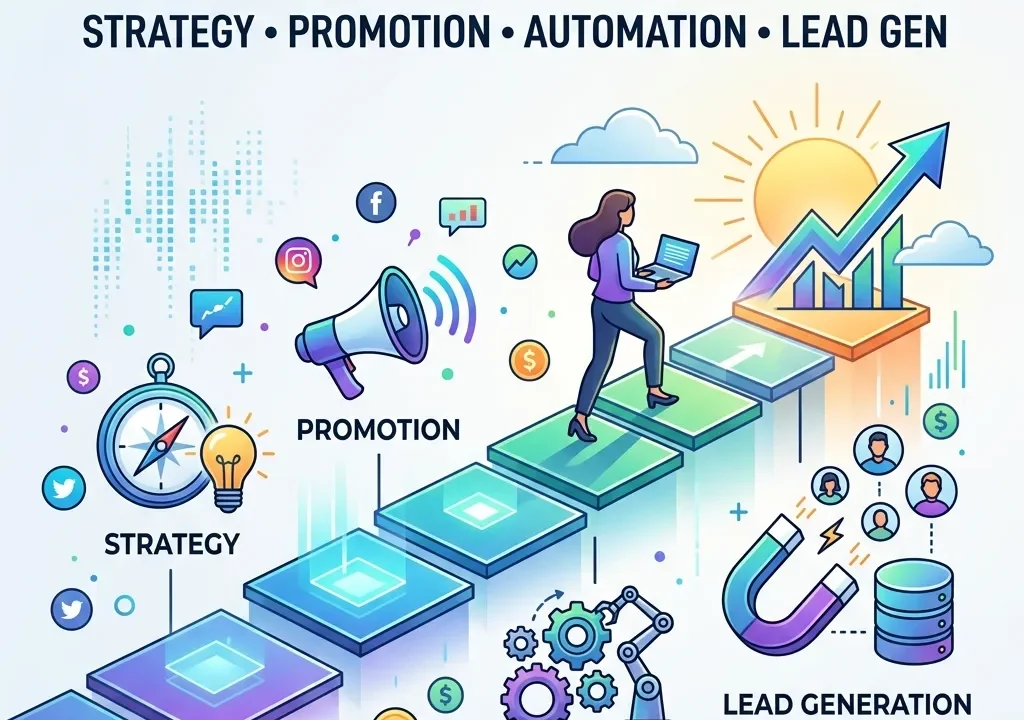
Webinar marketing has become an effective way for businesses to educate audiences, build trust, generate qualified leads, and move prospects through the customer journey. Unlike many traditional marketing formats, webinars allow brands to communicate directly with potential customers while providing valuable educational content.
A successful webinar marketing strategy involves much more than hosting an online event. Businesses need to plan the webinar topic, create valuable content, promote the event, increase registrations, reduce no-shows, engage attendees, nurture leads, and measure conversions after the webinar.
This guide explains the fundamentals of webinar marketing, including webinar content strategy, webinar advertising, invitation emails, reminder emails, automation, lead nurturing, retention, repurposing, on-demand webinars, attribution, conversion tracking, CRM integration, lead scoring, partner marketing, and co-marketing.
What Is Webinar Marketing?
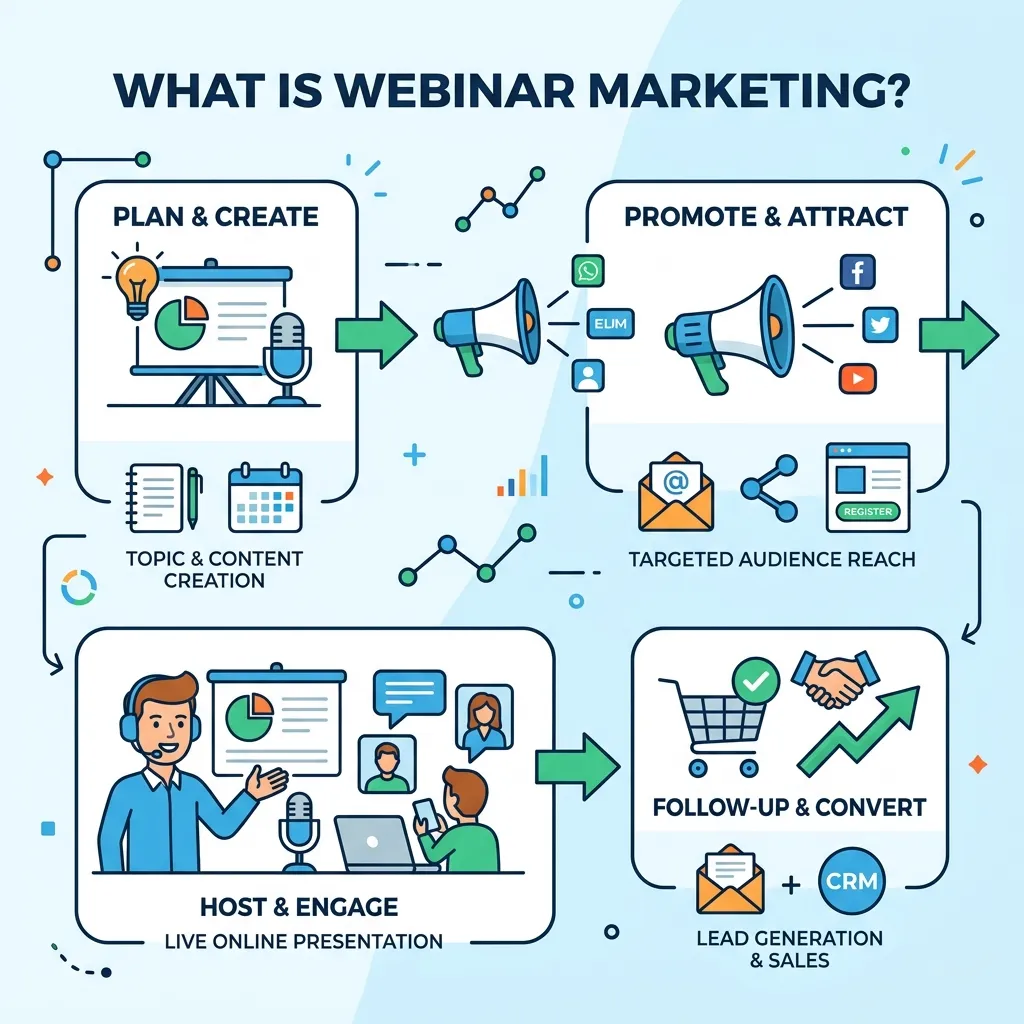
Webinar marketing is a digital marketing strategy that uses online seminars, presentations, workshops, demonstrations, interviews, or educational events to attract and engage a target audience.
A webinar can be live, automated, or available on demand. Businesses can use webinars to educate potential customers, demonstrate products, answer questions, establish expertise, generate leads, and support sales.
Webinars are particularly valuable for businesses that sell products or services requiring explanation or consideration before purchase.
For example, a SaaS company can demonstrate its software, a consulting company can explain an industry challenge, and an educational business can host an expert-led workshop.
Why Is Webinar Marketing Important?
Webinar marketing combines content marketing, lead generation, education, and direct audience interaction.
Some major benefits include:
- Lead generation: Webinars can attract people who are actively interested in a specific topic.
- Audience education: Businesses can explain complex products, services, or concepts.
- Trust building: Expert presentations can establish authority and credibility.
- Direct engagement: Live webinars allow attendees to ask questions and interact with presenters.
- Sales enablement: Product demonstrations and educational sessions can move prospects toward a purchase.
- Content creation: A single webinar can generate multiple pieces of content.
- Lead nurturing: Webinar engagement data can help businesses personalize follow-up communication.
- Measurable performance: Registrations, attendance, engagement, leads, and conversions can be tracked.
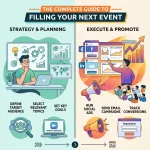
Webinar Marketing Strategy
A successful webinar marketing strategy starts before the event and continues after it ends.
Define the Webinar Goal
Start by identifying the primary purpose of the webinar.
Common objectives include:
- Generating leads
- Educating prospects
- Building brand awareness
- Demonstrating a product
- Supporting sales
- Launching a product
- Building customer relationships
- Establishing industry authority
A clear objective makes it easier to choose the right topic, audience, content, and KPIs.
Identify the Target Audience
Determine who should attend the webinar.
Consider:
- Industry
- Job role
- Experience level
- Business size
- Customer stage
- Pain points
- Interests
- Buying intent
A webinar designed for existing customers will usually have a different topic and message than a webinar designed for first-time prospects.
Choose a Valuable Topic
The topic should solve a specific problem or answer an important question.
Instead of choosing a broad topic, focus on a practical outcome.
For example, a webinar about “Digital Marketing” is broad, while “How to Build a Lead Generation Strategy for B2B SaaS” provides a clearer value proposition.
Create a Strong Webinar Landing Page
The registration page should clearly communicate:
- Webinar title
- Date and time
- Main topic
- Key benefits
- Speaker information
- Registration form
- Call to action
Keep the registration process simple and avoid asking for unnecessary information.
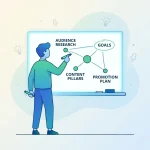
Webinar Content Strategy
A strong webinar content strategy focuses on delivering genuine value while supporting the broader marketing objective.
Start With the Audience’s Problem
Identify the problem your audience wants to solve.
The webinar should provide practical insights, examples, frameworks, or demonstrations that help attendees understand the issue.
Create a Logical Structure
A typical webinar structure can include:
- Introduction
- Problem overview
- Educational content
- Examples or case studies
- Practical solutions
- Q&A
- Relevant offer or next step
Avoid Excessive Promotion
A webinar should not feel like a long sales pitch.
Provide useful information first and introduce the company’s product or service naturally when it is relevant to the problem being discussed.
Include Interaction
Use:
- Polls
- Questions
- Chat
- Surveys
- Q&A
- Interactive demonstrations
Interaction can make the webinar more engaging and provide useful audience insights.
Webinar Promotion
Webinar promotion should begin early enough to give potential attendees time to discover and register for the event.
Businesses can promote webinars through:
- Email marketing
- Social media
- Paid advertising
- Website banners
- Blog content
- Search marketing
- Partner audiences
- Community channels
- Existing customer databases
The promotional message should focus on the value attendees will receive rather than simply announcing the event.
Webinar Invitation Email Templates
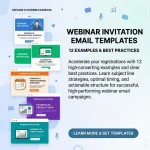
Webinar invitation email templates can help marketers promote upcoming webinars consistently.
An effective invitation email should include:
- A clear subject line
- Webinar topic
- Main benefit
- Date and time
- Speaker information
- Registration CTA
The message should quickly answer the question: Why should I attend this webinar?
Personalized invitations can be especially useful when the webinar is targeted at a specific audience segment.
Webinar Reminder Emails
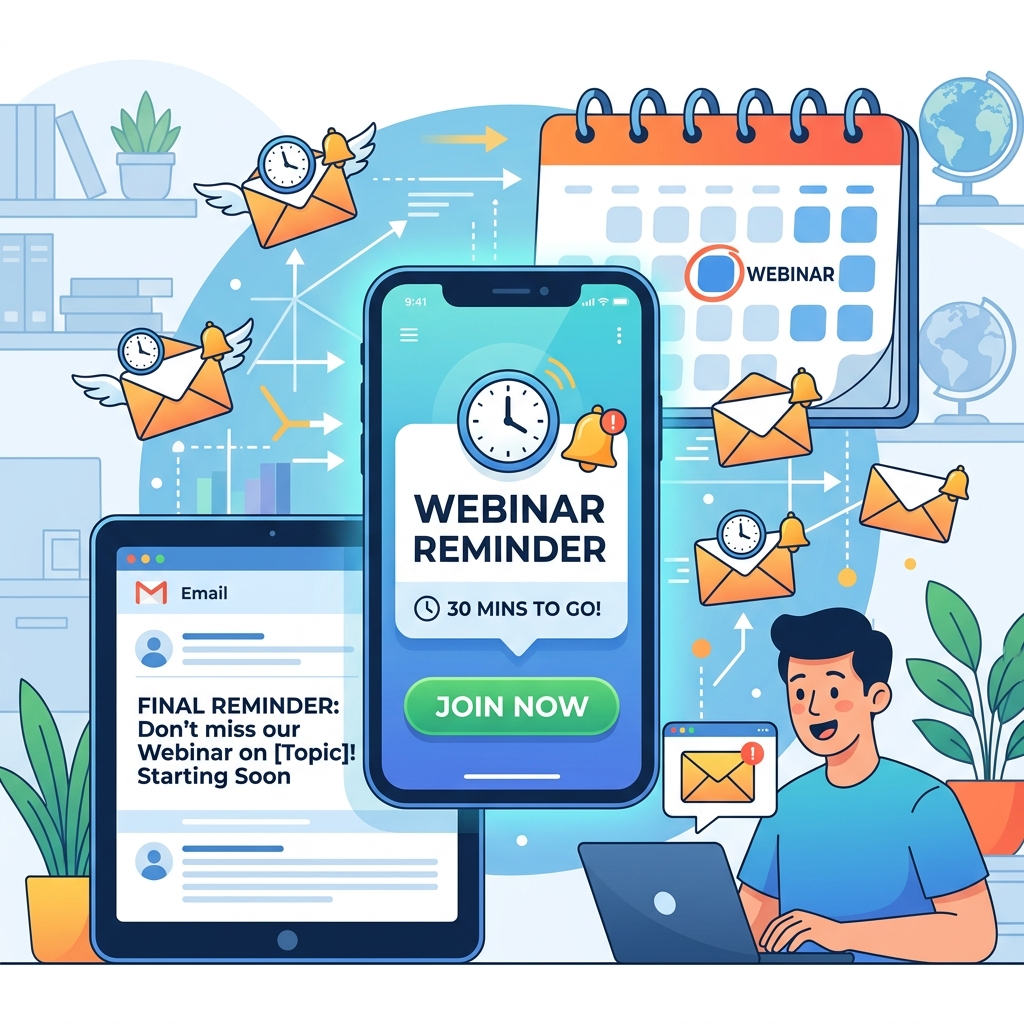
Webinar reminder emails help reduce missed registrations and improve attendance.
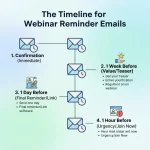
A reminder sequence may include:
Registration Confirmation
Send immediately after registration with the event details and calendar information.
Early Reminder
Send a reminder several days before the webinar.
One-Day Reminder
Remind registrants about the event and reinforce the key benefit.
Final Reminder
Send a short reminder shortly before the webinar starts.
Post-Webinar Email
After the event, send attendees and non-attendees an appropriate follow-up message.
The exact timing can vary based on the audience and webinar type.
Webinar No-Show Rate
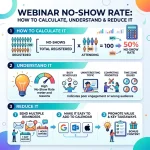
The webinar no-show rate represents the percentage of registered people who do not attend the webinar.
A high no-show rate can reduce the effectiveness of webinar campaigns even when registration numbers are strong.
Businesses can work to reduce no-shows by:
- Sending reminder emails
- Providing calendar invitations
- Communicating clear benefits
- Offering easy access instructions
- Using engaging webinar titles
- Sending last-minute reminders
- Providing an on-demand recording
Registration alone does not indicate webinar success. Attendance and post-event engagement also matter.
Webinar Lead Nurturing
Webinar lead nurturing involves communicating with leads before and after the webinar based on their interests and engagement.
Different attendees may require different follow-up.
For example:
- Highly engaged attendees may receive a product demo invitation.
- Attendees who asked product questions may receive additional resources.
- Registrants who did not attend may receive the recording.
- Low-intent leads may enter a longer educational email sequence.
Lead nurturing should provide relevant information instead of sending the same message to every contact.
Webinar Advertising
Webinar advertising can expand reach beyond an existing audience.
Paid promotion may be used across:
- Search advertising
- Social media advertising
- Display networks
- Professional networks
- Retargeting campaigns
Advertising creative should highlight the webinar’s main benefit and target audiences that are likely to find the topic relevant.
For high-value B2B webinars, it can be more effective to prioritize qualified registrations rather than simply maximizing registration volume.
Webinar Automation
Webinar automation helps marketers manage repetitive tasks throughout the webinar lifecycle.
Automation can support:
- Registration confirmation
- Reminder emails
- Calendar notifications
- Attendance tracking
- Follow-up messages
- Recording delivery
- Lead segmentation
- CRM updates
- Lead scoring
Automation reduces manual work and helps maintain consistent communication.
However, automated communication should still feel relevant and personalized.
Webinar Retention
Webinar retention refers to the ability to keep attendees engaged throughout the event.
Strong retention matters because attendees who leave early may not receive the most important content.
Businesses can improve retention by:
- Starting with a strong opening
- Setting clear expectations
- Using visual content
- Including examples
- Asking questions
- Using polls
- Keeping presentations focused
- Varying presentation formats
- Reserving time for Q&A
Monitoring audience drop-off can reveal which sections of the webinar need improvement.
Webinar Repurposing
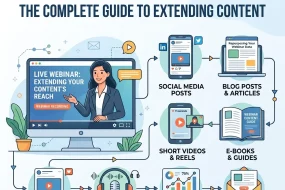
Webinar repurposing allows businesses to turn one webinar into multiple marketing assets.
A recorded webinar can become:
- Blog posts
- Social media posts
- Short videos
- Video clips
- Email content
- Infographics
- Guides
- FAQs
- Podcast episodes
- Sales enablement content
Repurposing extends the value of the original webinar and allows businesses to reach people who could not attend the live event.
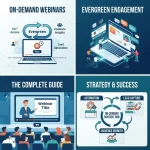
On-Demand Webinars
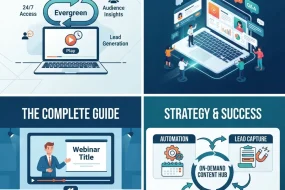
On-Demand Webinars allow audiences to watch webinar content after the live event.
This can be useful for:
- People who missed the live event
- Different time zones
- Long-term lead generation
- Evergreen educational content
- Sales follow-up
- Website visitors
Businesses can place on-demand webinars behind a registration form or make them freely accessible depending on the campaign objective.
An effective on-demand experience should make it easy for viewers to understand the topic, access the recording, and take the next relevant action.
Webinar Attribution
Webinar attribution helps businesses understand how webinars contribute to marketing and revenue.
A webinar may influence a customer at several points in the buying journey.
For example:
Ad → Webinar Registration → Webinar Attendance → Demo → Purchase
Attribution analysis can help identify which channels and webinar activities contribute to conversions.
Businesses should avoid evaluating webinar performance only by registration volume. Revenue influence, qualified leads, and pipeline contribution may provide more meaningful insights.
Webinar Conversion Tracking
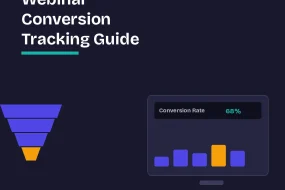
Webinar conversion tracking allows marketers to measure actions taken by users throughout the webinar funnel.
Possible conversion events include:
- Landing page visits
- Registrations
- Attendance
- Content downloads
- Demo requests
- Trial signups
- Sales calls
- Purchases
Tracking these actions helps marketers understand where prospects move forward and where they drop out.
Webinar CRM Integration
Webinar CRM integration connects webinar registration and engagement information with customer relationship management systems.
This can allow businesses to record information such as:
- Registration status
- Attendance
- Watch duration
- Questions asked
- Poll responses
- Follow-up actions
- Lead status
CRM integration can make it easier for sales and marketing teams to identify high-value prospects and coordinate follow-up.
Webinar Lead Scoring
Webinar lead scoring assigns values to leads based on characteristics and behaviors.
For example, a business might give different scores for:
- Registering
- Attending
- Watching most of the webinar
- Asking a question
- Downloading resources
- Visiting a product page
- Requesting a demo
A highly engaged attendee may therefore receive a higher score than someone who registered but never attended.
Lead scoring helps sales teams prioritize prospects based on engagement and potential value.
Webinar Partner Marketing
Webinar Partner Marketing involves collaborating with another organization, expert, influencer, or industry professional to promote and deliver a webinar.
Partners can contribute:
- Subject-matter expertise
- Audience access
- Promotional support
- Industry credibility
- Content resources
Partner marketing can help businesses reach new audiences that they may not be able to access efficiently through their own channels.
Webinar Co-Marketing
Webinar Co-Marketing is a collaborative campaign where two or more organizations jointly promote a webinar or educational event.
A co-marketing webinar can distribute responsibilities such as:
- Content creation
- Speaker participation
- Promotion
- Advertising
- Registration
- Lead follow-up
Before launching a co-marketing campaign, partners should agree on audience ownership, lead sharing, promotional responsibilities, branding, and follow-up processes.
Webinar Marketing KPIs
Measuring webinar performance requires selecting KPIs that match the campaign objective.
Important webinar marketing KPIs include:
- Registration rate
- Number of registrations
- Attendance rate
- No-show rate
- Average watch time
- Engagement rate
- Questions asked
- Poll participation
- Leads generated
- Marketing-qualified leads
- Sales-qualified leads
- Demo requests
- Conversion rate
- Pipeline generated
- Revenue influenced
Registration volume is useful, but it should not be the only success metric.
Webinar Marketing Analytics
Webinar marketing analytics provides insights into the complete event funnel.
Marketers can analyze:
- Registration sources
- Attendance behavior
- Audience retention
- Engagement
- Lead quality
- Conversion behavior
- Revenue contribution
For example, analytics may show that one advertising channel produces many registrations but few qualified leads, while another channel produces fewer registrations but significantly better prospects.
These insights can help improve future webinar campaigns.
Best Practices for Webinar Marketing
Following a few core practices can improve webinar performance.
Choose a Specific Topic
A specific problem-focused topic is usually easier to promote than a broad subject.
Focus on Value
Give attendees practical information they can apply.
Promote Across Multiple Channels
Use email, social media, organic content, advertising, and partnerships where appropriate.
Make Registration Simple
Avoid unnecessary form fields.
Use Reminder Sequences
Multiple relevant reminders can help reduce no-shows.
Encourage Interaction
Use polls, Q&A, chat, and questions to maintain participation.
Follow Up Quickly
Send relevant follow-up content while the webinar experience is still fresh.
Repurpose the Recording
Turn the webinar into additional content assets.
Connect Webinar Data to Your CRM
Integrating engagement information with your CRM can improve lead management and sales follow-up.
How to Build a Successful Webinar Marketing Funnel
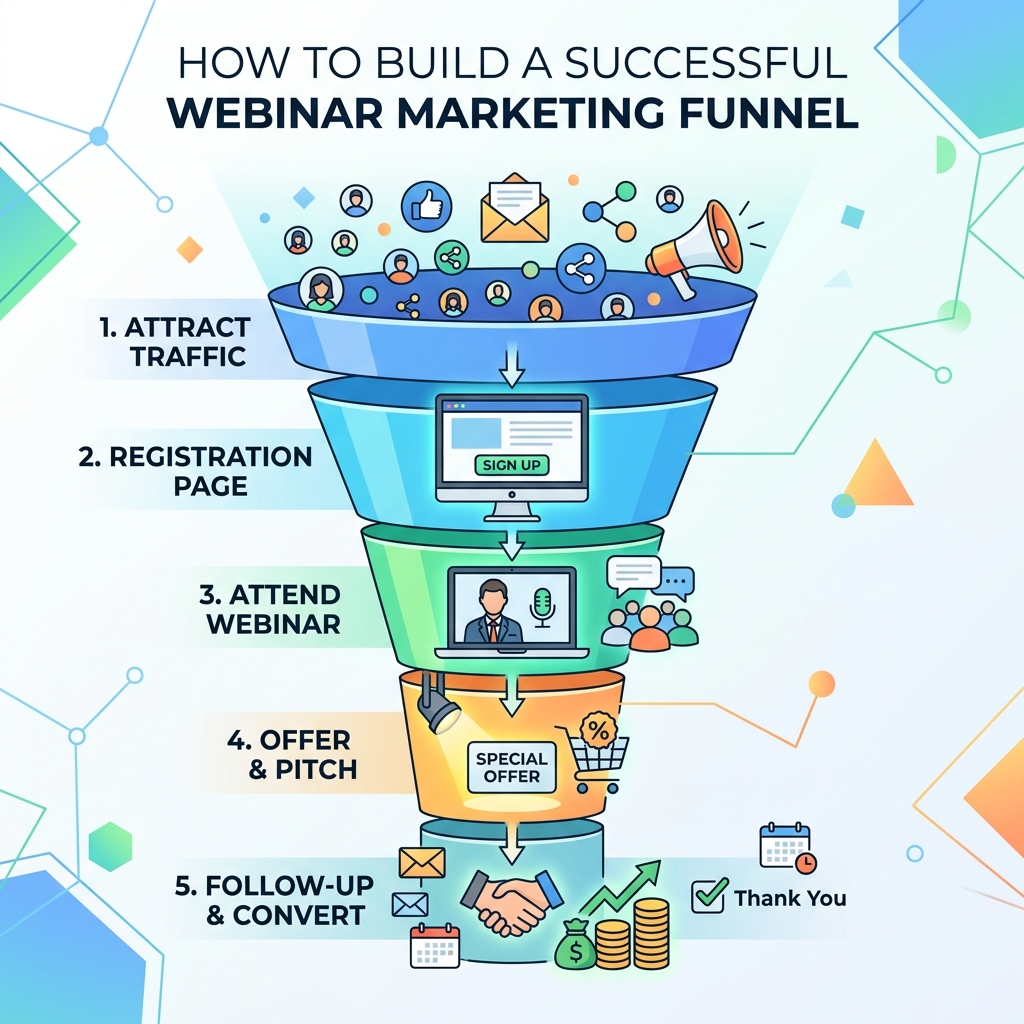
A complete webinar marketing funnel can be structured as:
Awareness → Registration → Attendance → Engagement → Lead Nurturing → Conversion → Retention
At the awareness stage, use content, social media, advertising, partnerships, and email to attract potential attendees.
During registration, clearly communicate the webinar’s value.
After registration, use reminder emails and useful pre-event communication to encourage attendance.
During the webinar, focus on education and engagement.
After the webinar, segment attendees based on their behavior and send personalized follow-up.
Finally, track conversions and revenue to understand the webinar’s overall business impact.
Conclusion
Webinar marketing is more than hosting an online presentation. It is a complete marketing process that can attract audiences, educate prospects, generate qualified leads, support sales, and build long-term customer relationships.
A successful strategy combines webinar content strategy, promotion, invitation emails, reminder emails, webinar advertising, automation, lead nurturing, and retention.
After the event, businesses can extend the value of their content through webinar repurposing and on-demand webinars while using webinar attribution, conversion tracking, CRM integration, and lead scoring to understand and improve marketing performance.
Partner strategies such as webinar partner marketing and webinar co-marketing can further expand reach and introduce the business to new audiences.
The most effective webinar programs focus on delivering genuine value, creating a smooth attendee experience, and using data to continuously improve the entire webinar funnel.
Frequently Asked Questions About Webinar Marketing
What is webinar marketing?
Webinar marketing is a digital marketing strategy that uses online events such as seminars, workshops, presentations, and demonstrations to educate audiences, generate leads, build trust, and support business growth.
Why is webinar marketing important?
Webinar marketing allows businesses to combine educational content, direct audience interaction, lead generation, and measurable marketing activities in one campaign.
How can I reduce my webinar no-show rate?
Use clear value-focused messaging, calendar invitations, reminder emails, easy access instructions, and post-event recordings to encourage registered users to attend.
How many reminder emails should a webinar have?
There is no universal number, but a confirmation email, advance reminder, one-day reminder, and final reminder can create a practical communication sequence.
What is webinar lead nurturing?
Webinar lead nurturing is the process of sending relevant follow-up content to registrants and attendees based on their webinar participation and engagement.
What is webinar automation?
Webinar automation uses software and workflows to manage tasks such as registration confirmations, reminders, attendance tracking, follow-up emails, lead segmentation, and CRM updates.
What is webinar repurposing?
Webinar repurposing means transforming an existing webinar into additional content such as blog posts, videos, social posts, guides, email content, and FAQs.
What are on-demand webinars?
On-demand webinars are recorded webinar sessions that audiences can access and watch after the live event.
What are the most important webinar marketing KPIs?
Important KPIs include registrations, attendance rate, no-show rate, watch time, engagement, leads, conversions, pipeline, and revenue influenced.
How does webinar lead scoring work?
Webinar lead scoring assigns values to leads based on actions such as registration, attendance, watch duration, questions, resource downloads, and demo requests.
What is webinar attribution?
Webinar attribution helps marketers understand how webinars contribute to lead generation, conversions, pipeline, and revenue throughout the customer journey.
Why is CRM integration important for webinars?
CRM integration allows webinar registration and engagement data to be connected with lead records, making segmentation, lead scoring, sales follow-up, and performance analysis easier.







One reply on “Webinar Marketing: The Complete Guide to Strategy, Promotion, Automation & Lead Generation”
[…] For a broader promotional strategy, you can also explore these webinar marketing strategies. […]