


Email marketing remains one of the most powerful tools for webinar success and audience engagement. With the right webinar email sequences, businesses can dramatically increase registration numbers, improve show-up rates, and convert attendees into paying customers. Studies show that strategic webinar reminder emails can boost attendance rates by up to 73%. In many cases, the difference between a packed virtual event and low turnout comes down to how strong your webinar email strategy is.
Most marketers make the mistake of sending just one webinar invitation email and hoping people show up. This approach limits results and wastes potential leads. Smart businesses use structured, multi-step email funnels that move prospects from awareness to registration and finally to purchase. These sequences work for live webinars, evergreen webinar funnels, automated events, and multi-session webinar series.
This guide breaks down the essential components of high-converting webinar email sequences. You’ll learn when to send each message, what content to include, and how to maximize conversion rates using proven webinar email marketing tactics. Get ready to build a system that fills seats, nurtures trust, and increases sales.
Why Webinar Email Sequences Drive Results
Webinar email sequences are powerful because they blend education, nurturing, and trust-building into one automated system. Webinar marketing succeeds when prospects feel connected to the host, understand the value of the content, and stay engaged until the event begins. Your email sequence acts as the bridge between initial registration and final attendance. Without consistent nurturing, even highly interested prospects may forget about your event or lose motivation to attend.
Research shows that sending webinar reminder emails can significantly increase attendance and engagement rates. Many people register with genuine interest, but daily distractions get in the way. A well-timed reminder sequence—combined with strong subject lines, teasers, and value-driven copy—keeps your event top-of-mind without overwhelming subscribers.
A complete webinar email funnel uses multiple touchpoints to move subscribers step by step toward your desired goal. Every email serves a unique purpose: building trust, reducing doubt, highlighting benefits, and encouraging commitment. Whether your webinar is promoting a coaching program, a SaaS product, or digital courses, a strategic email flow increases conversions, strengthens audience relationships, and maximizes revenue potential.
In short, the right webinar follow-up emails, confirmation messages, and reminder stages can completely transform your event results—turning casual registrants into highly engaged attendees and loyal customers.
Building Your Webinar Email Sequence Template
Pre-Registration Phase
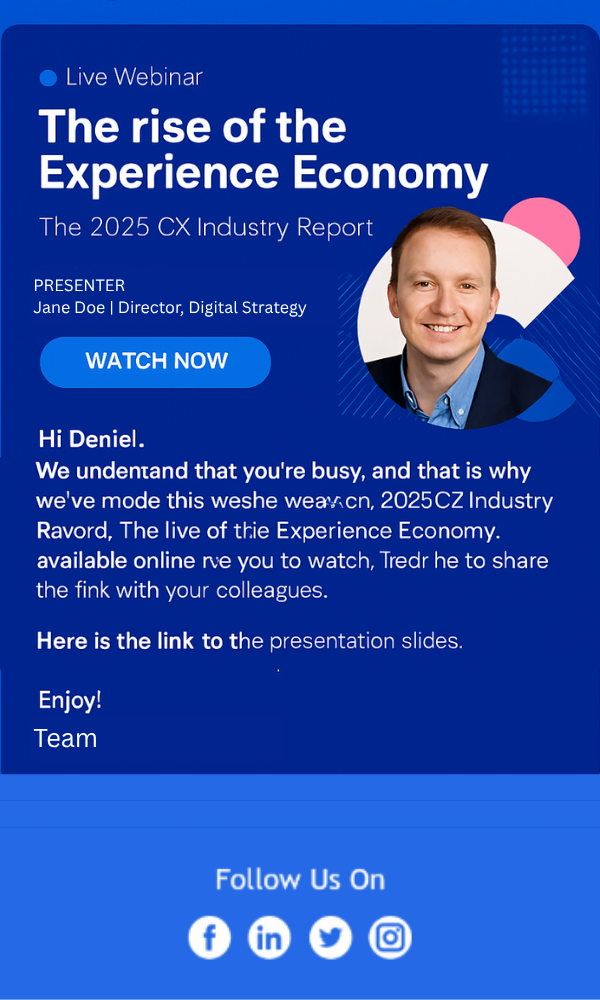
Start promoting your webinar 2-3 weeks before the event date. Your webinar invitation email marketing should create curiosity while clearly stating the value proposition.
Focus on the transformation your audience will experience. Instead of listing features, highlight specific outcomes. For example, “Learn how Sarah increased her revenue by 340% using our three-step framework” works better than “We’ll cover advanced marketing strategies.”
Use social proof in your initial promotion. Mention previous attendee results, your credentials, or media mentions. This builds credibility before people even register.
Confirmation and Welcome Sequence
Send your confirmation email immediately after registration. Include the webinar details, calendar link, and clear next steps. Many people register and forget, so make it easy for them to save the date.
Your welcome email should arrive within 24 hours of registration. Thank registrants for joining and build excitement for the upcoming event. Share a brief agenda or teaser about what they’ll learn.
Consider sending a “what to expect” email 5-7 days before your webinar. This helps set proper expectations and reduces no-shows. Explain the format, duration, and any materials they should prepare.
Reminder Email Strategy
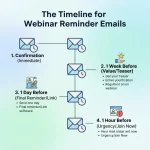
Your webinar reminder sequence is crucial for attendance. Most successful webinar funnels include:
- 7-day reminder: Reinforce the value and share any prep work
- 3-day reminder: Create urgency and address common objections
- 24-hour reminder: Include all technical details and login information
- 1-hour reminder: Final call with direct access link
Each reminder should add new value, not just repeat the same information. Share related tips, case studies, or behind-the-scenes content.
Post-Webinar Follow-Up
Your webinar recording becomes a powerful conversion tool. Send it within 2-4 hours after your live event ends. Strike while interest levels are high.
Include a clear call-to-action in your reply email. Whether you’re selling a product or booking consultation calls, make the next step obvious. Limited-time bonuses work well here.
Follow up with non-attendees separately. They showed initial interest by registering, but missed the live event. Your webinar recording gives them a second chance to engage.
Evergreen Webinar Strategies
Evergreen webinar systems automate your sales process while providing consistent value to new prospects. These automated sequences run continuously, generating leads and sales around the clock.
Your evergreen webinar funnel needs a different timing than live events. Without a specific date, you create urgency through limited-time offers or bonus deadlines.
Set up your evergreen sequence to mimic live event timing. Schedule “reminder” emails based on when someone registers, not calendar dates. This maintains the feeling of a real event.
Test different “air times” for your evergreen webinar. Some audiences prefer morning sessions while others engage better in the evening. Your email sequence should reflect these preferences.
Webinar Series Email Marketing
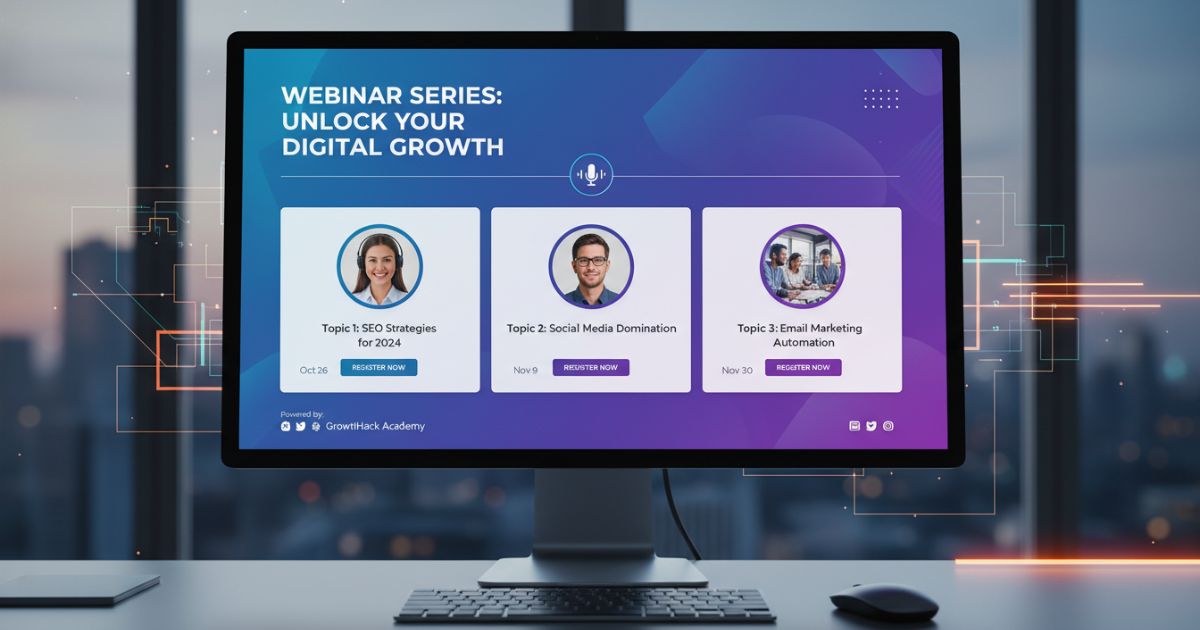
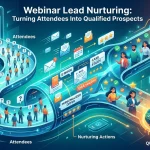
Promoting a webinar series requires a more advanced email marketing strategy than a single event. Each session should build on the previous one while still delivering standalone value for new registrants. This approach supports both audience retention and ongoing webinar lead nurturing.
Your series introduction email is critical. It should clearly explain the full learning journey, highlight the outcome of attending all sessions, and set expectations for the schedule and format. When people understand how each webinar connects, they are more likely to commit to the entire series and increase overall webinar attendance rates.
Inter-session emails help maintain momentum between events. Use these messages to summarize key takeaways from the previous session, share replay links, and tease the benefits of the upcoming webinar. This keeps your audience engaged and reinforces the value of your webinar series funnel.
It’s also important to create separate email tracks. Regular attendees should receive advanced insights, reminders, and loyalty-based messaging, while one-time participants may need more context and onboarding. Smart email segmentation ensures each group receives relevant content that matches their level of engagement.
Technical and Design Considerations
Effective webinar invitation email marketing starts with a clean, mobile-optimized design. Since most users open emails on their smartphones, every message should be tested across devices to ensure readability, fast loading, and clear calls to action.
Include all essential technical details without clutter. Login links, platform requirements, time zone information, and support resources should be easy to locate. Clear formatting improves user experience and reduces last-minute confusion that can hurt webinar show-up rates.
Subject lines should be direct and purpose-driven. Clear messaging such as “Webinar Starts Tomorrow at 2 PM EST” often outperforms vague or overly clever headlines. Strong subject lines improve email open rates and set the right expectations.
Finally, segment your email list based on engagement behavior. Highly engaged subscribers may benefit from frequent reminders and bonus content, while less active contacts may require a lighter email nurture sequence. Proper segmentation helps maximize engagement while preventing email fatigue and unsubscribes.
Measuring and Optimizing Your Sequences
Tracking performance is essential for improving your webinar email marketing results. Monitor key metrics across your entire webinar funnel, including email open rates, click-through rates, registration-to-attendance ratios, and post-webinar conversions. Each metric reveals a different insight—open rates reflect subject line effectiveness, click-through rates show message relevance, and attendance data highlights the strength of your reminder sequence.
Regularly run A/B tests on your webinar reminder emails to identify what drives higher engagement. Test variations in subject lines, send times, email length, personalization, and call-to-action placement. Even small optimizations can lead to noticeable improvements in attendance rates and overall webinar conversion rates.
It’s also important to track the full customer journey, from the first webinar invitation email to the final purchase or booking. Some emails may generate fewer opens but drive more sales, especially post-webinar follow-ups. Focusing only on surface-level metrics can cause you to overlook high-performing webinar follow-up emails that contribute directly to revenue.
Transform Your Webinar Marketing Results
High-performing webinar email sequences balance strategic timing with consistent value delivery. Every email—whether it’s a confirmation message, reminder, or replay email—should guide prospects closer to attending the webinar and taking the next step in your sales process.
Start applying these webinar email sequence best practices in your next campaign. Build a reusable email sequence template and customize it for live webinars, evergreen webinars, or webinar series. Use real performance data to refine your messaging, improve segmentation, and optimize send schedules.
Ultimately, your webinar success depends on more than just strong presentation content. The emails sent before, during, and after your event shape attendance, engagement, and sales outcomes. By mastering webinar email automation, lead nurturing, and performance optimization, you can consistently turn webinars into powerful revenue-driving assets and scale your webinar marketing strategy with confidence.
Conclusion
Mastering webinar email sequences is essential for turning registrations into real engagement and sales. A well-structured webinar email marketing strategy ensures that prospects stay informed, excited, and motivated to attend your event. From the initial webinar invitation email to timely reminder emails and post-webinar follow-ups, each message plays a critical role in improving attendance rates and driving conversions.
Successful webinar funnels are built on strategic timing, audience segmentation, and value-driven messaging. Whether you’re running live events, evergreen webinars, or a multi-session webinar series, optimized email sequences help nurture leads and move them smoothly through the customer journey. By tracking performance, testing subject lines, and refining your messaging, you can continuously improve results. When done right, effective webinar email campaigns don’t just fill virtual rooms—they convert attendees into long-term customers and drive sustainable business growth.
FAQs
What is a webinar email sequence?
A webinar email sequence is a series of automated or scheduled emails sent before, during, and after a webinar. These emails promote registration, send reminders, increase attendance, and guide attendees toward a purchase or next action.
How many emails should be in a webinar email sequence?
A high-converting webinar email sequence usually includes 6–10 emails. This often covers invitation emails, confirmation and reminder emails, and post-webinar follow-ups for both attendees and non-attendees.
When should webinar reminder emails be sent?
Webinar reminder emails are commonly sent 7 days before, 3 days before, 24 hours before, and 1 hour before the event. This timing helps keep the webinar top-of-mind and significantly improves attendance rates.
Do webinar email sequences work for evergreen webinars?
Yes, webinar email sequences work very well for evergreen webinars. Instead of fixed dates, the emails are triggered based on when a person registers, using urgency through limited-time offers or bonus deadlines.
How can I improve conversions from webinar email marketing?
You can improve conversions by using clear subject lines, value-driven messaging, social proof, strong calls-to-action, and segmented email lists. Testing different email timing and content also helps optimize performance.


Josh Lemon, Content Strategy Consultant, has extensive experience in creating compelling webinar content that resonates with audiences. Skilled in storytelling, SEO, and audience insights, Riley helps brands deliver webinars that educate, engage, and convert effectively.


2 replies on “Master Webinar Email Sequences That Convert Attendees Into Customers”
[…] For additional guidance, see this resource on mastering webinar email sequences. […]
[…] For a broader understanding of webinar communication, you can also explore our guide to Master Webinar Email Sequences. […]