



Looking for the best webinar marketing examples to drive registrations and boost audience engagement? This comprehensive guide breaks down proven strategies, campaign tactics, and real-life success stories to help you launch an unforgettable online event. Hosting a webinar is a highly effective way to connect with your audience, share valuable knowledge, and build brand authority. People sign up for these digital events to learn new skills, discover software solutions, or hear from industry leaders. A well-executed presentation can easily turn a casual viewer into a loyal customer. However, getting people to register and actually show up requires a solid strategy. Your target audience likely receives dozens of event invitations every week. Standing out in a crowded inbox means you need compelling messaging, strategic promotion, and a seamless user experience from start to finish.
To help you design a campaign that converts, we have gathered several outstanding webinar marketing examples. By analyzing these tactics across different channels, you can discover fresh ideas to elevate your next virtual event and maximize your return on investment.
Successful Webinar Marketing Campaigns

A truly successful campaign begins weeks before the camera turns on. The best marketers create a multi-channel approach to build anticipation and secure registrations. One excellent tactic involves partnering with complementary brands to co-host an event. By tapping into a partner’s email list and social following, companies can instantly double their reach. The resulting campaigns usually feature shared branding, coordinated announcements, and a unified message highlighting the combined expertise of both hosts.
Another winning formula involves creating a mini-series rather than a standalone event. Instead of asking attendees to commit to a single two-hour block, brands break the content down into bite-sized, weekly sessions. This keeps the audience engaged over a longer period and builds a habit of tuning in, resulting in higher overall attendance and stronger brand affinity.
A winning formula also includes optimizing your messaging. For example, using insights from high-converting webinar title examples can dramatically improve click-through rates and registration volume. Instead of generic titles, successful campaigns focus on urgency, clarity, and transformation-driven messaging.
Webinar Promotion Strategies Examples
Promoting your online event requires more than a single social media post. Effective webinar marketing examples often showcase a staggered promotional timeline. For instance, a software company might release a short, high-energy teaser video on LinkedIn three weeks before the event. Two weeks out, they share a behind-the-scenes look at the presentation deck. Finally, the week of the event, they post short text updates highlighting specific questions the speakers will answer.
Employee advocacy is another powerful promotional tool. Instead of relying solely on the corporate brand account, companies encourage their sales and customer success teams to invite their networks personally. A personalized direct message from an account executive often yields a much higher conversion rate than a generic sponsored post.
High Converting Webinar Landing Pages
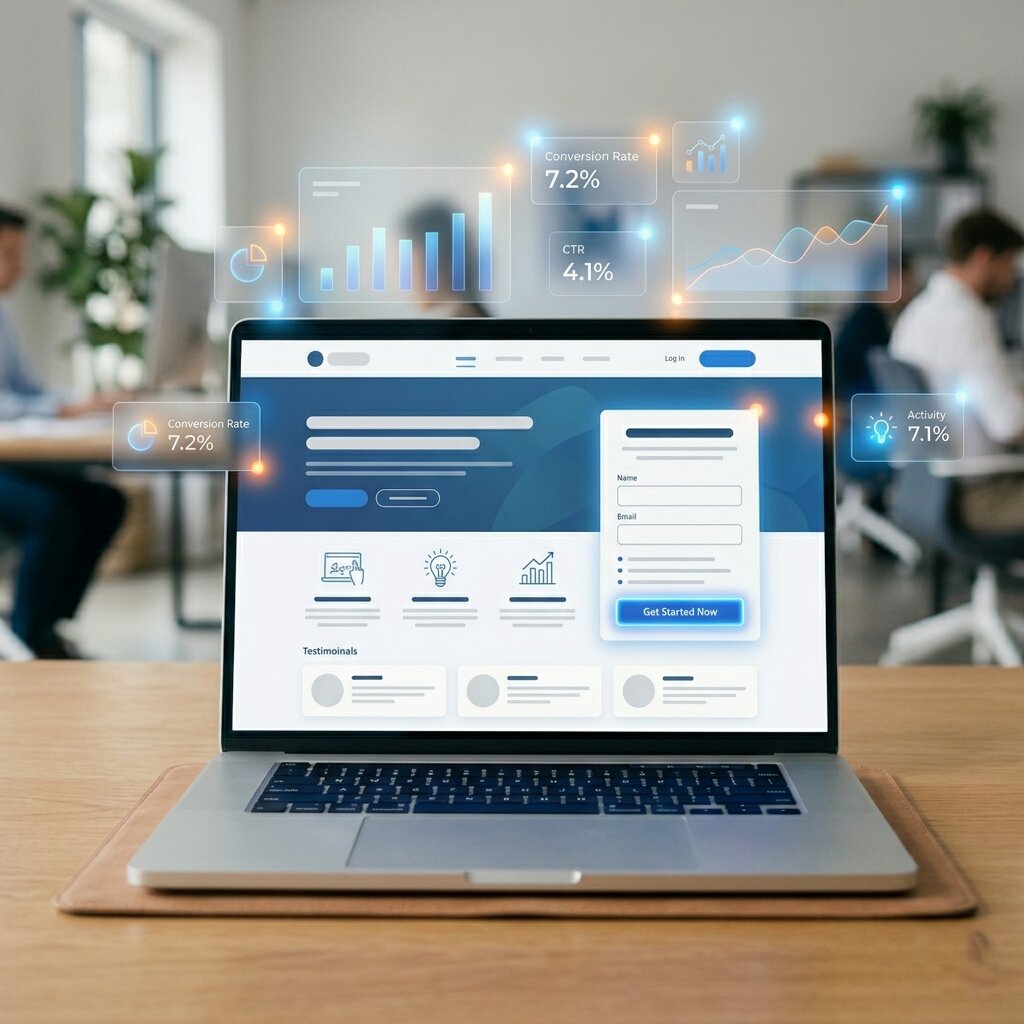
Your landing page is the ultimate deciding factor for potential attendees. If the page is confusing or asks for too much information, visitors will simply leave. High-converting pages share a few common traits: a clear value proposition, compelling speaker bios, and a simple registration form.
Consider a landing page that opens with a bold, benefit-driven headline. Right below the headline, three bullet points outline exactly what the attendee will walk away knowing. The registration form is kept strictly to essential fields—usually just a name and an email address. A countdown timer placed near the submit button can also create a sense of urgency, encouraging visitors to secure their spot immediately.
Email Marketing for Webinar Promotion Examples
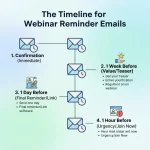
Email remains the most reliable channel for driving webinar registrations. The most effective sequences start early and build momentum. A classic example is a three-part invitation series. The first email serves as a save-the-date, outlining the core topic. The second email, sent a week later, highlights the guest speakers and their credentials. The final email, sent 24 hours before the event, creates urgency by reminding subscribers that time is running out to register.
Post-registration emails are equally important for maximizing the actual show-up rate. Sending a calendar invite immediately after someone signs up ensures the event is blocked out on their schedule. Follow-up reminders sent an hour before the broadcast, complete with a direct join link, drastically reduce the number of no-shows.
Email remains one of the strongest drivers of webinar registrations. A structured sequence is essential, and using proven webinar email sequence strategies can significantly improve open rates and attendance.
Webinar Funnel Marketing Case Studies
A well-structured webinar funnel guides a prospect from complete stranger to paying customer. One notable case study involves a marketing agency that used a free training webinar as the entry point to their funnel. They drove cold traffic to a landing page via Facebook ads. Once registered, attendees were placed into an automated email sequence that provided preliminary reading material, establishing the agency’s authority before the event even began.
During the live webinar, the host provided massive value and actionable tips. In the final ten minutes, they introduced a paid coaching program as the logical next step for those who wanted to implement the strategies faster. Post-webinar, non-buyers received a limited-time replay link and a series of case study emails proving the coaching program’s effectiveness. This structured funnel resulted in a massive surge in program enrollments.
To better understand this structure, exploring a complete webinar sales funnel guide helps break down how leads move step-by-step toward conversion.
Best Webinar Marketing Practices Examples

Following industry best practices guarantees a smoother experience for both the host and the audience. Top marketers always run a technical rehearsal a few days before the live event. This practice run ensures microphones work, screen sharing is seamless, and lighting is optimal.
Another highly recommended practice is incorporating interactive elements throughout the presentation. Rather than talking at the audience for an hour, successful hosts use live polls, Q&A sessions, and chat prompts to keep viewers engaged. For example, asking the audience to drop their geographic location in the chat during the first five minutes immediately breaks the ice and sets an interactive tone for the rest of the session.
Lead Generation Webinar Examples
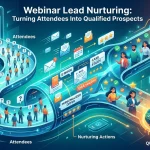
Webinars are exceptional vehicles for generating qualified business leads. A B2B software provider might host an educational session specifically targeting a pain point their software solves. The event is heavily promoted as a free masterclass. Because the topic addresses a specific, high-level business problem, the resulting registration list is packed with highly qualified prospects.
To further qualify these leads, the registration form might include an optional field asking about the registrant’s current software stack or company size. This data allows the sales team to prioritize their follow-up efforts after the event, focusing first on the accounts that match their ideal customer profile.
B2B Webinar Marketing Strategies
Business-to-business audiences value data, actionable insights, and industry trends. B2B webinar marketing strategies often revolve around proprietary research or annual industry reports. For instance, a cybersecurity firm might host an event titled “The State of Cloud Security in,” using data from their own customer base.
Networking opportunities also appeal heavily to B2B professionals. Some companies host virtual roundtable discussions instead of traditional lecture-style webinars. These events cap registration at a smaller number, requiring attendees to turn their cameras on and participate in the discussion. This highly targeted approach builds deep relationships with key decision-makers.
Webinar Advertising Campaign Examples
When organic reach isn’t enough to hit registration goals, paid advertising steps in. Retargeting campaigns are a staple in webinar marketing. If a user visits the webinar landing page but leaves without registering, they are served display ads across social media reminding them to finish their signup.
Search engine marketing (SEM) is another powerful tool. By bidding on keywords related to the webinar’s topic, companies can capture high-intent traffic. If an accounting firm hosts a webinar on tax law changes, they might run Google Ads targeting search queries like ” corporate tax updates.” The ad copy directly highlights the free online training, driving highly relevant traffic to the registration page.
Real Life Webinar Marketing Success Stories
Nothing proves the power of these strategies quite like real-life success stories. An online education platform recently hosted a multi-day virtual summit using webinar technology. By curating a lineup of 20 industry experts, they leveraged the collective audiences of every speaker. The result was over 50,000 registrations and a massive influx of new email subscribers.
In another instance, a boutique consulting firm hosted a highly niche webinar for a specific sector of the healthcare industry. Though their total attendance was only 200 people, the hyper-targeted nature of the content resonated deeply with the viewers. Within a week, the firm closed five high-ticket consulting contracts directly attributed to the attendees of that single virtual event.
Frequently Asked Questions
What is webinar marketing?
Webinar marketing is the process of using online seminars, video presentations, or live broadcasts to promote a business, educate an audience, and generate qualified leads.
How do I effectively promote a webinar?
Effective promotion involves a mix of email marketing, social media posts, employee advocacy, and paid advertising. Starting your promotional efforts at least three weeks in advance is highly recommended.
What is the best day of the week to host a webinar?
Industry data suggests that Tuesdays, Wednesdays, and Thursdays consistently yield the highest attendance rates for professional and business-oriented events.
How long should my webinar be?
Most successful webinars run between 45 and 60 minutes. This provides enough time for a solid 30 to 40 minutes of educational content, followed by a live Q&A session.
Should I offer a replay of the live event?
Yes. Sending a recording to everyone who registered ensures that people with scheduling conflicts can still consume your content and hear your core message.
How do I improve my webinar show-up rate?
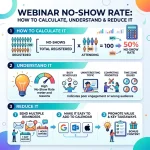
Send multiple reminder emails leading up to the event. A calendar invite upon registration and a direct link sent one hour before going live will drastically reduce no-shows.
What is a webinar funnel?
A webinar funnel is the step-by-step journey a user takes, starting from a promotional ad, moving to a landing page, attending the live event, and eventually receiving follow-up sales emails.
Can I host a webinar for free?
There are several free or low-cost platforms available, such as YouTube Live or Zoom’s basic tiers, making it highly accessible for startups and small businesses to begin hosting online events.
How do I keep my audience engaged during the broadcast?
Incorporate interactive elements like live polls, chat prompts, and dedicated Q&A segments. Changing your slides frequently also helps hold visual attention.
Do I need professional equipment to host an event?
While you do not need a Hollywood studio, investing in a high-quality external microphone and a clear webcam will significantly improve the perceived professionalism of your presentation.
How do I measure the success of my campaign?
Key performance indicators include the total number of registrants, the actual attendance rate, audience engagement metrics during the live session, and the number of leads generated or sales closed.
Are B2B webinar strategies different from B2C?
B2B events typically focus on data, industry trends, and ROI, while B2C events often lean toward product demonstrations, entertainment, and immediate consumer benefits.
What should I include on my registration landing page?
Include a clear headline, bullet points outlining the key takeaways, a brief speaker biography, and a short registration form asking only for essential contact details.
How early should I send out the first promotional email?
Sending a “save the date” or initial invitation email about three to four weeks prior to the event gives your audience ample time to clear their schedules.
What should my post-webinar follow-up look like?
Send an email containing the replay link within 24 hours. Follow this up with a series of emails offering additional resources, answering common questions from the live chat, and presenting your core product or service offer.
Turn These Insights into Your Next Big Event
Reviewing proven webinar marketing examples is the fastest way to refine your own promotional strategy. By applying these tactics to your landing pages, email sequences, and live presentations, you can significantly increase both your registration numbers and your actual attendance rates.
Start by identifying one or two strategies from this guide that align with your current marketing goals. Outline your promotional timeline, build a simple but effective registration page, and focus on delivering immense value during your live session. Consistent execution will turn your online events into a reliable engine for audience growth and lead generation.




No Comments