



Today, webinar events have emerged as a pivotal tool for businesses seeking to engage prospects, drive revenue, and build authority in a crowded online space. With digital offerings multiplying this year , brands that rely solely on intuition risk missing crucial opportunities to connect with their audience. Data-driven webinar marketing bridges this gap by supplying clear metrics that guide decision making at every campaign stage.
When teams leverage real-time attendance figures, engagement patterns, and conversion insights, they can refine content, optimize promotion channels, and maximize ROI. In today’s digital landscape, harnessing analytics not only uncovers which strategies resonate most but also highlights areas in need of improvement. From initial promotion to on-demand replay analysis, a structured, metric-focused approach empowers marketers to evolve their tactics continuously. In this comprehensive guide, we will explore how to implement data-driven techniques, identify essential performance indicators, select the right analytics platforms, and apply findings to amplify webinar success. By the end of this article, you will understand how to transform raw webinar data into actionable insights, ensuring each virtual event outperforms the last. This guide is tailored for marketers, event professionals, and small business owners seeking to scale webinars with confidence.
Understanding the Importance of Data-Driven Webinar Marketing
In today’s competitive online environment, relying on intuition alone is insufficient for crafting webinars that consistently perform. Data-driven webinar marketing transforms your approach by focusing on measurable outcomes rather than assumptions. By tracking attendance rates, engagement levels, and conversion figures, you gain precise insights into what resonates with your audience. This level of detail helps identify strong content segments, ideal presentation lengths, and effective calls to action that compel attendees to move down the funnel.
When organizations adopt a data-driven webinar marketing strategy, they shift from sporadic experiments to continuous optimization. Every webinar becomes an opportunity to gather information, test hypotheses, and refine tactics. For example, analyzing drop-off points during a session can reveal the exact moments when attention wanes, guiding adjustments to pacing, slide design, or interaction prompts. According to a report by Pew Research Center, campaigns aligned with audience data saw up to a 40% lift in engagement compared to those based solely on intuition.
Beyond engagement metrics, data-driven webinar marketing influences promotional planning. By reviewing which email subject lines and ad creative drove the highest registration rates, marketing teams can allocate resources toward channels that generate real demand. This targeted allocation reduces wasted ad spend and accelerates lead acquisition. In addition, integrating UTM parameters and pixel tracking ensures that every click, registration, and replay view is accounted for in platforms like Google Analytics and other analytics suites.
An often-overlooked advantage of data-driven webinar marketing lies in post-event follow-up. By segmenting attendees based on behavior—such as those who asked questions, participated in polls, or downloaded resources—marketers can deliver personalized nurture tracks that resonate with each segment. This tailored outreach typically produces higher email open rates and improved conversion outcomes, reinforcing the value of gathering and leveraging accurate datasets.
Key Metrics to Track for Webinar Success
 To harness the full power of data-driven webinar marketing, you must identify and monitor a set of core metrics that illuminate participant behavior and campaign performance. These indicators serve as the foundation for evaluating success, diagnosing issues, and establishing benchmarks for improvement. Here are the essential metrics to track:
Registration Rate
The registration rate measures the percentage of landing page visitors who complete the sign-up process. Calculated by dividing the number of registrations by total page views, this metric reveals how effectively your promotional copy, imagery, and registration form persuade interested prospects to commit. Industry standards typically range from 20% to 30%, though performance varies by vertical and audience segment. A low registration rate may indicate the need to simplify forms, clarify value propositions, or optimize calls to action.
Attendance Rate
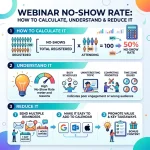
Defined as the ratio of registrants who actually join your live event, the attendance rate uncovers the gap between initial interest and on-the-day participation. If 500 people register but only 250 attend, your attendance rate is 50%. This figure highlights the effectiveness of reminders, calendar integrations, and time scheduling. In data-driven webinar marketing, teams often A/B test email cadences and SMS notifications to boost live attendance.
Engagement Rate
Engagement rate tracks how actively attendees interact during the webinar. This can include poll responses, chat messages, question submissions, and time spent viewing. High engagement rates—often 60% or more—signal that your content is resonating, whereas lower figures prompt adjustments in presentation style, interactivity, or pacing. By drilling down into minute-by-minute engagement, you can pinpoint segments that sustain attention versus those that need enhancement.
Drop-Off Points
Monitoring drop-off points involves analyzing timestamps when viewers exit the session. Identifying consistent exit moments helps refine content flow. For example, a sudden exit spike 15 minutes into a technical demonstration indicates a possible complexity barrier. Implementing user-friendly explanations, short demos, or interactive polls around these junctures can mitigate attention loss and maintain momentum.
Conversion Rate
Conversion rate is the ultimate indicator of how well your webinar drives desired actions, whether that means downloading a whitepaper, signing up for a trial, or making a purchase. Calculated by dividing the number of completed actions by the total attendance, this metric directly reflects the ROI of your webinar efforts. Conversion benchmarks vary widely; however, aiming for a conversion rate above 10% is a good starting point for most B2B webinars.
In addition to these five pillars, data-driven webinar marketing incorporates secondary metrics such as average watch time, replay view counts, and follow-up email engagement. By layering these data points in analytics dashboards—leveraging platforms like Google Analytics, Mixpanel, or native webinar provider reports—you gain a holistic view of your webinar funnel. Continually comparing actual performance against established benchmarks ensures that your campaigns evolve with your audience’s preferences and behaviors. Ultimately, tracking these key metrics within a data-driven webinar marketing framework enables teams to make informed adjustments at every stage—from promotion to follow-up. By establishing clear baselines, experimenting with new tactics, and measuring outcomes rigorously, you create a virtuous cycle of learning that strengthens each subsequent webinar.
Choosing the Right Analytics Tools for Webinars

A critical component of successful data-driven webinar marketing is selecting analytics platforms that align with your objectives, technical infrastructure, and budget. With a wealth of options available, it’s essential to understand each tool’s capabilities, integration requirements, and reporting features before committing. Below are popular categories and examples to consider:
Native Webinar Platform Reports
Most webinar hosting services—such as Zoom, Go To Webinar, Webex, and Demio—offer built-in analytics dashboards. These interfaces display fundamental statistics, including registration counts, attendance numbers, average watch times, and engagement metrics like poll responses and chat activity. While convenient, native reports often lack deep segmentation or event-tracking capabilities. However, they serve as an accessible starting point for teams launching their first data-driven webinar marketing initiatives.
Web Analytics Suites
Integrating your webinar funnel with a dedicated web analytics solution elevates insight depth considerably. Google Analytics 4 enables you to track user acquisition, page navigation, and conversion paths via UTM parameters and custom event tagging. Implementing the GA4 tag on your registration, thank-you, and replay pages permits end-to-end tracking of attendee behavior. Additionally, Google Analytics integrates seamlessly with Google Ads, allowing you to measure paid campaign ROI directly. For implementation guidance, refer to the official documentation.
Advanced User Analytics Platforms
Tools like Mixpanel, Amplitude, and Heap go beyond pageview-based tracking by capturing granular, user-level events across multiple sessions. This event-centric approach is ideal for data-driven webinar marketing strategies that require deep segmentation, funnel visualization, and customized cohort analysis. For instance, you can create a cohort of users who both registered and clicked on in-webinar resource links, then monitor their subsequent site activity. While these platforms offer robust functionality, they often require a steeper learning curve and potentially higher licensing costs.
Customer Relationship Management (CRM) Systems
Embedding webinar registration and attendance data into your CRM—such as Salesforce, HubSpot, or Microsoft Dynamics—ensures that marketing and sales teams operate with unified information. CRM integration allows you to automate follow-up sequences based on attendee behavior, segment leads by engagement level, and track long-term customer value initiated by webinars. In a data-driven webinar marketing model, consolidating data in the CRM fosters seamless collaboration between departments and strengthens lead nurturing workflows.
Data Visualization and BI Tools
For organizations with larger data ecosystems, business intelligence platforms like Tableau, Power BI, or Looker can ingest raw webinar analytics and produce customized dashboards. This level of reporting empowers stakeholders to slice data by region, product line, or campaign type. By blending webinar metrics with CRM and website data, you gain a comprehensive view of your digital performance. Government sources like the USA.gov portal emphasize the importance of cohesive data strategies for effective decision making, which underscores this approach.
When evaluating analytics solutions, weigh factors such as ease of integration, real-time reporting capabilities, and support for custom event tracking. By selecting the right combination of tools that suit your team’s technical maturity and budget, you establish a scalable infrastructure for ongoing webinar optimization within a data-driven webinar marketing framework.
Implementing Effective Tracking Strategies
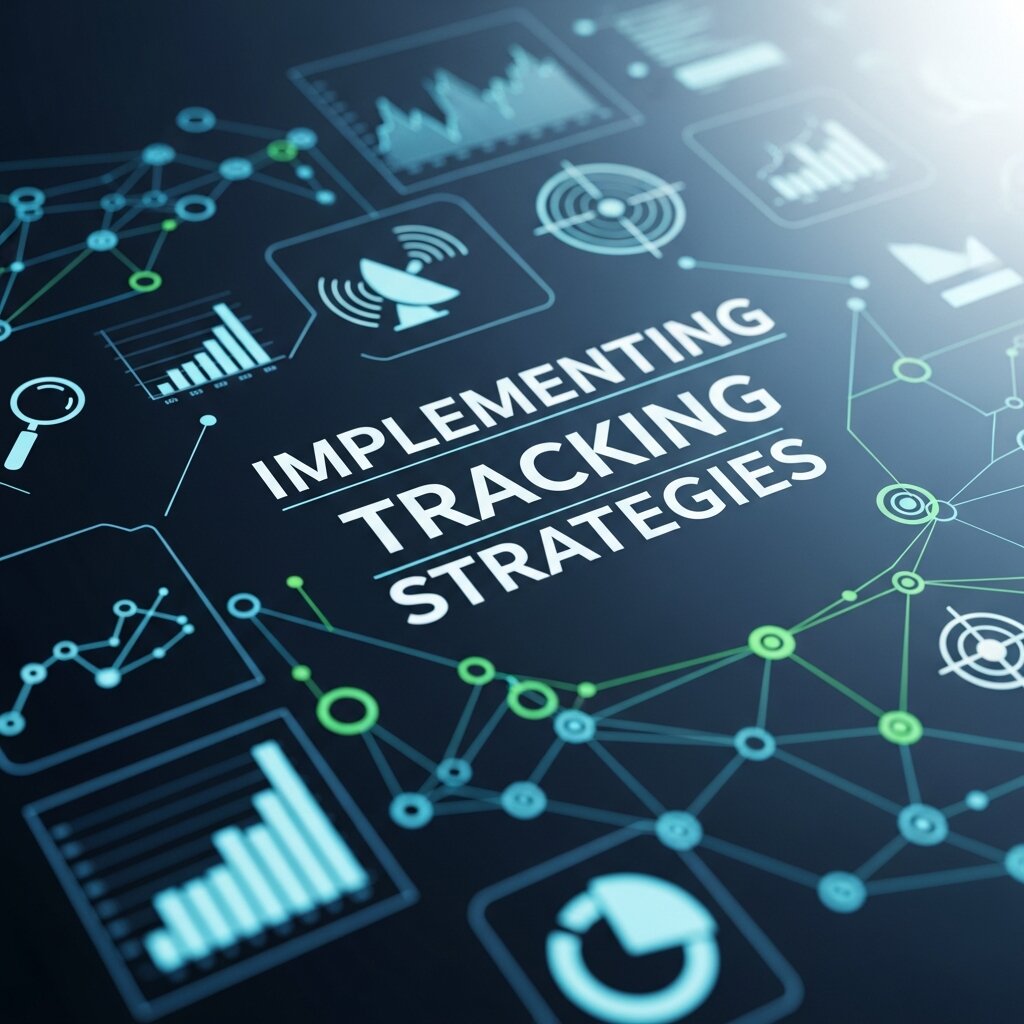
Once you have identified the metrics and chosen the appropriate tools, the next step in data-driven webinar marketing is setting up accurate tracking across all touchpoints. Proper configuration prevents data gaps, eliminates inconsistencies, and ensures that every user action is captured for analysis. Below are best practices to implement robust tracking:
Apply UTM Parameters
Integrate UTM tags into all promotional links—emails, social posts, paid ads, and partner referrals—to pinpoint the precise source, medium, and campaign that drove each registration. Use a standardized naming convention stored in a shared document to maintain consistency. For example, utm_source=newsletter, utm_medium=email, and utm_campaign=webinar_q3. Consistent UTM usage ensures your web analytics suite, such as Google Analytics 4, can aggregate data accurately.
Create Custom Events
In analytics platforms like GA4 or Mix panel, define custom events for each critical action: landing page views, registration submissions, webinar join clicks, resource downloads, and replay views. By establishing these events, you transform raw user behavior into actionable insights. For instance, setting an event for “webinar_joined” allows you to segment audiences who attempted to attend but failed due to technical issues.
Enable Pixel Tracking
If you run paid advertising campaigns on platforms like Facebook Ads or LinkedIn Ads, install the corresponding tracking pixel on your registration confirmation and thank-you pages. Pixel tracking provides visibility into offline conversions and retargeting opportunities. In a data-driven webinar marketing approach, you can create lookalike audiences based on registrants, boosting acquisition efficiency and driving down cost-per-lead (CPL).
Leverage CRM Integration
Link your webinar platform to your CRM to synchronize registrant and attendee data in real time. Platforms like HubSpot, Outreach, and Mailchimp offer native integrations or APIs for automated workflows. As soon as a user registers, a new contact record is created, triggering predefined email sequences or task assignments for sales follow-up. This continuous data flow supports prompt outreach and personalized nurturing campaigns.
Maintain Data Hygiene and Compliance
A well-organized data-driven webinar marketing program rests on clean datasets and ethical practices. Regularly audit your UTM parameters, remove outdated tracking codes, and correct broken links. Additionally, adhere to privacy regulations such as GDPR and CCPA when collecting personal data. Provide clear consent prompts, disclose data usage policies, and store information securely. Consulting resources from official bodies—like the Federal Trade Commission—can help ensure compliance with legal requirements.
By meticulously implementing these tracking strategies, you lay the groundwork for reliable reporting and insightful analysis. Accurate data collection is the cornerstone of iterative testing and continuous improvement, which are fundamental principles in any effective data-driven webinar marketing campaign.
Using Data Insights to Enhance Webinar Performance
With robust tracking in place, the next phase of data-driven webinar marketing involves analyzing the collected information and applying discoveries to elevate your events. This process spans three key stages: pre-webinar, live event, and post-webinar. Below, we discuss how to leverage insights at each stage for maximum impact.
Pre-Webinar Analysis
Before the webinar goes live, data from previous promotions offers a treasure trove of insights. Review UTM-tagged campaign performance to identify which channels—email, paid search, social media, or influencer partners—drive the highest registration rates. In today’s digital landscape, social sharing plays an increasing role, so examine metrics such as click-through rates on LinkedIn posts or video teasers published to platforms like YouTube. By focusing your budget and creative efforts on top-performing sources, you ensure greater reach and higher-quality leads.
Live Event Optimization
During the webinar itself, real-time monitoring tools provide visibility into attendee engagement. If you notice a sharp drop in viewer count at a certain timestamp, insert an interactive poll or Q&A session to re-engage participants. Track chat volume and sentiment to gauge which topics resonate most. Additionally, monitor screen-sharing events and slide progression to ensure content pacing aligns with audience expectations. By responding dynamically, you can salvage sessions that threaten to lose momentum and reinforce your audience’s attention.
Post-Webinar Follow-Up
After the live session concludes, analysis shifts to on-demand interactions and conversion paths. Evaluate replay view counts, email open rates, and landing page visits for related resources. Segment attendees and no-shows into distinct lists: those who completed the webinar, those who registered but did not attend, and those who engaged heavily during the event. Craft targeted follow-up sequences for each segment—sending replay links, additional educational materials, or exclusive offers tailored to their level of engagement. This targeted outreach enhances conversion rates and strengthens relationships with prospects.
Data-driven webinar marketing thrives on iterative testing. A/B test email timings, subject lines, and call-to-action buttons to optimize open and click-through rates. Experiment with different content formats—panel discussions, case study walkthroughs, or product demonstrations—and compare their engagement metrics. Over time, your library of data will reveal patterns that inform future planning, reducing guesswork and improving ROI.
Moreover, incorporate feedback surveys to capture qualitative insights alongside quantitative data. Pair numeric metrics with attendee comments to uncover sentiments and preferences that might not surface in clickstream reports alone. Combining both types of feedback provides a holistic view of your audience, enabling you to craft webinars that not only perform well on paper but also delight participants.
In summary, harnessing data insights throughout the webinar lifecycle empowers your marketing team to make evidence-based decisions that drive continuous improvement. By analyzing performance in pre-webinar, live event, and post-webinar phases, you turn raw numbers into strategic actions that elevate engagement, boost conversions, and reinforce your brand’s reputation in today’s competitive environment.
Conclusion
Data-driven webinar marketing represents the convergence of analytics, strategy, and creativity, offering a clear pathway to sustainable growth in today’s digital landscape. By systematically tracking key metrics—such as registration rates, attendance ratios, and engagement levels—you gain the clarity needed to refine promotion tactics, enhance live presentations, and tailor follow-up outreach. Selecting the right analytics tools, implementing precise tracking strategies, and dissecting insights across pre-webinar, live event, and post-webinar phases ensures that every decision is grounded in evidence rather than intuition.
Frequently Asked Questions


Josh Lemon, Content Strategy Consultant, has extensive experience in creating compelling webinar content that resonates with audiences. Skilled in storytelling, SEO, and audience insights, Riley helps brands deliver webinars that educate, engage, and convert effectively.









No Comments