


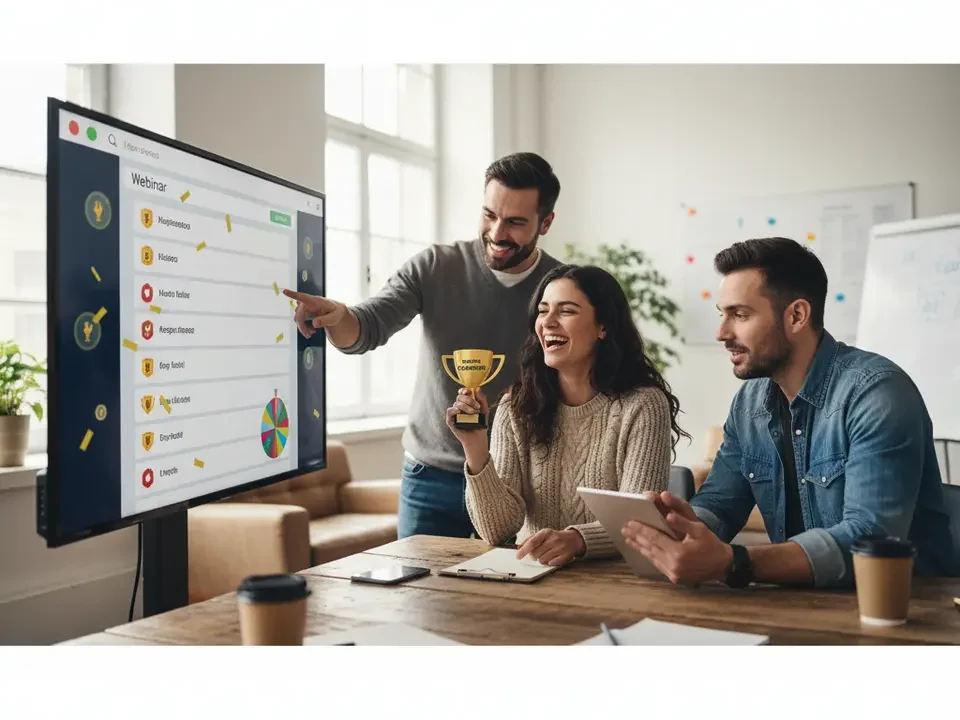
In today’s digital landscape, online events must compete for attention amid a sea of virtual content. Webinar hosts face the dual challenge of attracting registrants and sustaining their interest throughout the presentation. One powerful way to address both goals is through gamification techniques—game-inspired features that transform passive viewers into active participants. By weaving elements such as points, badges, progress tracking, and competitive leaderboards into your webinar format, you create a more immersive, memorable experience that drives attendance, interaction, and conversions. This year (2026), innovative marketers are leveraging these strategies to foster community, enhance learning, and gather actionable insights that inform future campaigns.
Throughout this article, we’ll explore the foundational principles behind gamification in webinars, highlight the main advantages it offers, and break down seven proven mechanics you can deploy without overhauling your existing setup. You’ll also discover best practices for seamless integration, common pitfalls to avoid, and data-driven methods for measuring success. Along the way, we’ll link to authoritative sources such as Harvard University and National Institutes of Health to back up key concepts. By the end of this guide, you’ll have a clear roadmap for employing gamification techniques that elevate your webinars and leave a lasting impression on attendees.
Understanding Gamification in Webinar Marketing
Gamification transforms webinar interactions by tapping into core psychological drivers: competition, recognition, achievement, and collaboration. Unlike simple polls or Q&A segments, gamification techniques connect individual actions within a cohesive reward system. For example, attendees might earn points for early check-ins, correct quiz answers, or chat participation, with a dynamic leaderboard displaying top contributors in real time. This layering of game-like incentives escalates motivation and shifts the mindset from passive consumption to active engagement.
At the heart of effective webinar gamification is the design framework. First, break down your session into measurable interactions—such as answering a poll question, completing a mini-challenge, or sharing a resource. Assign point values that align with your goals: lead generation might value form completions more highly, while product demos could grant extra points for trial sign-ups. Next, determine reward triggers. Will badges be unlocked when attendees reach milestone scores? Will top performers receive exclusive content after the event? Establishing clear milestones fosters a sense of progress, encouraging participants to stay connected from start to finish.
Implementation requires choosing the right platform or plugin that supports interactive modules. Many webinar services offer built-in polling and quiz functions, but a dedicated gamification plugin often simplifies badge issuance, point tracking, and leaderboard visuals. Before going live, test every feature on desktop and mobile to guarantee a seamless experience. By structuring your content around these interactive touchpoints, you harness the power of gamification techniques to turn routine presentations into dynamic experiences.
Top Benefits of Gamification Techniques for Webinar Engagement

Implementing gamification techniques within your webinars yields measurable advantages across attendance, engagement, learning retention, and conversion metrics. One of the most immediate effects is increased registration and reduced no-show rates. When prospects know they’ll have the opportunity to earn rewards or compete for recognition, they perceive your webinar as a memorable event rather than a passive lecture. Marketing teams report signing up up to 30% more attendees when gamified incentives are highlighted in promotional materials.
Once inside the virtual room, attendees are more likely to remain attentive. Short, interspersed challenges such as timed quizzes or spin-the-wheel giveaways break up monologues and re-energize participants. In fact, research indicates that interactive learning boosts information retention by as much as 50% compared to passive listening—an insight supported by studies available through the Centers for Disease Control and Prevention on educational engagement.
Data collection is another major plus. Every click, quiz response, and badge unlock generates rich behavioral data. By analyzing which questions stumped the audience or which reward thresholds motivated sign-ups, you gain actionable insights to refine follow-up sequences and future webinar topics. Moreover, aligning incentives with calls to action—such as granting bonus points for completing a survey or scheduling a consultation—can directly accelerate conversion rates and maximize ROI.
Finally, gamification fosters community building. Leaderboards and team-based challenges encourage friendly competition and peer recognition, strengthening the bond between attendees and your brand. This heightened sense of participation often leads to organic promotion—attendees share their achievements on social media, driving new leads back to your registration funnel. Overall, gamification creates a win-win scenario: engaging experiences for participants and superior results for marketers.
Seven Effective Gamification Mechanics to Apply Today
Choosing the right mix of game elements can significantly impact how webinar attendees interact with your content. Below are seven proven gamification techniques you can deploy with minimal technical overhead.
1. Points and Leaderboards
Award points for key behaviors: early login, poll participation, chat questions, or social shares. Display a live leaderboard to showcase the top scorers and instill a sense of healthy competition. Update the leaderboard at regular intervals to maintain excitement.
2. Digital Badges and Achievements
Create custom badges for milestones like “First to Answer,” “Quiz Expert,” or “Engagement Champion.” Email badges post-webinar, allowing attendees to proudly share them on professional networks.
3. Timed Quizzes and Mini‐Challenges
Embed short, time-limited quizzes at strategic points. Offer bonus points for correct and rapid responses, then review answers to reinforce learning. This technique refocuses attention and provides immediate feedback.
4. Spin-the-Wheel Giveaways
Integrate a virtual spin wheel that participants can activate by completing an action—filling out a survey or providing feedback. Prizes can range from eBooks and discount codes to exclusive consultations.
5. Visual Progress Bars
Display a progress indicator to show how close participants are to unlocking their next reward or completing the webinar. Visual cues tap into the human drive for completion and keep attendees invested.
6. Team-Based Competitions
Divide your audience into virtual teams—by region or at random—and assign points collectively for quiz results and chat engagement. Team dynamics foster collaboration and elevate overall excitement.
7. Riddles and Treasure Hunts
Hide clues or puzzles within your slides or resource links. Encourage attendees to solve these riddles for bonus entries into prize draws, turning passive viewers into active explorers.
By mixing and matching these gamification techniques, you can tailor experiences that suit your content, audience size, and technical capabilities. Test each mechanic in a rehearsal to ensure smooth operation and mobile compatibility.
Best Practices and Common Pitfalls in Gamified Webinars

Successfully integrating gamification techniques requires a balance between excitement and clarity. Overloading your webinar with too many game elements can overwhelm participants, whereas too few may fail to generate the desired engagement. Focus on one or two core mechanics—such as points and quizzes—so attendees understand the rules from the outset.
Align rewards with your overarching goals. If lead generation is paramount, offer premium content access or discount codes as incentives for form completions. For brand building, prioritize badges and social share bonuses that spread awareness. Misaligned rewards—such as generic swag unrelated to attendee interests—can dilute perceived value and reduce participation.
Technical hiccups pose another risk. Always conduct a full tech rehearsal, testing on both desktop and mobile devices, and have backup options in place. Ensure your polling and leaderboard tools function reliably under load to prevent frustration. Clear instructions at the start of the webinar are essential: dedicate a brief overview of how each game element works, where to find progress indicators, and what prizes await top performers.
Inclusivity matters. Design challenges that cater to varying expertise levels by offering easy and advanced question tracks. Encourage quieter attendees by incorporating anonymous response options. After your webinar, solicit feedback on gamification features to identify areas for improvement. This iterative approach helps you refine future events and avoid pitfalls like overcomplication or misaligned incentives.
Measuring Success and Future Trends in Webinar Gamification
Tracking the right metrics is vital for validating the impact of gamification techniques on your webinars. Begin with engagement KPIs: participation rate (percentage of attendees using at least one interactive feature), average watch time, and quiz completion rates. Compare these figures against non-gamified sessions to quantify the lift in stickiness and interest.
Next, assess business outcomes. Monitor lead quality by evaluating how many reward-unlocking attendees convert into customers or schedule demos. Track referral metrics—social shares and new registrations stemming from game-based incentives—to measure organic growth fueled by gamification.
Survey feedback completes the picture. Qualitative data from post-event questionnaires reveals attendee satisfaction levels and highlights which gamified elements resonated most. Use these insights to iterate smartly and invest in the features that drive the highest return.
Looking ahead, emerging trends promise to elevate webinar gamification even further. Artificial intelligence can dynamically adjust quiz difficulty based on real-time attendee performance, creating a personalized journey. Virtual and augmented reality integration will enable immersive environments where participants explore digital spaces and collect virtual items. Blockchain-based tokens or NFTs may serve as tradeable, verifiable badges that extend beyond a single event.
By combining rigorous analytics with a willingness to experiment, brands can stay at the forefront of engagement strategies. As technology evolves, so will the possibilities of gamification techniques—ensuring your webinars remain cutting-edge, captivating, and conversion-driven.
Frequently Asked Questions
What is webinar gamification?
Webinar gamification applies game-inspired elements—like points, badges, challenges, and leaderboards—to online presentations to boost attendee engagement and participation.
Which gamification mechanics should I start with?
Beginners often begin with simple features such as polls with points, timed quizzes, or progress bars. These require minimal setup and effectively re-engage participants.
How do I measure the success of gamified webinars?
Track engagement metrics (poll participation, quiz completion, watch time) alongside business outcomes (lead conversions, survey responses) and compare against non-gamified benchmarks.
What common pitfalls should I avoid?
Avoid overwhelming attendees with too many game elements or misaligned rewards. Always align incentives with your goals and conduct thorough technical rehearsal.
What future trends will shape webinar gamification?
Expect AI-driven personalization, VR/AR environments, and blockchain-based badges or tokens to enhance interactivity and extend engagement beyond single events.
Conclusion
Incorporating gamification techniques into your webinar strategy offers a powerful way to boost attendance, deepen engagement, and drive stronger business outcomes. By understanding the psychology underpinning game mechanics, selecting the right incentives, and implementing best practices, you transform standard presentations into interactive experiences that participants remember and share. Tracking engagement KPIs and conversion metrics ensures you can fine-tune each element for maximum impact, while emerging technologies like AI and VR promise to unlock even richer opportunities in the future.
Ready to elevate your next webinar? Start by introducing a simple quiz or point system, align rewards with your goals, and gather feedback from your audience. With each iteration, you’ll refine your approach, build stronger connections, and watch your metrics soar. Embrace gamification techniques today and discover how playful competition can translate into real-world success.


Jordan Ellis, Webinar Marketing Specialist, has over 10 years of experience designing and executing high-performing webinar campaigns. With a background in digital marketing and audience engagement, Jordan focuses on strategies that increase registrations, boost participation, and drive conversions.















No Comments