


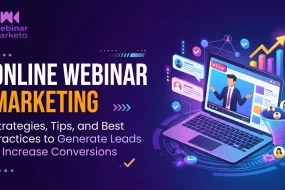
Webinars have become an effective way for businesses to connect with their target audience, share valuable information, build brand authority, and generate qualified leads. However, achieving successful results requires more than simply hosting an online presentation. Businesses need a well-planned strategy that covers promotion, registration, audience engagement, content creation, automation, and post-webinar communication. Following the right webinar marketing best practices can help organizations increase attendance, improve audience participation, and turn webinar viewers into potential customers. This guide explores ten essential strategies to help businesses plan, promote, and manage successful webinars while achieving their marketing goals.
Webinar Marketing Strategies
A successful webinar begins with a clear marketing strategy. Before creating a presentation or selecting a webinar platform, businesses should identify their target audience, understand their needs, and determine what they want to achieve. Some organizations use webinars to generate leads, while others focus on educating customers, introducing products, building brand awareness, or establishing industry authority. Defining these objectives helps marketers create a focused campaign and measure its performance effectively. One of the most important webinar marketing best practices is choosing a topic that addresses a genuine problem faced by your audience. Instead of selecting a broad subject, focus on a specific question, challenge, or industry trend that people want to understand. For example, a digital marketing company could organize a webinar about improving website conversions, while a software business could demonstrate how its platform simplifies everyday business operations.
Audience research also plays an important role in developing an effective strategy. Businesses can use customer surveys, website analytics, social media discussions, and frequently asked questions to discover topics that attract attention. Understanding audience interests makes it easier to create relevant presentations that encourage people to register and attend. Another important consideration is consistency. Rather than organizing webinars occasionally, businesses can develop a regular webinar schedule. Monthly or quarterly sessions give audiences something to look forward to and help organizations build long-term relationships with potential customers.
Effective Webinar Promotion Techniques
Even an informative webinar may receive limited attendance if people do not know about it. Promotion is therefore an essential part of every successful webinar campaign. Businesses should begin promoting their events several weeks before the scheduled date to give potential attendees enough time to discover the event, understand its value, and complete registration. Email marketing is one of the most effective promotional channels. Businesses can send personalized invitations to existing subscribers, customers, and potential leads. An effective invitation should communicate the webinar topic, key benefits, speaker information, date, time, and registration link. A clear call to action makes it easier for interested readers to reserve their places.
Social media is another useful channel for expanding webinar visibility. Businesses can share promotional graphics, short videos, speaker introductions, countdown posts, and educational previews across relevant platforms. These promotional activities help attract people who may not already be part of the company’s email audience. Video content can make promotional campaigns even more engaging. A short promotional video explaining what attendees will learn can create interest and encourage registrations. Businesses looking for inspiration can explore these video marketing examples that drive results to understand how video content can communicate value and support marketing campaigns. Following webinar marketing best practices also means using multiple promotional channels rather than depending on one source of traffic. Combining email campaigns, website banners, partner promotions, online communities, and relevant industry publications can help businesses reach a wider audience.
Webinar Lead Generation Strategies
 Webinars offer businesses an excellent opportunity to generate qualified leads because participants voluntarily show interest in a particular topic. Unlike many traditional advertising methods, webinars allow organizations to provide useful information while identifying people who may be interested in their products or services. The registration form is usually the first step in the lead generation process. Businesses should collect essential information such as the attendee’s name, email address, company, and professional role when relevant. However, asking too many questions can discourage registrations. It is better to keep forms simple and request additional information later when necessary.
Lead magnets can also improve registration rates. For example, businesses can offer downloadable guides, presentation slides, exclusive resources, templates, or industry reports to encourage participation. These resources provide additional value and give attendees a reason to maintain contact with the organization. Another effective approach is to create webinars around different stages of the customer journey. Educational webinars can attract people who are researching a problem, while product demonstrations and comparison sessions can engage individuals who are closer to making a purchasing decision. A well-organized lead generation process should also include audience segmentation. Marketers can categorize participants based on their registration information, questions, attendance duration, and engagement levels. These insights make follow-up communication more relevant and improve the overall effectiveness of webinar marketing best practices.
Best Practices for Hosting Webinars
Hosting a professional webinar requires careful planning, technical preparation, and an organized presentation. Even valuable content can lose its impact when speakers experience technical problems, presentations become confusing, or sessions run longer than expected. The first step is selecting a reliable webinar platform that supports the event’s requirements. Important features may include screen sharing, audience chat, polls, registration management, recording, analytics, and integration with marketing tools. Businesses should compare available platforms and choose one that offers a smooth experience for both presenters and participants.
Preparation is equally important. Speakers should organize their presentations around a clear introduction, informative main sections, practical examples, and a meaningful conclusion. Instead of filling slides with large amounts of text, use simple visuals, relevant statistics, and examples that help explain important ideas. A rehearsal before the event can prevent many common problems. Presenters should test their microphones, cameras, internet connections, screen-sharing functions, and presentation materials. It is also helpful to assign someone to manage attendee questions, monitor the chat, and handle technical issues. One of the most practical webinar marketing best practices is respecting the audience’s time. Start the session as scheduled, explain the agenda, and avoid unnecessary delays. A well-structured webinar that delivers its promised value creates a more professional impression and increases the likelihood that attendees will participate in future events.
Webinar Audience Engagement Tips
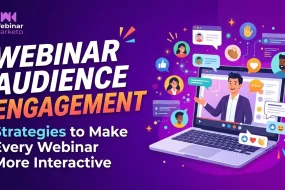
Audience engagement is essential for making webinars informative, interactive, and memorable. A presentation that consists entirely of one-way communication may cause participants to lose interest, even when the subject is relevant. Businesses should therefore create opportunities for attendees to participate throughout the session. Live polls are a simple way to encourage interaction. Presenters can ask questions about audience preferences, industry challenges, or opinions related to the webinar topic. The responses provide useful insights while making participants feel involved in the discussion.
Question-and-answer sessions are another effective engagement technique. Allowing attendees to ask questions gives speakers an opportunity to address specific concerns and provide practical explanations. Businesses can also collect questions during registration to understand what participants expect from the session. Storytelling and real-world examples help maintain attention. Instead of presenting only theories or statistics, speakers should explain how particular strategies work in real situations. Case studies, demonstrations, and practical recommendations make complex information easier to understand.
The use of engaging visuals, short videos, and screen demonstrations can also improve the overall experience. These elements help break up long presentations and make information more accessible. Applying webinar marketing best practices means treating the audience as active participants rather than passive viewers. When people feel involved and receive answers to their questions, they are more likely to remember the presentation and develop a positive impression of the brand.
Webinar Content Marketing Strategy
 Content marketing and webinars work effectively together because a single webinar can become the foundation for multiple pieces of valuable content. Businesses can use webinar recordings, presentation materials, audience questions, and key discussion points to create resources that continue attracting attention after the event ends. The process should begin with selecting a topic that aligns with the company’s content marketing goals. The webinar should address a subject that is relevant to the target audience and connected to the organization’s expertise. This helps businesses attract interested participants while strengthening their position as knowledgeable industry professionals.
After the event, marketers can repurpose the recording into shorter educational videos, blog articles, social media posts, email newsletters, and downloadable guides. Important questions from the audience can also become individual blog topics or frequently asked questions. For example, a webinar about digital advertising could generate several short videos explaining campaign optimization, audience targeting, and budget management. These smaller content pieces allow businesses to reach people who could not attend the original session.
Content distribution should also be considered before the webinar takes place. Businesses can publish promotional articles, create supporting resources, and connect the webinar topic with existing website content. Organizations exploring additional promotional channels can also learn from these direct mail marketing strategies, particularly when they want to combine digital communication with traditional methods of reaching potential customers. A strong content marketing approach ensures that webinars provide value beyond their scheduled broadcast. This is one of the most sustainable webinar marketing best practices because it allows businesses to maximize the return on the time and resources invested in creating each event.
How to Increase Webinar Attendance
Increasing registrations is important, but registrations alone do not guarantee that people will attend. Businesses must develop strategies that encourage registered participants to join the live session at the scheduled time. The first step is creating a compelling webinar title. A good title should clearly explain the subject and communicate the benefit of attending. Instead of using vague titles, focus on specific outcomes, practical solutions, or valuable information that participants can expect to receive.
Timing also influences attendance. Businesses should consider the geographical locations, professional schedules, and preferences of their target audiences. If participants are located in different time zones, selecting a convenient time or offering an on-demand recording can improve accessibility. Reminder emails are particularly important. A confirmation email should be sent immediately after registration, followed by additional reminders before the event. A reminder one day before and another shortly before the webinar can help participants remember the schedule. Calendar invitations also make it easier for attendees to plan their time.
Promotional partnerships can further increase visibility. Businesses can collaborate with industry experts, relevant brands, professional communities, and guest speakers to introduce the webinar to new audiences. Following webinar marketing best practices also involves maintaining interest between registration and the event date. Sharing useful statistics, short previews, speaker introductions, and related educational content can remind registrants why attending the session will be worthwhile.
Webinar Registration Optimization
The registration page has a significant influence on whether interested visitors complete the signup process. Even when a webinar receives strong promotional traffic, a confusing or poorly designed registration page can reduce conversion rates. An effective registration page should clearly explain the webinar’s purpose and benefits. Visitors should immediately understand what the event covers, who should attend, what they will learn, and when it will take place. A descriptive headline and concise introduction can communicate this information without overwhelming the reader.
The page should also introduce the speakers. Adding their names, professional backgrounds, relevant experience, and photographs can build trust and increase interest. When potential attendees recognize the expertise of the presenters, they may feel more confident about registering. Another important element is a simple registration form. Requesting only essential details reduces friction and makes the process faster. The registration button should be visible and use clear language that encourages visitors to reserve their places.
Mobile optimization is equally important because many people discover webinars through smartphones and tablets. Registration pages should load quickly, display properly on different screen sizes, and provide an easy-to-use signup experience. Businesses should also test different headlines, page layouts, calls to action, and form lengths to discover which combinations generate better results. These improvements are central to webinar marketing best practices because even small changes to the registration experience can positively influence conversion rates.
Webinar Marketing Automation
Marketing automation helps businesses manage webinar campaigns more efficiently by reducing repetitive tasks and delivering timely communication. Instead of manually contacting every registrant, marketers can create automated workflows that guide participants through different stages of the webinar experience. The process typically begins with an automated confirmation email. Once someone registers, the system sends event details, a calendar invitation, and relevant joining instructions. Additional reminders can then be scheduled automatically according to the webinar date.
Automation can also help businesses segment their audiences. For example, registered participants, live attendees, people who missed the event, and highly engaged viewers can receive different follow-up messages. This makes communication more relevant and prevents every contact from receiving the same generic email. Integration with customer relationship management systems can further improve lead management. Registration information and engagement data can be transferred into a CRM platform, allowing sales and marketing teams to understand participant interests and prioritize potential opportunities.
Businesses should also use automation to distribute recordings and supporting resources after the event. Participants who want to revisit important information can receive a recording link, presentation slides, or additional educational materials. When implementing webinar marketing best practices, organizations should balance automation with personalization. Automated messages should feel relevant, helpful, and appropriately timed rather than repetitive or overly promotional. Monitoring email performance, delivery rates, and engagement can help marketers improve their workflows over time.
Webinar Follow-Up Strategies
 The marketing process does not end when the webinar finishes. Post-webinar communication is an important opportunity to strengthen relationships, answer remaining questions, and convert interested participants into customers. The first step is sending a thank-you email to attendees. The message should appreciate their participation and provide access to the webinar recording, presentation slides, or any resources promised during the session. This allows participants to review the information and continue learning.
Businesses should also communicate with people who registered but could not attend. Sending them a recording and a short summary of the key topics gives them an opportunity to benefit from the event even though they missed the live presentation. Audience segmentation makes follow-up communication more effective. Someone who attended the entire webinar and asked several product-related questions may be ready for a sales conversation. In contrast, a person who registered but did not attend may benefit from additional educational content before receiving a sales offer.
Another valuable strategy is requesting feedback. A short survey can help businesses understand what participants enjoyed, which topics need improvement, and what subjects they would like to explore in future webinars. Marketers should also review important performance indicators, including registrations, attendance rates, average viewing duration, audience engagement, leads generated, and conversions. These measurements help identify what worked well and what needs improvement. The most effective webinar marketing best practices include using post-event insights to improve future campaigns. Every webinar provides an opportunity to learn more about the audience, refine the content strategy, and create stronger customer relationships.
Conclusion
Webinars have become a valuable marketing tool for businesses that want to educate their audiences, build trust, generate leads, and strengthen their online presence. However, successful results depend on more than delivering an informative presentation. Organizations need to plan their campaigns carefully, promote events through relevant channels, optimize registration pages, encourage audience participation, and maintain communication after the session. By applying these webinar marketing best practices, businesses can create more engaging experiences and develop a repeatable process for attracting and converting potential customers. Consistent planning, useful content, reliable technology, and meaningful follow-up communication can turn individual webinars into long-term marketing assets.
FAQ
1. What are webinar marketing best practices?
Webinar marketing best practices include selecting relevant topics, understanding the target audience, creating valuable presentations, promoting events through multiple channels, simplifying registration, and engaging participants during the session. Businesses should also send follow-up emails and analyze performance to improve future webinars.
2. How far in advance should I promote a webinar?
Ideally, businesses should begin promoting a webinar two to four weeks before the event. This provides enough time to reach potential participants, collect registrations, and send reminders. Larger or industry-specific events may benefit from an even longer promotional period.
3. How can I increase webinar registrations?
You can increase registrations by choosing an attractive topic, creating a clear landing page, highlighting the benefits of attending, using simple registration forms, and promoting the event through email, social media, websites, and relevant partnerships.
4. What is the best way to generate leads through webinars?
The best approach is to create educational content that addresses your audience’s problems and attracts relevant participants. Use a simple registration form to collect contact information, monitor audience engagement, and segment leads according to their interests and readiness to purchase.
5. How long should a marketing webinar be?
Most marketing webinars work well when they last between 30 and 60 minutes. This provides enough time to introduce the topic, explain important concepts, demonstrate solutions, and answer audience questions without making the session unnecessarily long.
6. How can I keep webinar attendees engaged?
Use live polls, Q&A sessions, practical examples, demonstrations, storytelling, and interactive discussions. Encourage participants to submit questions and share their opinions throughout the presentation to create a more engaging experience.
7. Which platforms are best for hosting webinars?
Popular webinar platforms include Zoom, Microsoft Teams, GoTo Webinar, and Demio. The right choice depends on your audience size, budget, integration requirements, automation features, and the level of interaction you want to provide.
8. How does webinar marketing automation work?
Webinar marketing automation uses software to manage repetitive tasks such as registration confirmations, event reminders, attendee segmentation, recording distribution, and follow-up emails. It saves time and helps businesses communicate with participants more consistently.
9. What should I do after hosting a webinar?
After hosting a webinar, send thank-you emails, share the recording, provide additional resources, collect audience feedback, and follow up with potential leads. You should also review registration numbers, attendance rates, engagement, and conversions to evaluate campaign performance.
10. How can I measure the success of a webinar marketing campaign?
You can measure success by tracking registrations, attendance rates, participant engagement, average viewing duration, questions submitted, leads generated, and sales conversions. Comparing these metrics with your original objectives helps determine whether the webinar achieved its marketing goals and what improvements are needed.







No Comments