


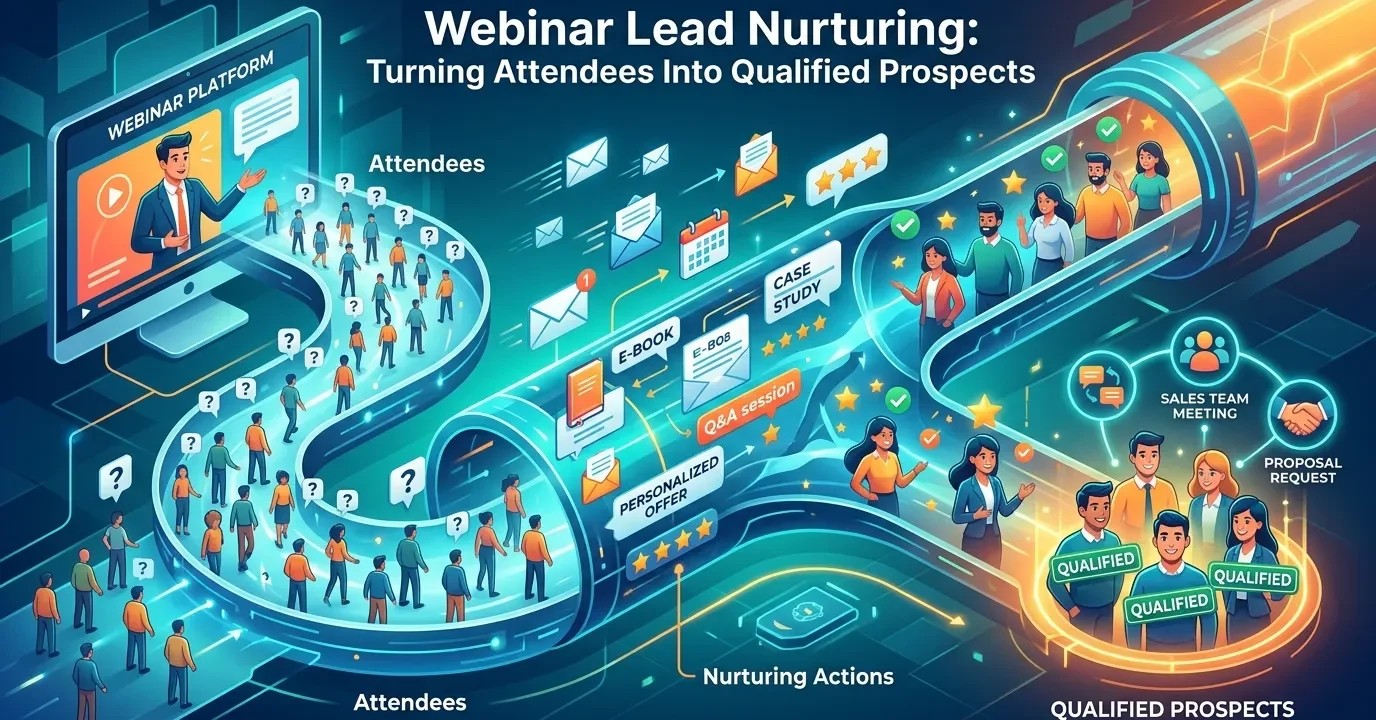
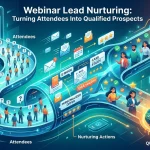
Webinar lead nurturing helps businesses turn webinar registrations and attendance into meaningful sales opportunities. Through personalized follow-up, email nurturing, automation, segmentation, useful content, and engagement tracking, marketers can continue building relationships after an event. A well-planned nurturing process connects webinar lead generation with long-term customer acquisition and helps convert engaged attendees into qualified leads.
What Is Webinar Lead Nurturing?
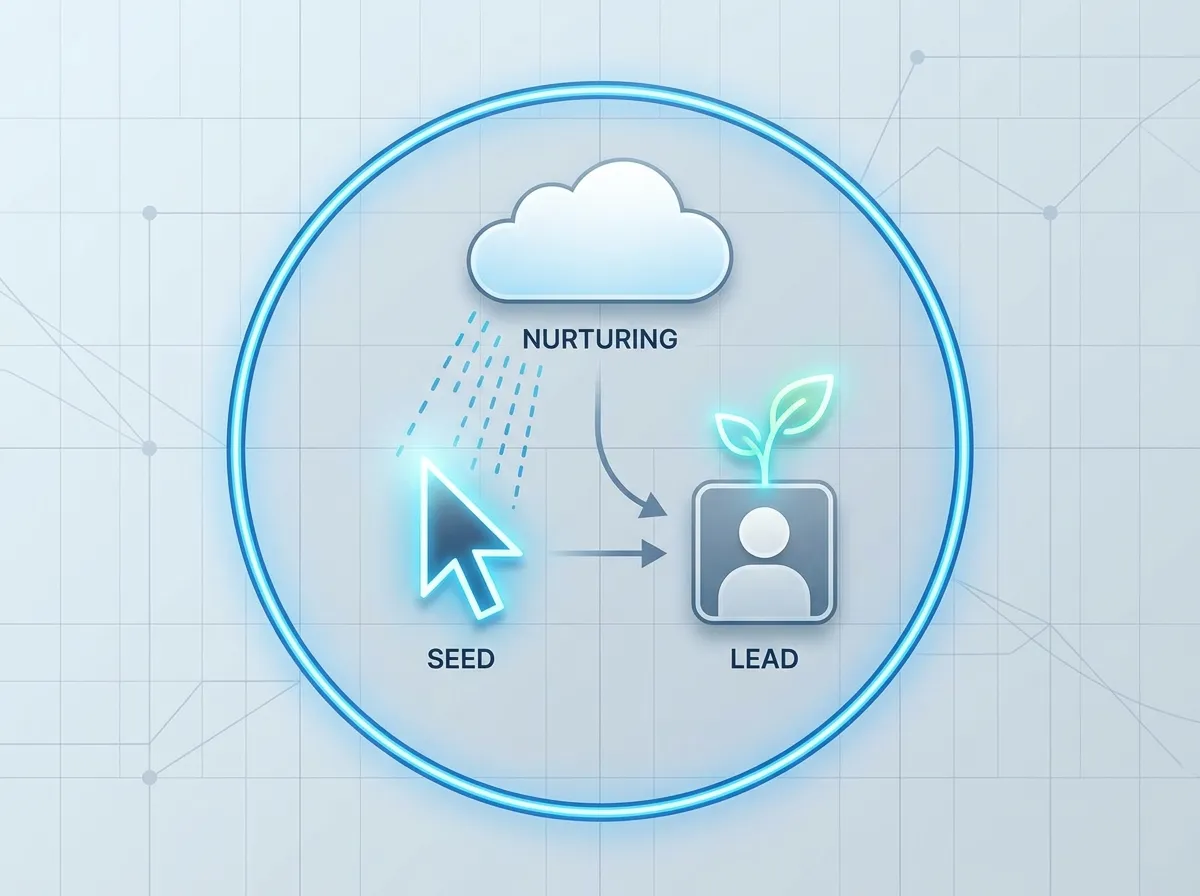
Webinar lead nurturing is the process of building relationships with people who register for or attend a webinar and guiding them toward becoming qualified sales prospects. A webinar can generate valuable engagement, but registration or attendance alone does not necessarily mean someone is ready to make a purchase.
Many attendees need additional information before they become customers. They may want to review the webinar recording, explore related content, compare solutions, understand pricing, or discuss their specific requirements with a sales representative.
Effective nurturing keeps the conversation going after the webinar. Instead of treating the event as the final marketing activity, businesses can use attendee behavior and interests to create relevant follow-up experiences.
Why Webinar Lead Nurturing Matters
Webinars often attract people who have already shown interest in a particular topic, problem, product, or industry. This makes webinar audiences valuable sources of potential leads.
However, not every attendee has the same level of buying intent. Some people may attend because they are researching a topic, while others may be actively evaluating solutions. A strong webinar lead nurturing strategy recognizes these differences and delivers appropriate communication based on each person’s engagement.
Nurturing can also extend the value of the webinar itself. A single presentation can become the starting point for emails, articles, recordings, case studies, product demonstrations, and sales conversations.
For organizations focused on B2B marketing, this extended engagement can be especially valuable because business purchases often involve multiple decision-makers and longer sales cycles.
Connecting Webinar Lead Generation With Nurturing
Webinar lead generation and nurturing work best when they are treated as connected parts of the same marketing process. Lead generation attracts and captures potential prospects, while nurturing develops those relationships after registration and attendance.
The information collected during registration can help marketers understand an attendee’s interests. Questions about job role, company size, industry, challenges, or areas of interest can support audience segmentation.
Engagement data provides another layer of insight. Attendance duration, poll responses, questions asked, content downloads, and clicks on follow-up emails can indicate different levels of interest.
Rather than sending identical messages to everyone, businesses can use this information to create more relevant communication.
Post-Webinar Lead Nurturing
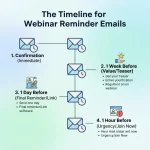
Post-webinar lead nurturing begins immediately after the event. The first communication should acknowledge the attendee’s participation and provide useful next steps.
Attendees can receive the recording, presentation materials, additional resources, or answers to common questions. This creates an opportunity to continue the value provided during the webinar rather than immediately switching to a sales-heavy message.
For people who registered but did not attend, the communication can be slightly different. Providing the recording and a short explanation of what they missed can encourage them to engage with the content.
The objective is to keep the topic relevant while giving prospects additional reasons to interact with the brand.
Developing a Webinar Follow-Up Strategy
A webinar follow-up strategy should reflect the attendee’s relationship with the event. Someone who watched the entire presentation and asked several questions may deserve different communication from someone who registered but never attended.
Highly engaged attendees can receive more detailed resources, product information, consultation invitations, or case studies related to the webinar topic. Less-engaged contacts may benefit from educational content that helps them understand the problem before receiving a stronger sales message.
Timing also matters. Sending a useful follow-up shortly after the event keeps the experience fresh, while additional messages can gradually provide deeper information.
The best follow-up does not simply ask, “Are you ready to buy?” It answers the questions prospects are likely to have next.
Webinar Email Nurturing
Webinar email nurturing is one of the most effective ways to maintain communication with attendees. Email allows marketers to deliver personalized content based on interests and engagement.
An initial email can thank attendees and provide the recording. A later message can share a related article, research report, case study, or practical resource. Another email might address a common challenge discussed during the webinar.
As prospects continue interacting, communication can become increasingly specific. Someone repeatedly clicking product-related content may be closer to a sales conversation than someone who only opened the first email.
The goal is to create a progression where every message provides useful information while gradually moving prospects toward the next stage of the buying journey.
Building a Lead Nurturing Campaign
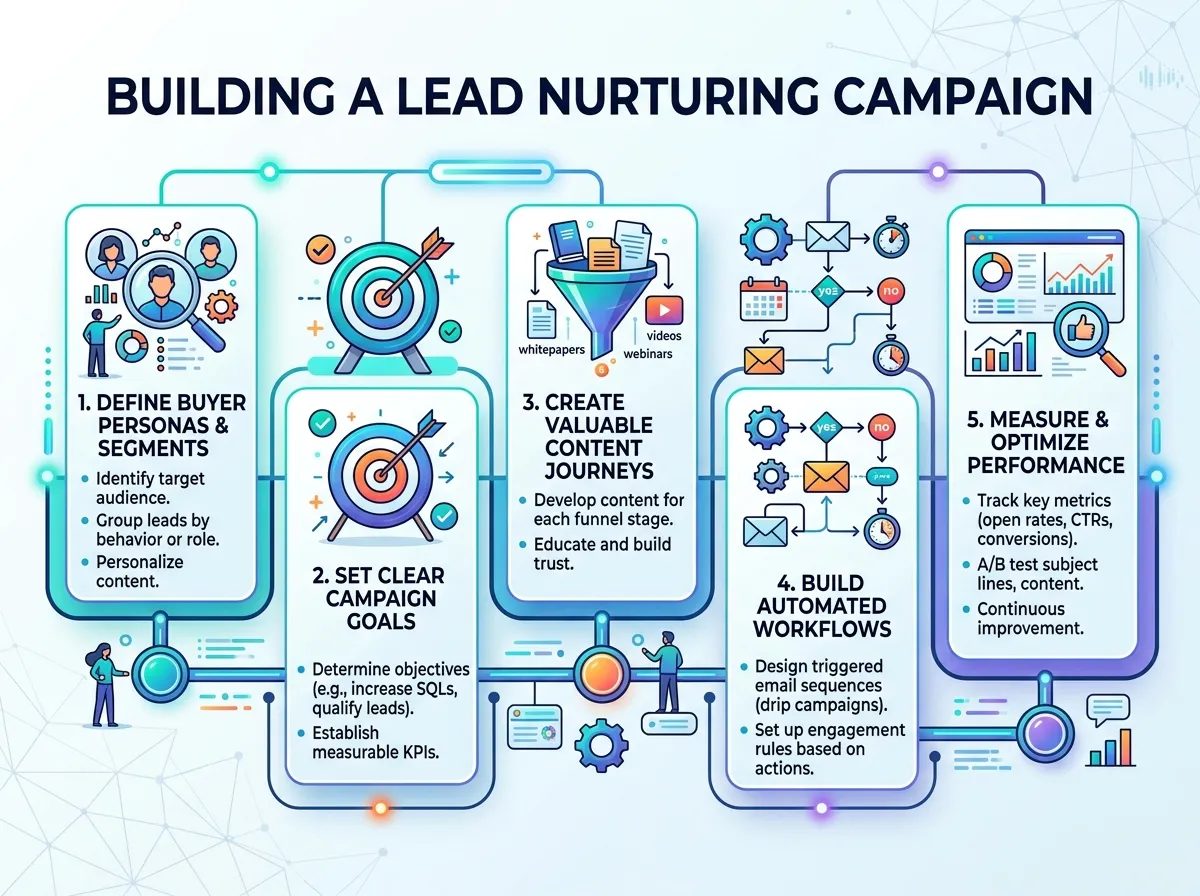
A lead nurturing campaign should have a clear purpose and logical progression. Instead of sending random promotional emails, marketers can create a sequence based on the questions and decisions prospects typically encounter.
For example, a campaign might begin with educational information, move into practical examples, introduce case studies, explain potential solutions, and eventually provide an opportunity to speak with a sales representative.
Content should remain connected to the webinar topic. If the webinar focused on marketing automation, follow-up resources should continue addressing automation challenges, opportunities, implementation considerations, and relevant solutions.
This creates continuity between the event and the nurturing experience.
Webinar Attendee Follow-Up
Webinar attendee follow-up should also consider engagement signals. Attendees who stayed until the end may demonstrate stronger interest than those who left after a few minutes.
Questions and polls can provide particularly valuable information. Someone who asks about implementation costs or integration requirements may have a different level of intent from someone who only watches an introductory section.
Sales and marketing teams can use these signals to prioritize outreach. This helps prevent sales representatives from treating every webinar attendee as an identical prospect.
It can also improve the customer experience because prospects receive communication that is more closely aligned with their interests.
B2B Webinar Lead Nurturing
B2B webinar lead nurturing requires particular attention to longer buying cycles and multiple stakeholders. A webinar attendee may not be the person who ultimately approves a purchase, but they can influence the decision by sharing information internally.
For this reason, B2B nurturing should provide resources that are easy to share with colleagues. Case studies, research, product comparisons, implementation information, and business outcome-focused content can help prospects build an internal case for a solution.
Lead scoring can also help identify when an attendee is becoming sales-ready. Marketing teams can assign different values to behaviors such as attending a webinar, downloading resources, visiting product pages, requesting information, or booking a meeting.
This creates a more structured transition between marketing engagement and sales activity.
Webinar Marketing Automation
Webinar marketing automation makes it easier to manage follow-up communication at scale. Automation platforms can trigger emails based on registration status, attendance, engagement, clicks, downloads, and other behaviors.
For example, an attendee who watches most of a webinar could enter a high-engagement sequence, while someone who registers but does not attend could receive a recording-focused sequence.
Automation can also help synchronize webinar data with customer relationship management systems. This allows sales teams to see relevant engagement information before contacting a prospect.
However, automation should not mean sending more messages simply because the technology makes it possible. The best automated campaigns remain useful, timely, and relevant.
Businesses should also review their event processes regularly. Resources such as Webinar Marketing Mistakes to Avoid and How to Fix Them can help marketers identify problems that may reduce engagement or weaken the overall webinar experience.
How to Convert Webinar Attendees Into Leads
To convert webinar attendees into leads, businesses need to provide clear opportunities for continued engagement. A webinar should give attendees a reason to take another step.
That next step might be downloading a detailed resource, requesting a product demonstration, registering for another event, speaking with an expert, or exploring a relevant solution.
The call to action should match the prospect’s level of intent. An educational attendee may respond better to another useful resource, while a highly engaged prospect may be ready for a consultation.
The webinar itself should also establish trust. Strong presentations, knowledgeable speakers, useful examples, and practical insights can increase the likelihood that attendees will continue interacting with the business.
For broader webinar marketing strategies, Mastering Webinar Marketing provides additional context on using webinars as part of a growth-focused marketing approach.
Choosing the Right Webinar Technology
Technology can influence both the webinar experience and the quality of information available for lead nurturing. Registration, attendance tracking, engagement data, recordings, integrations, and analytics can all contribute to a stronger nurturing process.
Choosing a platform should therefore involve more than looking at presentation features. Businesses should consider how easily webinar data can connect with their marketing and sales systems.
A comparison of available solutions can be found in Best Webinar Platforms Comparison, which can help businesses evaluate different webinar technologies.
Improving Audience Engagement Before and After the Webinar
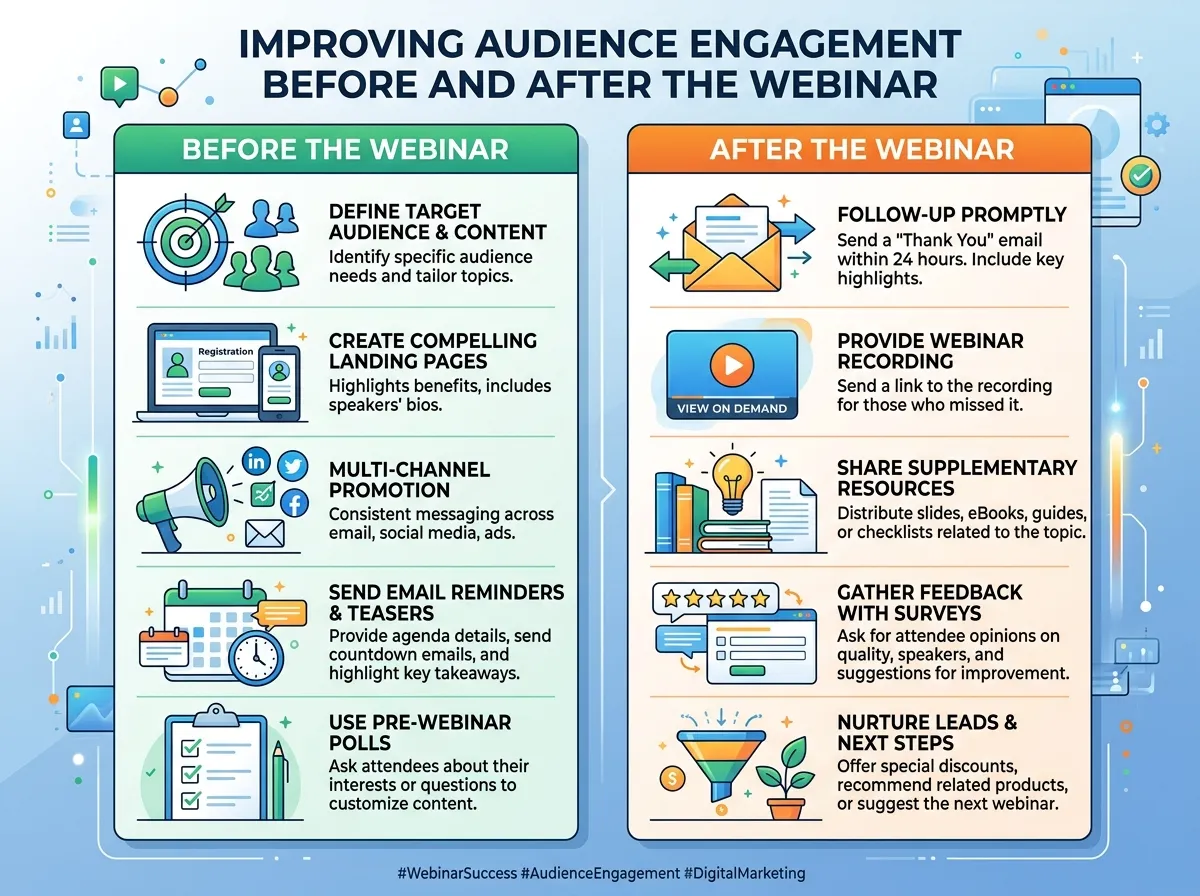
Lead nurturing becomes easier when attendees are genuinely engaged with the event. Interactive elements such as polls, questions, demonstrations, and discussions can generate useful behavioral signals.
Engagement should continue after the webinar as well. Follow-up content can invite attendees to share their opinions, explore related resources, or participate in another discussion.
Businesses can also study Webinar Audience Retention to understand how keeping attendees engaged throughout an event can strengthen the overall webinar experience.
Measuring Webinar Lead Nurturing Success
The success of webinar lead nurturing should be measured beyond registration numbers. Important metrics can include attendance rates, engagement levels, email open and click-through rates, content downloads, meeting requests, qualified leads, sales opportunities, and revenue influenced by the webinar.
Tracking the complete journey provides a better understanding of the webinar’s business value. For example, a webinar with fewer attendees may ultimately generate more qualified opportunities than an event with a much larger but less relevant audience.
Marketers should also monitor where prospects stop engaging. If many attendees open the first email but ignore subsequent messages, the content or timing may need adjustment.
Final Thoughts
Webinar lead nurturing transforms a webinar from a one-time marketing event into an ongoing relationship-building opportunity. By combining thoughtful follow-up, relevant content, audience segmentation, email nurturing, automation, and sales coordination, businesses can guide interested attendees toward becoming qualified prospects.
The strongest nurturing programs focus on relevance rather than volume. Every interaction should help prospects understand their challenges, evaluate possible solutions, and decide what to do next.
When webinar engagement data is connected with a structured nurturing process, businesses can generate more value from every event while creating a smoother path from attendee to customer.
Frequently Asked Questions
1. What is webinar lead nurturing?
Webinar lead nurturing is the process of communicating with webinar registrants and attendees after an event to build relationships and move them toward becoming qualified prospects. It may involve follow-up emails, educational content, recordings, case studies, product information, and sales conversations based on each person’s level of engagement.
2. Why is webinar lead nurturing important?
Webinar attendees are not always ready to purchase immediately. Some may still be researching a problem or comparing different solutions. Lead nurturing keeps the relationship active after the webinar and provides useful information that can help prospects progress through the buying journey.
3. What should happen after a webinar?
After a webinar, businesses should follow up with attendees and provide useful next steps. This can include a thank-you message, recording, presentation materials, additional educational resources, answers to questions, or an invitation to continue the conversation. The follow-up should reflect whether the person attended and how actively they engaged.
4. How does webinar email nurturing work?
Webinar email nurturing uses a sequence of relevant emails to maintain communication with attendees. The sequence may begin with the recording and then provide related educational content, case studies, practical resources, and eventually a relevant sales opportunity. Engagement data can be used to personalize future messages.
5. How can webinars generate qualified leads?
Webinars can generate qualified leads by attracting people interested in a specific business problem or topic. Registration information and engagement behavior can provide insight into each prospect’s interests. When this information is combined with lead scoring and nurturing, marketers can identify attendees who are more likely to become sales opportunities.
6. What is the best time to follow up after a webinar?
The first follow-up should generally happen soon after the webinar while the event is still fresh in the attendee’s mind. Additional communication can then be distributed according to the buying cycle and engagement level. The exact timing depends on the audience, topic, sales cycle, and type of content being shared.
7. How does automation improve webinar lead nurturing?
Automation allows businesses to send relevant messages based on attendee behavior without manually managing every contact. Registration status, attendance, viewing duration, clicks, downloads, and other actions can trigger different follow-up sequences. This makes nurturing more scalable while allowing marketing and sales teams to prioritize highly engaged prospects.
8. What is B2B webinar lead nurturing?
B2B webinar lead nurturing is the process of developing relationships with business prospects after a webinar. Because B2B purchases can involve longer sales cycles and multiple decision-makers, nurturing often includes educational resources, case studies, implementation information, business outcomes, and content that prospects can share with other stakeholders.
9. How can businesses convert webinar attendees into customers?
Businesses can convert webinar attendees into customers by providing relevant information throughout the buying journey and offering appropriate next steps. Highly engaged prospects can receive consultations, demonstrations, or sales conversations, while earlier-stage prospects may need additional educational content before they are ready to speak with sales.
10. Which metrics should be used to measure webinar lead nurturing?
Businesses can measure webinar lead nurturing using metrics such as attendance, engagement, email opens, email clicks, content downloads, lead qualification, meeting requests, sales opportunities, conversion rates, and revenue influenced by the webinar. Looking at the complete customer journey provides a more accurate picture of the webinar’s effectiveness than registration numbers alone.


One reply on “Webinar Lead Nurturing: Turning Attendees Into Qualified Prospects”
[…] events. For guidance on evaluating whether your event program is worth the investment overall, this webinar lead nurturing guide covers how attendee data should flow into your broader lead scoring and nurture […]